July 5, 2026
Private airlines in California are transforming the way business travelers, executives, high-net-worth individuals, and family offices move between major hubs like Los Angeles, San Francisco, San Diego, Orange County, and Las Vegas. This article provides a comprehensive overview of the private aviation landscape in California, including the benefits of flying private, key airports, aircraft types, pricing, and the differences between fractional jet ownership, jet cards, and on-demand charter. Whether you are a corporate executive seeking efficiency, a family office prioritizing privacy, or a frequent flyer looking for flexibility, understanding your options with private airlines in California can save you time, increase productivity, and provide unmatched control over your travel experience.
Fractional jet ownership is a model where multiple owners share access to a private aircraft, each purchasing a fraction of the plane and its operating time. Fractional jet ownership provides customized aircraft management services for owners. Private aviation in California is served by on-demand charter companies and FBOs. FBO stands for Fixed Base Operator, a company that provides ground services for private aviation.
The most compelling advantage is door-to-door time. On routes like Los Angeles to San Jose or Orange County to Napa, private airlines save passengers 2 to 4 hours per trip. Private terminals reduce travel time by allowing arrival 10–15 minutes before departure, and private flights enable travelers to skip baggage claim and boarding lines entirely. Flights can be scheduled on the traveler's timetable, which means same-day multi-leg itineraries—such as Los Angeles to San Jose to Las Vegas—become realistic without overnight stays.
Using airports like Van Nuys Airport, Hollywood Burbank, and John Wayne Airport avoids LAX congestion. Travelers can arrive just 15–30 minutes before departure, board directly from their vehicle, and be airborne while commercial passengers are still clearing security. Direct flights in private aviation reduce travel time significantly compared to commercial routes with connections or delays.
Productivity gains matter for business travelers. Secure Wi-Fi, quiet cabins, and the ability to hold confidential calls make every flight hour productive. Passengers traveling on private jets have greater privacy and security during flights, and private travel ensures total control over passenger confidentiality—critical for founders, family offices, and entertainment clients who need discreet boarding and sensitive conversations. Private aviation often suits corporate executives and high-net-worth individuals who value these advantages daily.
Key benefits of flying private in California include:
2–4 hours saved per trip versus commercial flights
No TSA security lines, no boarding queues, no baggage carousels
Departure from private lounges and private terminals at executive airports
Easier group travel logistics for families and teams
Access to secure Wi-Fi and customizable catering on board
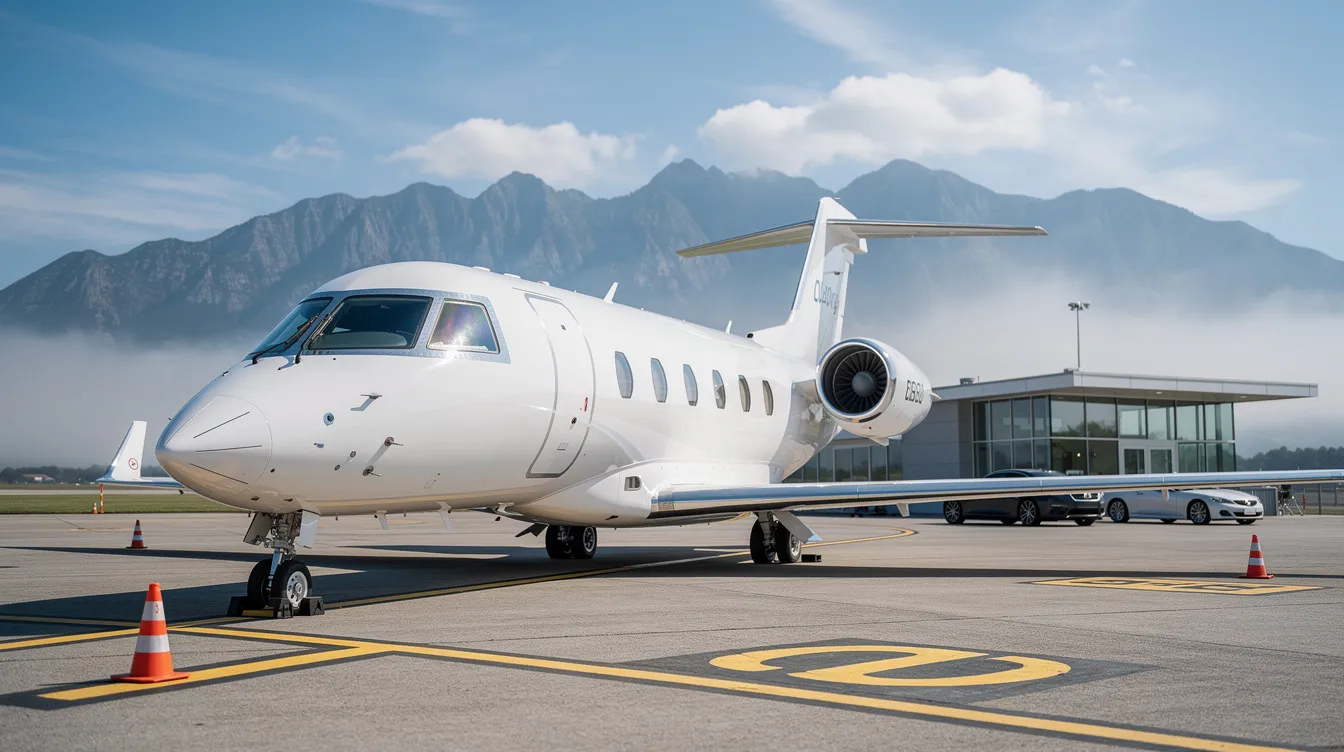
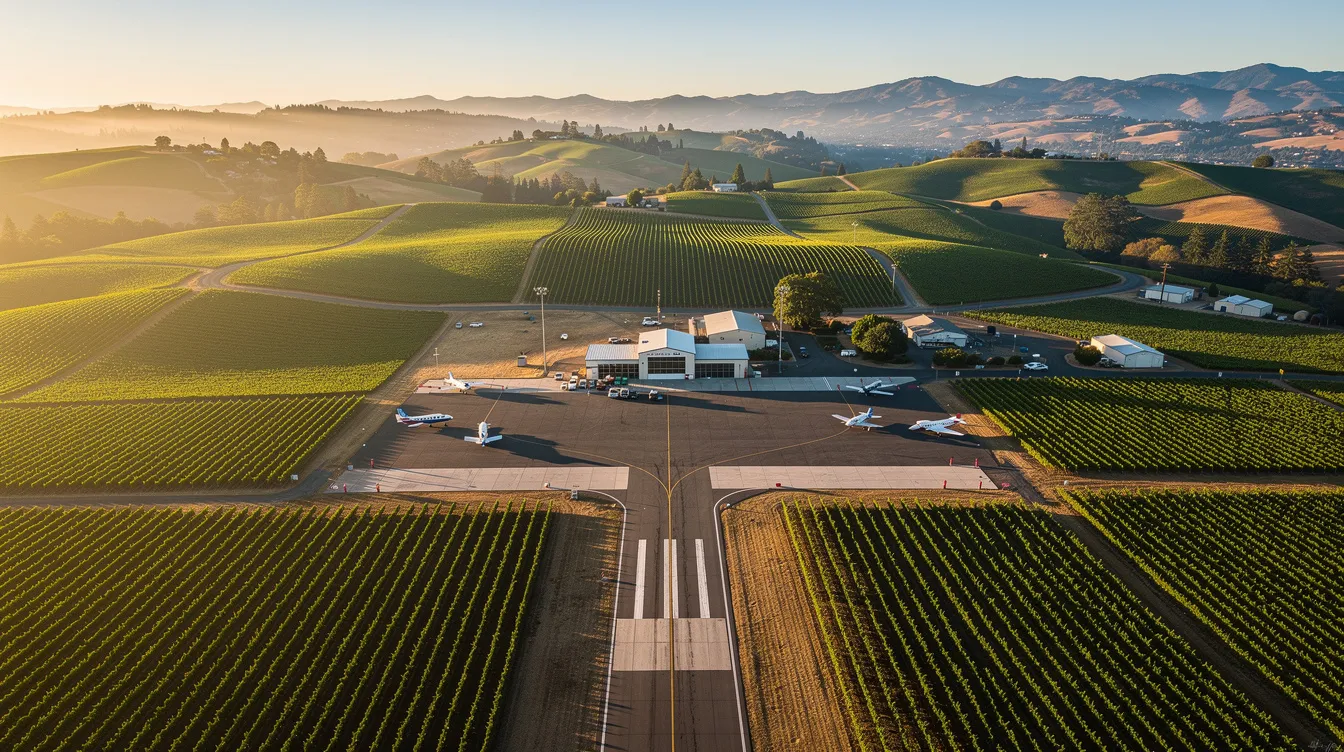
Private jet travel allows access to more than 200 general aviation airports in California, and airport selection is just as important as aircraft selection. Private jets can land at small airports closer to the final destination, cutting ground transportation time from an hour or more down to minutes. BlackJet clients typically choose between Southern California, the Bay Area, wine country, and mountain airports depending on whether the trip is corporate travel, leisure travel, or a combination.
Van Nuys Airport is a top choice for private jet travel in the Los Angeles area, serving Beverly Hills, the San Fernando Valley, and the broader entertainment capital of Southern California. Van Nuys handles aircraft from light jets to large-cabin Gulfstreams, offers sustainable aviation fuel blends at multiple FBOs (Fixed Base Operators), and is used by BlackJet clients for board meetings, production schedules, and entertainment travel. Santa Monica, nearby, has historically served private aviation, though with increasing restrictions.
Hollywood Burbank is ideal for media and studio travelers avoiding LAX, with easy ground access to Pasadena and Glendale. John Wayne Airport serves Orange County—Newport Beach, Irvine, and coastal resorts—as a primary private aviation gateway. For San Diego County, Montgomery-Gibbs Executive and McClellan-Palomar serve biotech and tech clients who need efficient access without navigating Lindbergh Field's commercial traffic.
San Francisco International handles larger and international private aircraft for trips to New York, Hawaii, and Europe. However, Oakland and San Jose are often preferred for private flights serving Silicon Valley and the East Bay, offering fewer delays, shorter taxi times, and faster ground access. Many travelers flying to the Bay Area choose these airports to shave 20–40 minutes off their ground time.
Napa County Airport serves wine country weekends and executive retreats, often paired with short hops from LA or Orange County. For ski season, Truckee Tahoe Airport provides direct access to Lake Tahoe without routing through Reno. Sacramento-area airports handle state government and lobbying trips. Northern California airports collectively give BlackJet clients flexibility to match each trip to the closest possible destination.
Selecting the right aircraft category depends on route distance, passenger count, luggage needs, and cabin preferences. Most business and family trips involve 4–10 passengers, shaping aircraft size decisions. BlackJet helps match the aircraft to the mission—a Palm Springs weekend requires a different solution than a cross-country investor roadshow. For a deeper comparison, see this guide on types of private jets and prices.
Turboprops like the Pilatus PC-12 and King Air 350 accommodate 4–8 passengers for short regional hops such as Los Angeles to Palm Springs or San Diego to Santa Barbara. Turboprop hourly rates start around $2,500 to $4,000, making them efficient for distances under 400 nautical miles.
Light jets such as the Citation CJ3 or Phenom 300 serve 4–8 passengers for West Coast travel—LA to Las Vegas, LA to San Francisco, San Diego to the Bay Area. Light jets cost approximately $3,500 to $6,000 per hour, with a range up to 1,800 nautical miles and speeds around 400–450 knots.
Midsize jets like the Citation Latitude and Challenger 350 carry 7–10 passengers on longer routes such as California to New York or Chicago, with stand-up cabins and increased baggage capacity. Midsize jets range from $5,000 to $8,000 per hour. Super midsize jets start at $7,000 and can go up to $11,000, offering even greater range and cabin space for cross-country missions.
Large cabin aircraft and heavy jets—Gulfstream G450/G550, Global 6000—accommodate 10–16+ passengers for international flights, including California to Hawaii or Europe. Large-cabin aircraft typically start around $10,000 per hour. Helicopters are used for short transfers between city centers when time demands it.
BlackJet's Equity and Reserve Fleet models can be structured around the aircraft category clients use most often, with interchange options when missions require a different size; a clear grasp of essential fractional jet ownership terms helps clients understand how those structures translate into real-world hours and costs.
California private airlines serve three route categories: short in-state hops, regional West Coast flights, and national or international missions. BlackJet optimizes routes based on airport access, schedule density, and whether trips are single-leg or multi-leg. Seasonal peaks—ski season at Tahoe and Aspen, award season in Los Angeles, major sports events and holiday weekends in Las Vegas—affect demand, aircraft availability, and planning on peak dates.
Common in-state routes include Van Nuys to San Francisco, Burbank to Oakland, Orange County to Napa, LA to Palm Springs, San Diego to San Jose, and LA to Truckee Tahoe. Los Angeles to San Francisco runs about 1 hour 15 minutes on a light jet or midsize. LA to Palm Springs takes roughly 35–40 minutes. Orange County to Napa is popular for wine-country trips and executive retreats.
Typical clients on these routes include founders heading to board meetings in Silicon Valley, entertainment executives shuttling between studios and events, and family offices visiting portfolio companies or vacation homes. Private airlines offer direct flights to regional airports, eliminating connections. Fractional ownership hours or Reserve Fleet access cover both business travel and leisure trips without separate contracts.
Popular regional routes include Los Angeles to Las Vegas, LA to Aspen, Bay Area to Jackson Hole, and Orange County to Scottsdale. Nationally, LA to New York, San Francisco to Miami, and California to Hawaii rank among the most frequent. For international missions, large jets depart from SFO, LAX, or Van Nuys.
BlackJet plans same-day turnarounds and multi-city business itineraries—for example, Los Angeles to Dallas to Chicago and back in two days. Aircraft category upgrades to super midsize jets or large jets are often recommended for longer routes or larger groups.
Private aviation in California is served by on-demand charter companies and FBOs (Fixed Base Operators, which provide ground services for private aviation). Three access models dominate California private airlines: fractional jet ownership, jet cards and membership programs, and on-demand charter. Frequent travelers flying 25–150 hours per year often find that structured access through fractional aircraft ownership or membership delivers better cost predictability, guaranteed aircraft availability, and scheduling priority than booking private charter flight-by-flight; comparing fractional ownership vs membership programs helps clarify which path fits a given travel profile.
Comparison Table: Access Models for Private Aviation in California
Feature | Fractional Ownership | Jet Cards | On-Demand Charter |
|---|---|---|---|
Ownership | Equity stake in aircraft | No equity commitment | No equity commitment |
Access | Guaranteed hours, predictable rates, scheduling priority | Prepaid blocks of hours, fixed or capped rates | Maximum flexibility per trip |
Cost Predictability | High (fixed hourly rates, potential tax benefits) | Moderate (fixed/capped rates, some surcharges) | Low (variable pricing, subject to market demand) |
Commitment | Multi-year contract | Annual or hourly block purchase | None |
Best For | 50–150 hours/year, consistent travel patterns | 10–50 hours/year, occasional travelers | Infrequent or last-minute travelers |
Tax Benefits | Possible (depreciation, etc.) | None | None |
For travelers flying 50–150 hours per year, fractional jet ownership often becomes more cost-effective than repeated charter or jet cards, especially when you model the total cost of fractional jet ownership across several years. Industry data shows the break-even threshold for midsize aircraft falls around 70–100 hours annually, where fractional beats charter on per-hour cost.
Consider a Silicon Valley CEO flying San Jose to Los Angeles twice monthly (24 flights, ~36 hours) plus quarterly Bay Area to New York trips (~28 hours). At roughly 64 annual hours, a fractional share in a midsize jet provides guaranteed access, predictable hourly rates, and potential U.S. tax advantages such as depreciation; understanding the tax implications for fractional jet owners is critical to capturing those benefits. Fractional jet ownership provides customized aircraft management services for owners, meaning BlackJet handles crew, maintenance requirements, and scheduling so the aircraft owner focuses on business, not operations.
Private jets accommodate personalized services such as tailored catering, preferred cabin configurations, and the ability to bring pets—all standardized within a fractional program. For a detailed breakdown of costs, see this guide to fractional jet ownership costs, and review how fractional jet ownership financing can spread the upfront investment while preserving access and flexibility.
Jet cards work well for occasional travelers flying 10–50 hours per year who want fixed or capped rates without equity commitment. BlackJet-style membership access differs from standard broker-based jet cards by offering curated operator networks, fewer surcharges, and consistent service standards. For a broader comparison, review these private jet card comparisons.
Typical use cases:
An entertainment executive shuttling between Burbank, Las Vegas, and Napa 30 hours per year
An Orange County family splitting hours between weekend leisure trips and school-break travel to Cabo
Jet cards also complement fractional ownership for overflow private jet services, larger groups, or one-off missions requiring a different aircraft category.
Empty leg flights are repositioning flights sold at a discount when a private aircraft needs to return to base or reposition for its next booking. California's busy routes generate frequent empty-leg flight opportunities, especially on corridors like LA to Las Vegas, LA to San Francisco, and San Diego to the Bay Area.
Key points about empty leg flights:
Empty leg flights can save 25% to 75% off standard pricing
Travelers can adjust departure times for empty leg flights within a window, though exact scheduling is less flexible than standard charter.
Empty leg flights are common on routes like LA to Las Vegas, where high volume creates regular repositioning needs.
Trade-offs include less control over aircraft type, routing, and timing
A structured program like BlackJet still applies safety audits and service standards to empty leg bookings
Many travelers use empty legs opportunistically for leisure trips, client entertainment, or last-minute getaways while maintaining their fractional or membership program for core private travel needs, and later may consider selling a fractional jet ownership share if their travel patterns change.
Private jet charter prices rose nearly 20% from 2020 to 2022, and rates have remained elevated. Current hourly cost ranges by aircraft category for flights touching California:
Turboprops: $2,500–$4,000 per hour
Light jets: $3,500–$6,000 per hour
Midsize jets: $5,000–$8,000 per hour
Super midsize jets: $7,000–$11,000 per hour
Large cabin aircraft: $10,000+ per hour
Key cost drivers include aircraft category, trip distance, peak vs. off-peak dates (Coachella, CES, award season), airport fees, and repositioning requirements. A one-way private jet charter from LA to Las Vegas on a light jet typically runs $11,000–$15,000, while LA to San Francisco on a midsize jet falls in a similar range according to route-specific data.
Structured options like fractional ownership or jet cards offer more cost consistency than on-demand charter, where pricing can spike on holiday weekends and peak dates; programs built around floating fleet options in fractional ownership can further optimize utilization and reduce repositioning costs on busy California routes. For business travelers and corporations, budgeting advantages make the most sense when annual hours are predictable.
FAA Part 135 certification is essential for charter operators and the baseline requirement for any California private airline operation carrying passengers for hire. Beyond this, third-party safety ratings such as ARGUS Platinum and Wyvern Wingman provide independent verification of operator standards.
BlackJet evaluates operators against recognized safety audit standards, reviewing pilot experience, maintenance practices, and operational control. Private airlines must adhere to crew duty limits and maintenance requirements established by the FAA, and safety oversight includes operational control and maintenance practices that go beyond minimum regulatory compliance, all of which should be reflected clearly in fractional ownership contract terms.
Clients should verify these items with any provider:
Current FAA Part 135 certificate
Third-party audit rating (ARGUS, Wyvern, or IS-BAO)
Pilot recurrent training and minimum experience requirements
Weather and duty-time management protocols
Robust dispatch and flight-following support
For more on what to look for, read this overview of the safest private jet standards.
California-based travelers increasingly prioritize ESG goals in private aviation. Sustainable aviation fuel is now available at key FBOs in Van Nuys, Oakland, and San Jose, with providers like Jet Aviation and Signature Aviation offering blended SAF on a permanent basis. Sustainable aviation practices are expanding across the state, supported by California's Low Carbon Fuel Standard incentives.
BlackJet can support carbon-conscious flying through SAF sourcing for California departures, verified carbon offset partnerships, and operator selection that favors sustainability-certified FBOs. Family offices and corporations increasingly integrate flight emissions data into broader sustainability reporting, making transparent tracking a practical requirement rather than a marketing gesture.
Modern private airlines in California combine digital tools—real-time quoting, aircraft category transparency, live flight tracking—with a dedicated team of human aviation experts who manage flight details, schedule changes, and special requests. When meetings shift, a quick call or message adjusts the itinerary without rebooking penalties typical of commercial flights.
BlackJet integrates technology with personalized service to coordinate ground transportation, catering, and special requests, including pet travel, sports equipment, film gear, and medical needs. Private jets provide high-speed Wi-Fi and customizable catering, and the booking process surfaces all relevant details—aircraft size, passenger count, baggage capacity—so clients know exactly what to expect before confirming.
Different California-based clients structure their flying differently. The right model depends on annual hours, route patterns, and whether precious time savings or cost optimization drives the decision. BlackJet recommends Equity Fleet (fractional) or Reserve Fleet (membership-style access) based on each client's actual travel behavior across frequent California routes and longer national flights, and provides guidance informed by an aircraft fractional ownership sample contract so clients know how rights and responsibilities are allocated.

Bay Area founder: Flies San Jose to Los Angeles twice per month plus quarterly cross-country trips to New York and Boston. At roughly 65 annual hours, fractional ownership in a midsize jet delivers predictability, guaranteed scheduling, and potential tax benefits through depreciation—a structure that makes the most sense for consistent corporate travel patterns.
Southern California entertainment executive: Commutes between Burbank, Las Vegas, and Napa roughly 35 hours per year. A Reserve Fleet membership provides flexible, pay-as-you-go hours without equity commitment, covering everything from award-season shuttles to wine country retreats and leisure trips without long-term obligations.
Orange County family office: Splits hours between SNA to San Francisco business trips and weekend leisure to Lake Tahoe, Palm Springs, and Cabo San Lucas. With two generations of travelers and varying passenger count needs, a hybrid approach—fractional share in a light jet plus Reserve Fleet access for larger groups—covers both use cases efficiently.
San Diego biotech leader: Regularly travels to Bay Area labs and East Coast investors, leveraging guaranteed access to Wi-Fi-equipped midsize jets. Consistent aircraft availability and cabin configuration matter for preparing investor presentations in flight, and fractional ownership eliminates the uncertainty of last-minute charter searches.
At most California FBOs, domestic private flights require arrival just 10–20 minutes before departure. Private terminals eliminate the check-in and security processes that add hours to commercial travel.
Most BlackJet-operated flights accommodate pets in the cabin. Documentation requirements vary by operator, and cleaning fees may apply. BlackJet pre-clears pet-friendly operators so clients can bring pets without last-minute surprises.
Private aircraft handle golf clubs, skis, film equipment, and oversized luggage far more easily than commercial flights. However, cabin and baggage-door limitations vary by aircraft type—a turboprop has different capacity than a large cabin aircraft—so confirming flight details with your advisor matters.
Private jets provide high-speed Wi-Fi on most midsize jets and larger aircraft. Customizable catering, including special dietary requests, is standard on routes like Los Angeles to Las Vegas or LA to San Francisco. California offers a wide range of local catering options through FBO partnerships.
Major sports events, holiday weekends, award season, and festivals like Coachella drive higher demand and pricing. Fractional owners and members generally receive priority scheduling on peak dates compared to on-demand charter clients.
Private airlines in California create strategic advantages for both business and leisure travelers by compressing travel time, increasing schedule control, and providing access to airports that commercial flights simply do not serve. For many travelers flying 25–150 hours per year, structured access through fractional jet ownership or a Reserve Fleet membership with BlackJet is more predictable and cost-efficient than piecing together ad-hoc private jet charter bookings throughout the year.
The first step is straightforward. Review your last 12–24 months of travel—routes flown, hours accumulated, pain points experienced—and assess whether a fractional share or Reserve Fleet access would improve both cost and reliability. Most clients discover that the combination of guaranteed aircraft availability, consistent service, and elimination of per-trip negotiations transforms private aviation from an occasional luxury into a reliable operational tool.
Ready to explore the smarter way to fly private? Visit FractionalJetOwnership.com to schedule a consultation and discover how BlackJet Fractional Jet Ownership options can be tailored to your California and nationwide travel needs.
