July 11, 2026
Whether the goal is weekend getaways, regional business travel, or earning a pilot certificate, a small plane remains one of the most versatile tools in private aviation. This guide breaks down what small airplanes actually cost in 2026, which models deserve attention, and when structured access through fractional programs makes more sense than writing a check for the whole aircraft.
This guide is designed for prospective aircraft owners, pilots, and business travelers considering private aviation options. Understanding the true costs, available models, and smarter access strategies is essential for making informed decisions in 2026's evolving aviation landscape.
In 2026, a small plane purchase spans a remarkably wide price band. A good-quality used Cessna 150 costs around $30,000, while a used Cessna 172 in solid aircraft condition typically trades between $70,000 and $250,000. Step up to a new high-performance single-engine aircraft like the Cirrus SR22T and the initial purchase price climbs to roughly $900,000–$1.1 million fully equipped. For a next-generation turboprop such as the Pilatus PC-12 NGX, expect a purchase price north of $5 million new.
Sticker price is only the beginning. Average annual costs for owning a small plane are about $30,000 when flying a single engine piston aircraft roughly 100 hours per year. That figure covers hangar space, insurance, fuel, annual inspections, and routine maintenance. Turbine aircraft owners can easily spend $150,000 or more annually. Fuel costs for small planes can reach $2,500 to $5,000 annually for piston singles, and climb steeply for turboprops.
For travelers logging 25–150 flight hours per year, programs like BlackJet Fractional Jet Ownership often beat full ownership on both cost and flexibility, especially once you understand core fractional jet ownership terms and concepts. There is no capital outlay, no surprise maintenance bill, and no hangar lease to manage.
Small planes are defined by the FAA as having a maximum takeoff weight of 12,500 lbs or less. This classification covers everything from basic trainers used for pilot training to pressurized turboprops and very light jets used for executive travel. The rest of this article walks through aircraft types, real ownership costs, and smarter access strategies - with specific numbers for 2026.
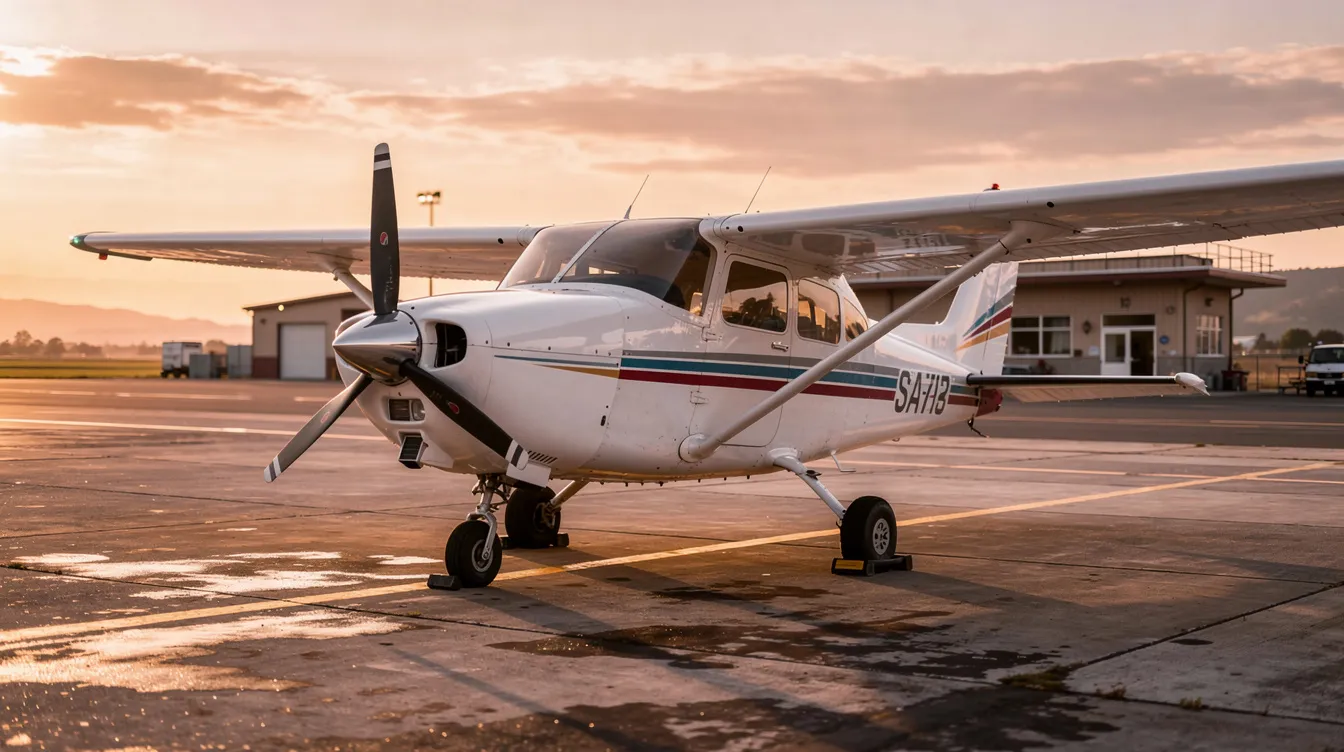
Under 14 CFR Part 1, a small aircraft is any airplane with a maximum certificated takeoff weight of 12,500 lbs or less. The term light aircraft is often used interchangeably in general aviation circles. Most single-engine aircraft flown by private pilots fit comfortably within this category. Small planes are categorized by engine type and performance, creating distinct classes for different missions.
Basic trainers: Cessna 152, Cessna 172 Skyhawk, Piper Archer. Designed for pilot training, personal aircraft use, and building flight hours. Simple, forgiving, and affordable.
High-performance single-engine planes: Cirrus SR22T, Beechcraft Bonanza G36. Greater speed, retractable gear, or turbocharged engines, and modern avionics for cross-country travel.
Small turboprops: Pilatus PC-12 NGX, Daher TBM 960. Turboprop aircraft offer higher performance than piston aircraft and can operate from shorter runways - ideal for rural airports and regional business missions.
Very light jets: Cirrus Vision Jet, HondaJet Elite II. Very light jets are designed for efficiency and are used for single-pilot operations or with professional crews.
Typical uses for small planes include flight training and personal travel, though light aircraft can be used for aerial surveying and utility operations as well. While BlackJet Fractional Jet Ownership focuses on light jets and turboprops, understanding the full small airplane spectrum helps most buyers decide whether to own a piston aircraft and supplement with a fractional or jet card solution or compare fractional jet ownership vs membership programs.
This is not an exhaustive database - it is a curated look at popular, proven models actually flying and selling in 2026. Here are representative aircraft across the spectrum:
Cessna 172 Skyhawk: The Cessna 172 Skyhawk is the world's most-produced aircraft. Cruise ~125 KTAS, range ~640 nm, 4 seats. Used: $70,000–$250,000. The default choice for training and weekend personal flying. Textron Aviation continues to deliver new units.
Diamond DA40 NG: Diamond DA40 NG burns approximately 5–6 gallons per hour on Jet-A diesel, making it one of the most fuel efficient trainers available. Cruise ~150 KTAS, range ~720 nm, 4 seats. New: ~$500,000+.
Cirrus SR22T: Cirrus SR22T has over 8,000 units delivered since 2003. Cruise ~215 KTAS, maximum range ~1,100 nm, 5 seats. New: $900,000–$1.1 million. Cirrus aircraft remain a top pick among owner-pilots who value the cirrus airframe parachute system.
Cessna 206 Turbo Stationair HD: Cessna 206 Turbo Stationair HD seats six and has high payload capacity plus cargo capability. Cruise ~155 KTAS, range ~700 nm. A workhorse for backcountry and utility operations.
Pilatus PC-12 NGX: Pilatus PC-12 NGX cruises at speeds of 260–330 KTAS with a range up to ~1,800 nm and seating for up to 10 passengers. New: $4.4–$5.5 million. Large cargo door, pressurized comfort, and short-field capability.
Daher TBM 960: Max cruise ~330 KTAS, range ~1,730 nm, 6 seats. List price ~$4.78 million. Efficient performance and FADEC engine management for experienced owner-pilots.
Cirrus Vision Jet: Single engine jet, cruise ~305 KTAS, range ~1,200 nm, 5–7 seats. New: ~$3.5 million. Single seat cockpit design with autoland.
HondaJet Elite II: Cruise ~422 KTAS, range ~1,547 nm, 5–6 passengers. New: ~$6.5 million. Light jets are frequently utilized for quicker regional trips and executive travel.
Many turboprops and light jets on this list are available through BlackJet's partner fleet as part of Reserve Fleet and Equity Fleet offerings.
A flight training process typically includes ground school and flying lessons, beginning with a discovery flight and progressing toward a Private Pilot Certificate. Most students train in single-engine planes like the Cessna 172 or Piper PA-28. Pilots must meet basic eligibility requirements for a Private Pilot Certificate, including age, language proficiency, and medical fitness. A Private Pilot License (PPL) involves training, passing exams, and meeting medical standards.
Pilot training for a private license costs between $10,000 and $20,000 in 2026, covering 40–70+ flight hours, ground school, written and practical exams, and aircraft rental. An instrument rating adds $8,000–$12,000. Multi engine planes and commercial ratings push costs higher still. Most working professionals complete a PPL in 4–12 months. Training in glass-cockpit aircraft like the Diamond DA40 NG smooths the transition into next generation avionics found in high-performance and turbine aircraft.
Private Pilot Certificate holders can fly single-engine airplanes for personal travel and recreation. Training hours directly influence insurance premiums - insurers prefer recent, recurrent training, especially for pilots stepping into high-performance or cirrus aircraft. The pilots association (AOPA) recommends ongoing proficiency training at every experience level.
Many BlackJet clients maintain a personal small airplane for leisure or training while relying on BlackJet's fleet for business trips demanding longer range, more passengers, or turbine reliability.
Ownership costs extend well beyond the sticker price. Aircraft ownership includes depreciation, financing, hangar or tiedown fees, maintenance, inspection costs, fuel, and insurance, and many buyers also evaluate fractional jet ownership financing options and structures. Here is what a typical single-engine piston aircraft flown ~100 hours per year costs in the United States in 2026:
Hangar storage: Hangar storage costs average $250 per month at urban airports, or $3,000–$8,000 annually depending on region. Storage costs at premium locations run even higher.
Insurance: $1,200–$4,000 for most piston singles (more on this below).
Fuel: With avgas averaging ~$7.00/gallon and a fuel burn of ~8 gallons/hour, fuel costs for small planes can reach $2,500 to $5,000 annually at moderate utilization.
Maintenance and inspections: Annual maintenance costs average between $1,000 and $3,000 for routine work. Maintenance costs can range from 10 to 45 percent of yearly expenses depending on aircraft age and complexity.
Subscriptions and incidentals: Charts, avionics databases, tiedown accessories - $500–$2,000.
Interest rates for small plane loans depend on credit scores and usage, adding financing cost on top. Total ownership costs for a piston single-engine aircraft often land in the $15,000–$40,000+ per year range. For turbine aircraft like a PC-12 NGX, annual costs can easily exceed $150,000.
Low annual hours make the per-flight-hour cost painfully high - a dynamic where fractional jet ownership or Reserve Fleet access is more economical for travelers flying 25–150 hours per year.
Every small airplane operating under Part 91 requires a mandatory annual inspection. Aircraft used in rental or instruction must also undergo 100-hour inspections. These are non-negotiable FAA certification requirements that directly affect safety.
Annual inspections for small planes range from $750 to $2,000 in labor for common piston singles, plus parts. Specialized planes may incur higher inspection costs than standard models, particularly complex or high-performance aircraft. Turboprop phase inspections cost many thousands per cycle.
Oil changes for small planes occur every four months or 50 hours - whichever comes first.
Tires, brakes, and brake pads are routine replacement items. Avionics database subscriptions and compliance with airworthiness directives (ADs) may require unexpected upgrades at any point in the ownership cycle.
Engine overhaul intervals for piston engines run 1,800–2,200 hours TBO; turboprops like the PT6 in the PC-12 NGX can reach ~5,000 hours. Overhaul costs range from tens of thousands for pistons to six-figure sums for turbines.
When flying via professionally managed fleets in fractional or membership programs, all scheduling, funding, and compliance are handled by the operator - eliminating the owner's burden entirely.
Aircraft insurance costs range from $500 to several thousand dollars annually, depending on aircraft type, pilot qualifications, and intended usage. Coverage typically includes two primary components:
Hull insurance covers physical damage to the airplane - whether on the ground or in flight.
Liability insurance protects against third-party claims for bodily injury or property damage.
In 2026, expect premiums of ~$800–$2,000 annually for a basic trainer like an older Cessna 172 with a properly trained pilot. High-performance single engine aircraft such as the Cirrus SR22T or Piper M350 run $3,000–$8,000+, especially for owners with limited flight hours in type. Insurance premiums depend on aircraft age, hours, and storage type, along with claims history and base airport.
Advanced safety features can lower insurance rates over time. The cirrus airframe parachute system (CAPS), envelope protection, and autoland technology positively influence insurability - though premium reductions are not always immediate.
For clients using BlackJet, insurance, crew qualifications, and regulatory compliance are managed by vetted operators meeting ARGUS, Wyvern, or IS-BAO standards - removing the complexity entirely and contrasting with the liability and insurance considerations in fractional jet ownership.
There are three broad paths to the skies: full aircraft ownership, hourly rental or flying clubs, and structured access programs like fractional jet ownership, jet cards, and membership programs.
Full ownership suits aircraft owners flying 200–300+ hours per year who want total control, schedule flexibility, and are comfortable managing hangar space, crews, and maintenance.
Rental and flying clubs work for low-time recreational pilots building hours - minimal fixed costs, but limited availability and rarely access to turbine aircraft or other aircraft beyond basic trainers.
Fractional and jet card programs serve travelers flying 25–150 hours per year who need turbine reliability, professional crews, and cabin productivity for business and family travel.
Fractional aircraft ownership means buying an equity share in a jet or turboprop, receiving a set number of flight hours annually, and sharing fixed costs with other aircraft owners; for instance, 1/8 fractional jet ownership structures commonly provide around 100 hours per year. Under FAA regulations (14 CFR Part 91 Subpart K), minimum share sizes and program management standards ensure safety and transparency, but it is equally important to understand essential fractional jet ownership contract terms. Business users in the United States may also leverage bonus depreciation or Section 179 for qualifying aircraft, alongside specialized tax considerations for fractional jet owners.
BlackJet offers two models: Equity Fleet (fractional ownership with priority access, custom aircraft sourcing, and tax-optimized structures) and Reserve Fleet (pay-as-you-go hours with guaranteed access, without owning the aircraft), reflecting many of the benefits and tradeoffs of fractional jet ownership as an investment. Both eliminate the unpredictability of managing a personal fleet. For a deeper comparison, see Private Jet Ownership vs Leasing: The 400-Hour Rule Explained.
Choosing the right aircraft starts with real trips - actual distances, passenger counts, and runway access - rather than headline performance numbers. Your flying style and mission requirements should drive every decision.
250–300 nm weekend leisure trip (Los Angeles to Napa, Miami to Key West): An owner-pilot can fly a Cessna 172 or Cirrus SR22 comfortably. Non-pilots or those wanting pressurized comfort can access a Vision Jet or Phenom 100EV via a jet card program. High-performance aircraft offer superior speed and range for personal or business cross-country flights at this distance.
600–800 nm executive day trip (New York to Nashville, Chicago to Dallas): A TBM 960 or PC-12 NGX suits experienced owner-pilots. A HondaJet Elite II or Citation M2 Gen2 accessed through BlackJet provides a ready-to-work cabin with professional crews - and no need for a single seat cockpit rating.
1,200 nm non-stop business route (Los Angeles to Austin, Toronto to Houston): A PC-12 NGX or light jet through a fractional program optimizes time and cost versus owning a turbine outright, particularly when leveraging floating fleet options in fractional ownership. Runway performance matters here - a PC-12 NGX can use 3,000 ft strips at rural airports close to factories or client sites, bypassing crowded hubs.
Many BlackJet clients keep a smaller single-engine aircraft for local flying while using BlackJet's fleet for longer or multi-city days where schedule certainty and productivity matter most. The aircraft offers flexibility that no single airplane can match alone - sometimes the answer is two aircraft solutions working together.
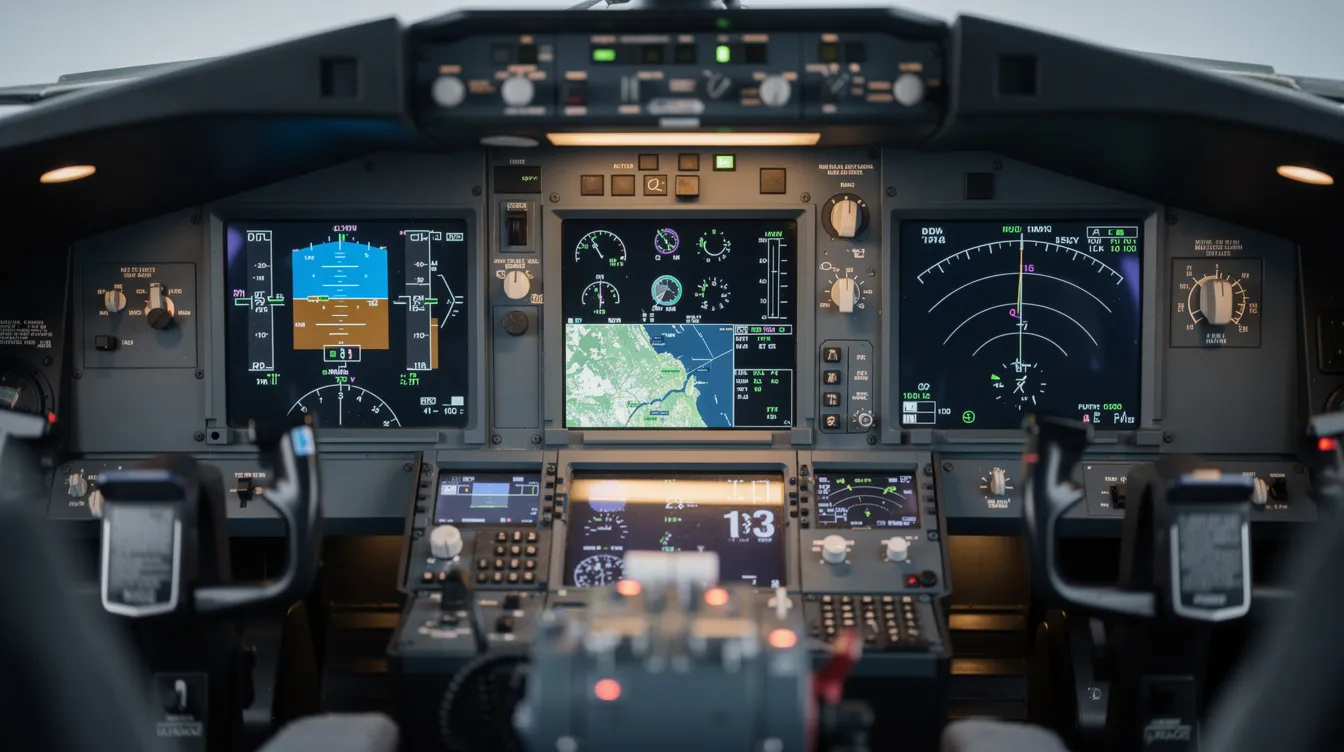
Modern small airplanes now feature technology once limited to airliners: glass cockpit displays, synthetic vision, datalink weather, and sophisticated autopilots. Modern avionics have fundamentally changed the flying experience for owner-pilots and professional crews alike.
Safety technology: Whole-airframe parachutes in Cirrus aircraft and the Vision Jet have saved over 100 lives to date. Garmin Safe Return and HomeSafe autoland are available in select turboprops and light jets. Envelope protection and terrain awareness add further layers of ground-proximity and stall protection.
Sustainability trends: More fuel efficient Jet-A diesel engines (Diamond DA40 NG, DA50 RG) reduce fuel burn and emissions. Sustainable aviation fuel (SAF) is increasingly available at major business aviation airports. High-utilization fleets reduce per-seat emissions compared to underused personal aircraft.
BlackJet supports carbon-neutral flight options and SAF utilization where available, favoring efficient single-engine turboprops for regional missions over larger, less efficient jets. Next-generation small airplanes are tools for safer, more efficient, and more responsible private aviation - not simply icons of luxury.
Many prospective buyers discover that they do not actually need to own a small airplane once they honestly quantify their intended usage, annual hours, and tolerance for the factors that make owning an aircraft complex.
Ask yourself:
How many hours per year will I actually fly - not aspire to fly?
What are my typical trip distances and passenger counts?
Do I want to fly myself (owner-pilot) or travel as a passenger with professional crews?
Can I absorb fixed costs - hangar leases, inspection costs, insurance - even in months I do not fly?
Do I need turbine reliability for weather, altitude, or schedule certainty?
Are there legitimate tax or business reasons to place an aircraft in service (bonus depreciation, Section 179)?
Am I prepared to manage crew scheduling, regulatory compliance, and upgrade cycles?
Owning and operating a small aircraft means handling everything from hangar leases to engine overhaul reserves. An aircraft's condition, age, and class all influence the ongoing financial commitment, and co-ownership structures rely on well-drafted aircraft fractional ownership contracts to allocate those responsibilities. Many executives find an optimal mix in combining fractional jet ownership or a Reserve Fleet membership with a personal trainer or high-performance single-engine aircraft for leisure flying - letting each tool serve the mission it does best, often after reviewing top fractional jet ownership programs and providers.
There is no single "best" small airplane - only the best match for a traveler's missions, budget, and desired flying experience, whether that is a Cessna 172 for pilot training, a Cirrus SR22T for personal flying, or a PC-12 NGX or HondaJet Elite II for executive trips.
Ownership costs - purchase price plus ongoing expenses - must be weighed against flexible access models like fractional jet ownership, reserve fleets, and jet card programs, especially for those flying 25–150 hours per year.
Review your last 12–24 months of travel. Note your city pairs, passenger counts, and schedule constraints. Those data points will tell you whether owning or accessing is the smarter path to the skies.
Ready to find the most efficient mix of aircraft ownership, fractional shares, and Reserve Fleet access for your specific travel profile? Visit FractionalJetOwnership.com for a personalized consultation with BlackJet's aviation advisors.
