August 23, 2026
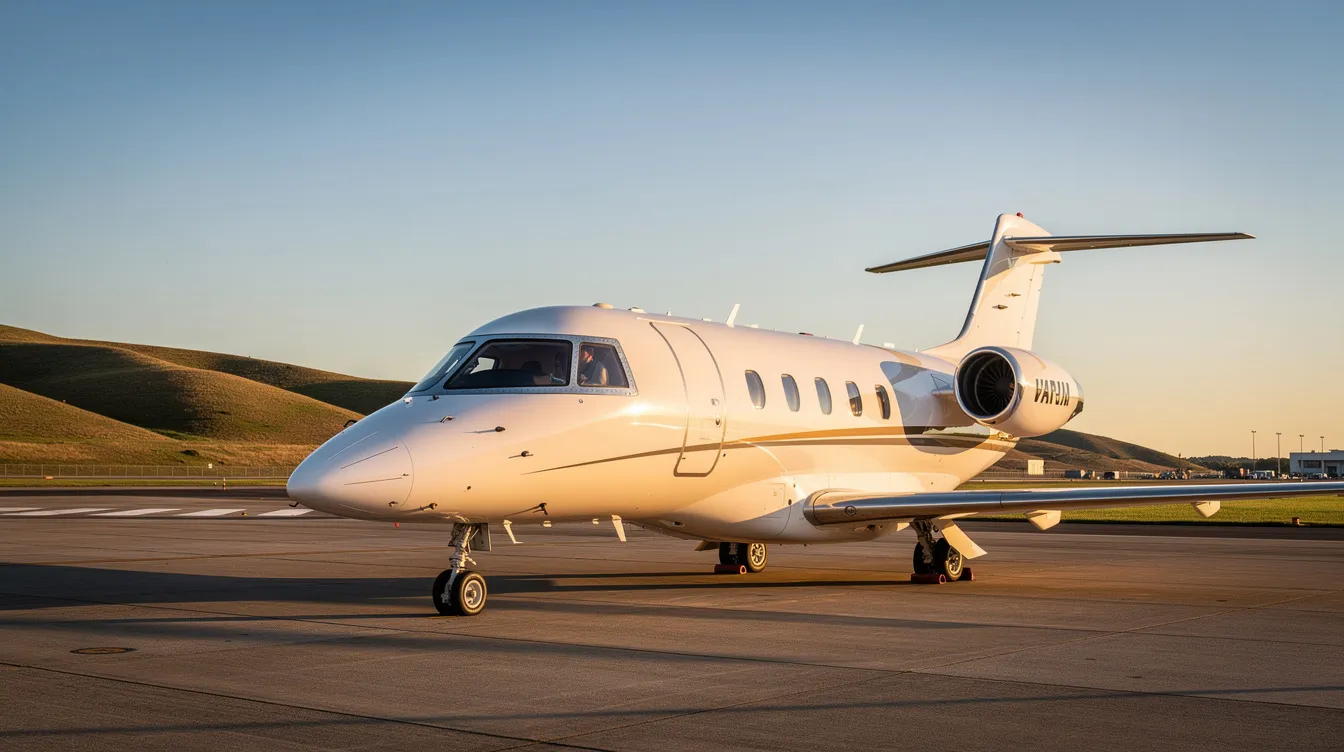
Choosing the best small jet aircraft in 2026 depends on your mission, but the standout options are clear: the Cirrus Vision Jet G3 for accessibility and safety, the Embraer Phenom 100EV and 300E as leading very light and light jets, the HondaJet Elite II for quiet efficiency, the Cessna Citation M2 Gen2 for proven reliability, and the Pilatus PC-24 for short-runway versatility. Choosing the right aircraft comes down to matching specific performance numbers to actual trips.
For executives, business owners, and frequent travelers flying roughly 25 to 150 hours per year, the aircraft market now includes more capable very light jets and light jets than ever, each with distinct strengths in cruise speed, maximum range, runway access, cabin comfort, and operating economics. This guide breaks down the top models, compares them against turboprops and high-performance piston aircraft, and explains how fractional ownership and membership programs can deliver more predictable, cost-effective, and often tax-efficient access than buying outright.
Getting this decision right directly affects travel time, trip flexibility, comfort, and total cost, especially when your goal is to match the aircraft—and the access model—to the way you actually fly.
For executives and business owners asking "what are the best small jet aircraft right now?", the answer depends on the mission profile. Here are the standout models and the data points that matter most:
Cirrus Vision Jet G3
Most accessible personal jet, bridging high-performance piston aircraft like the Cirrus SR22T and traditional small jets
Cruise speed: ~317 KTAS
Range: ~1,200 nm
Safety: Cirrus Airframe Parachute System and Safe Return autoland
Embraer Phenom 100EV
Entry-level business jet
Cruise speed: ~406 KTAS
Maximum range: ~1,200 nm
Seats up to six passengers in a pressurized cabin with modern avionics
Embraer Phenom 300E
Benchmark light jet
Top speed: Mach 0.8 (~464 KTAS)
Range: ~2,010 nm
Most popular personal aircraft in its class for corporate flight departments
HondaJet Elite II
Quiet, efficient, very light jet
Maximum cruise speed: 422 KTAS
Maximum range: 1,500+ nm
First production VLJ with FAA-certified autothrottle
Cessna Citation M2 Gen2
Reliable light jet from Textron Aviation
Cruise speed: 404 KTAS
Range: 1,550 nm
Room for up to 8 passengers
Pilatus PC-24
"Super Versatile Jet" that can land on unpaved runways
Light jet speed (~425 KTAS) with turboprop-like field flexibility
Beechcraft Premier I/IA
Value pick on the used market
Cruise speed: 430+ KTAS
Wide composite fuselage
Performance Summary:
Light jets: 400 to 450 knots cruise
Very light jets: 300 to 340 knots cruise
Maximum range: 1,000 to 2,000 nm (depending on type)
Passenger capacity: 4 to 9 seats
Ownership Recommendation:
For most executives flying 25 to 150 hours per year, fractional jet ownership or a structured membership through a provider like BlackJet Fractional Jet Ownership is more cost-efficient than full personal aircraft ownership.
The "best" jet aircraft is defined by mission profile, including range needed, runway length available, passenger count, and budget—not by headline speed numbers alone.
Small jets are defined by efficiency and single-pilot capabilities. The small jet market includes Very Light Jets (VLJs) and Light Jets. VLJs are optimized for owner-operators and low operating costs, while light jets offer more range, speed, and cabin comfort.
Very Light Jets (VLJs): Carry 4 to 5 passengers at 300 to 400 KTAS with ranges around 1,100 to 1,300 nm.
Light Jets: Carry 6 to 9 passengers at 400 to 450 KTAS with ranges up to roughly 2,000 nm.
Comparison: Both differ from turboprops and piston aircraft; for example, the Cirrus SR22T cruises at roughly 213 KTAS but competes with VLJs on shorter missions under 600 nm due to lower operating costs.
Maximum cruise speed and long-range cruise speed
Maximum range under NBAA IFR reserves
Fuel efficiency at typical cruise altitudes
Useful load and runway performance (takeoff/landing distances)
Single-pilot operations certification
Cabin height and width
Seating layout (club vs. forward-facing), with better-equipped small jets offering more privacy and comfort than business class on commercial flights
Enclosed lavatory availability
Wi-Fi connectivity
Baggage capacity for golf bags or ski equipment
Cutting-edge avionics (Garmin G3000, Prodigy Touch flight decks, autothrottle, autoland)
Whole-airframe parachutes like CAPS on the Cirrus Vision Jet
Advanced safety features are a key focus in small jet design across both VLJ and light jet categories
Acquisition cost: $3 to $8 million for new VLJs; $8 to $12+ million for new light jets
Typical direct operating costs: $1,800 to $2,500 per flight hour (depending on aircraft type)
Private jets allow for flexible scheduling tailored to travelers' needs, eliminating security lines and layovers
Tip: BlackJet Fractional Jet Ownership helps clients match aircraft class to actual mission and budget instead of chasing headline speed. Understanding fractional jet ownership terminology and structure helps prospective owners compare options confidently.
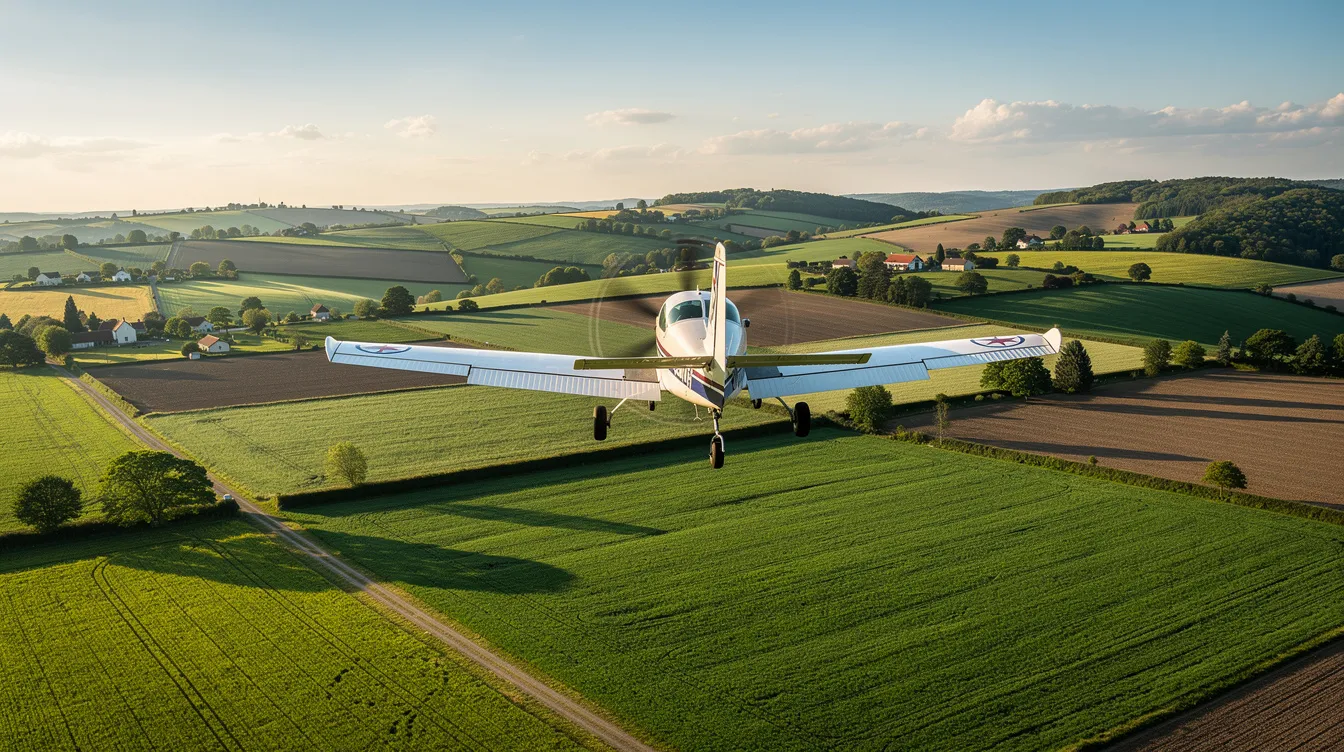
Small jets sit on a spectrum. At one end, high-performance piston aircraft like the Cirrus SR22T offer personal flying at a lower cost. Step up to the Cirrus Vision Jet, and you move toward VLJ territory, while the Texas Aircraft Colt represents a modern light sport aircraft and high-wing monoplane that can be an earlier step before moving into jets. That progression also reflects aviation history, as personal and recreational aircraft categories matured long before many pilots transitioned into small jets. At the other end, the Embraer Phenom 300E competes with the lower edge of midsize jets on speed and range. For a broader look at this spectrum, see this guide to the best small aircraft for personal and recreational flying.
Optimized for owner-operators and low operating costs
Cruise speed: 300 to 400 KTAS
Passengers: 4 to 5
Maximum range: 1,000 to 1,300 nm
Examples: Cirrus Vision Jet, Embraer Phenom 100EV, Eclipse 550
Balance of range, speed, and cabin comfort
Cruise speed: 400 to 450 KTAS
Passengers: 6 to 8
Maximum range: up to ~2,000 nm
Examples: HondaJet Elite II, Cessna Citation M2 Gen2, Embraer Phenom 300E, Pilatus PC-24
Common in small jet designs (Vision Jet, Phenom 300E, HondaJet Elite II, Citation M2 Gen2)
Reduces crew costs and increases scheduling flexibility
Quick takeoff from small airports, often under 3,500 feet at sea level
Turboprops like the Pilatus PC-12 NGX offer short-field and unpaved runway capability
Small jets trade this for faster cruising speed and higher operating altitudes
VLJ: Ideal for owner-pilots making short, premium personal trips of 300 to 800 nm
Light jet: Serves executive teams needing speed, weather capability, and cabin comfort across 800 to 1,500 nm legs
For a detailed breakdown of types of jet airplanes, BlackJet's resources cover each class in depth, and a separate guide highlights the best fractional jet ownership programs for smart investors evaluating access models alongside aircraft categories.
Single Williams FJ33-5A engine
Cruise speed: ~317 KTAS
Maximum range: ~1,200 nm under IFR reserves
Maximum operating altitude: 31,000 feet
Takeoff distance (50-foot obstacle): ~1,910 feet
Landing ground roll: ~1,622 feet
Seats 5 adults plus 2 small children
Panoramic windows and side-stick controls
Compact but well-designed for the passenger count
Limited baggage capacity for longer flights; best for 2 to 4 travelers with moderate luggage
Cirrus Airframe Parachute System
G3 variant adds Safe Return autoland
Safety systems appeal to families and first-time private aircraft users
Ideal for practical cross-country flights of 300 to 800 nm from secondary airports for owner-pilots or small business travelers
Example routes: New York to Charlotte, Dallas to Santa Fe
Suitable for owner-pilot or fractional program serving 2 to 4 passengers
Many clients experience the Cirrus Vision Jet via curated charter fleets or fractional aircraft ownership rather than outright purchase. BlackJet can incorporate this aircraft type into a blended fleet strategy for shorter regional routes.
Top speed: Mach 0.8 (~464 KTAS at high-speed cruise)
Long-range cruise speed: ~385 KTAS
Maximum range (5 occupants, NBAA IFR reserves): ~2,010 nm
Seating for 6 to 9 passengers
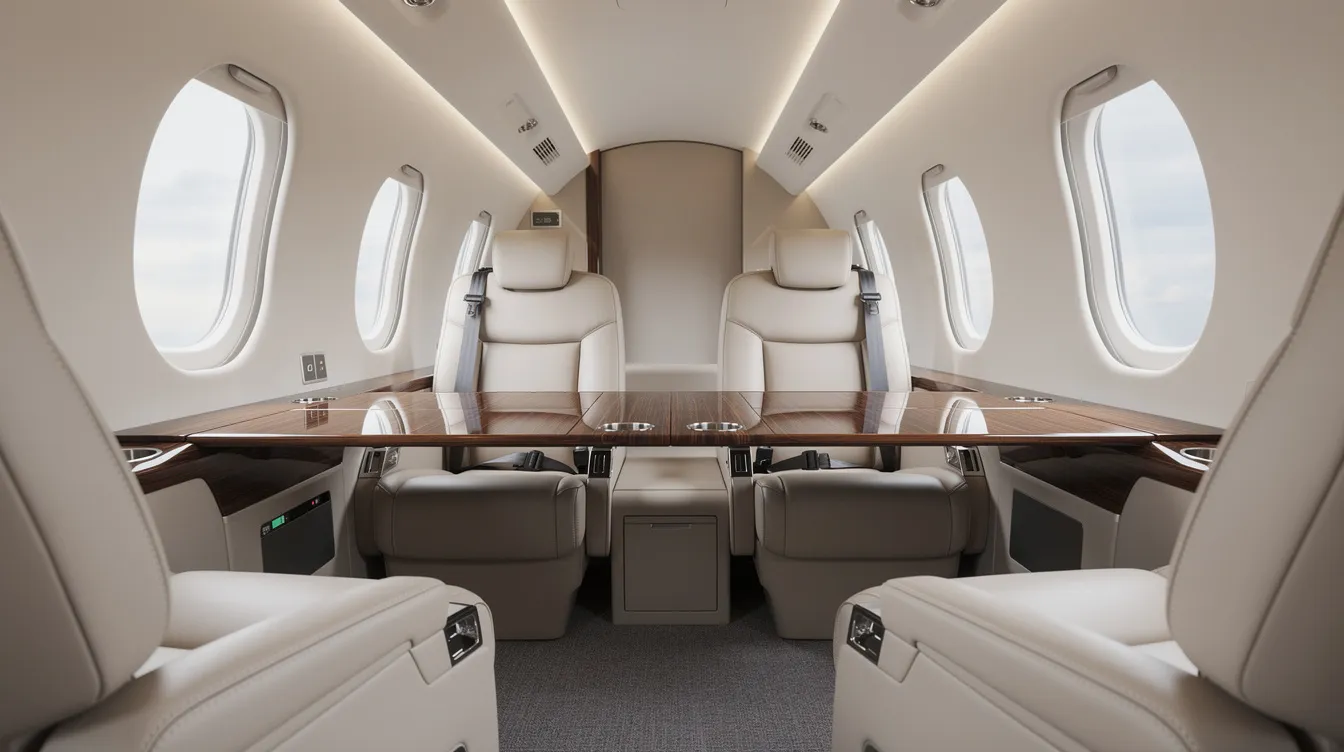
Flat-floor cabin with large windows
Enclosed lavatory
84 cubic feet of baggage capacity (enough for skis and golf bags)
Cabin cross-section among the widest in the light jet class
Prodigy Touch flight deck (Garmin G3000-based)
Synthetic vision, runway overrun awareness and alerting, optional autothrottle
Glass cockpits with advanced avionics
Typical nonstop missions: New York to Miami (~1,000 nm), Dallas to Chicago (~800 nm), Los Angeles to Denver (~700 nm)
Takeoff distance at sea level/MTOW: ~3,209 feet
Landing distance: ~2,212 feet
Fuel burn: ~189 gallons per hour at cruise
The Embraer Phenom 300E is a core aircraft in many fractional aircraft ownership and jet card programs. Through BlackJet's Equity Fleet model, clients can secure priority access to this type without the full capital commitment of sole ownership and later follow best practices for selling or transferring a fractional jet ownership share if their needs change.
Maximum cruise speed: ~422 KTAS at FL300
Maximum range: 1,547+ nm with 4 occupants under NBAA IFR reserves
Service ceiling: FL430 (43,000 feet)
List price: ~$6.95 million new
4 main passenger seats in a club configuration
Optional belted lavatory seat (up to 6 passengers)
Skylight in the lavatory, premium audio systems, low interior noise
Cabin length: 17.8 feet; width: 5.0 feet; height: 4.83 feet
Combined baggage capacity: ~62 cubic feet
Takeoff distance at sea level/MTOW: ~3,699 feet
Landing: ~2,717 feet
Access to smaller regional airports
Choose HondaJet Elite II for longer legs (1,200+ nm), a quieter cabin, an enclosed lavatory, ncb e higher cruise speed
Vision Jet wins on shorter-field access and lower acquisition cost
Phenom 100EV offers a wider cabin but a shorter range
FAA-certified autothrottle (as of October 2024)
GE Honda HF120 engines are certified for 100% sustainable aviation fuel
The HondaJet Elite II is increasingly present in U.S. and European charter fleets and fits well in a Reserve Fleet model where clients pay per hour without capital outlay.
Cruise speed: ~406 KTAS
Maximum range: ~1,178 to 1,200 nm at long-range cruise with 4 occupants and IFR reserves
Takeoff field length at sea level/MTOW: ~3,190 feet
At 5,000 feet altitude and 25°C: ~5,663 feet
Cabin width: 5 feet 1 inch
Height: 4 feet 11 inches
Total baggage volume: ~70 cubic feet
Standard seating for 6, optional 7 to 8 with a belted lavatory
Garmin G3000-based Prodigy Touch flight deck
Single-pilot certification
Cessna Citation Mustang (out of production)
Eclipse 550 (lower operating costs, smaller cabin, limited support)
Beechjet 400A (speed, higher maintenance, less modern avionics)
300 to 900 nm executive hops (e.g., Boston to Detroit, Atlanta to Nashville)
Block times are well under commercial aviation, especially with time saved at each end
The Embraer Phenom 100EV fits into a fractional or membership portfolio as a lower-cost option for 1- to 3-passenger trips where dispatching a larger Embraer Phenom 300E would be underutilized. For more on very light jet pricing, BlackJet's cost guides break down the numbers in detail and explain the full cost structure of fractional jet ownership compared with charter and full ownership.
Several other small jets deserve attention alongside the Embraer Phenom series and HondaJet. Each fills a specific niche in private aviation that no single aircraft can cover alone.
Reliable light jet from Textron Aviation
Cruise speed: ~404 KTAS
Maximum range: ~1,550 nm
Seats 5 to 7
Cabin: ~58 inches wide by 57 inches tall
Useful load: 3,810 pounds
Takeoff field length: ~3,210 feet
Popular for regional routes and small airport operations
Can land on unpaved runways (unique in light jet class)
Cruising speed: ~425 KTAS
Maximum range: >2,000 nm
Large cargo door for oversized equipment
Ideal for mountain sites, remote resource locations
Older light jet with fast cruise speed (>430 KTAS)
Composite fuselage design
One of the widest cabins (5 feet 6 inches interior width)
Maximum range and runway requirements are less competitive than newer designs
Attractive used-market pricing
A sophisticated program like BlackJet might combine these aircraft types in a mixed fleet: the PC-24 for rough-field and remote access, the M2 Gen2 for simplicity and pilot training continuity, and the Premier I for speed and cabin comfort at a lower acquisition cost.
Understanding performance metrics is crucial when selecting the best small jet for your needs. Maximum cruise speed and maximum range numbers from brochures can mislead unless readers understand the real-world context. Operators rarely fly at maximum cruise speed on every leg.
The Embraer Phenom 300E illustrates this well. High-speed cruise runs at ~464 KTAS. Long-range cruise speed drops to ~385 KTAS, a 17% speed reduction that delivers fuel efficiency gains and extends range.
Most operators choose a speed between these two depending on headwinds, fuel prices, and schedule pressure.
Brochure range figures assume optimal conditions and a light payload.
A typical flight plan with NBAA IFR reserves and real passenger/baggage loads reduces practical range by 10 to 20%.
At maximum payload, the Phenom 300E's range can drop below 1,800 nm.
VLJs: 80 to 120 gallons per hour at cruise
Light jets: 150 to 200 gallons per hour
Advanced pistons (e.g., Cirrus SR22T): under 20 gallons per hour
For trips under 500 nm with 2 passengers, a piston or turboprop can deliver better fuel efficiency per seat-mile than a jet.
Short-field capability and climb performance often matter more than raw top speed.
If a client needs to access a 3,000-foot strip near a mountain plant, the Pilatus PC-24 or a turboprop is the right tool regardless of the Phenom 300E's speed advantage.
Tip: Prospective users should share typical distances, passenger loads, and airport constraints with an advisor so a program like BlackJet can recommend the right aircraft size and speed profile.
Small jets, turboprops, and high-performance piston aircraft all solve similar mobility problems with different trade-offs.
SR22T: Costs ~$1 million new, cruises at ~213 KTAS, maximum range ~1,000 nm
Annual costs for used high-performance piston aircraft: ~$30,000 to $80,000
Cirrus Vision Jet: Costs ~$3.5 million, cruises at ~317 KTAS, similar range band
The jet makes sense when the speed premium saves 1+ hours per leg on 500 to 800 nm trips
Turboprops: Cruise at 260 to 330 KTAS, better runway performance, larger useful loads
Ownership costs for new turboprop aircraft: $150,000 to $250,000 annually
Light jets: Cruise at 400 to 450 KTAS, require longer paved runways
Turboprops win on very short or unimproved runways, heavy loads into high-altitude airports, and lower operating costs for similar ranges
Light jets win on faster cruising speed, higher altitudes (FL430 to FL450), smoother rides, and greater perceived prestige
Many sophisticated frequent flyers mix categories using fractional jet ownership or membership: jets for time-critical legs and turboprops or pistons for shorter, lower-priority regional routes
Sport pilot rules and the light sport aircraft category are separate regulatory domains from jet operations, but many personal flying enthusiasts eventually transition from light sport aircraft or light aircraft into VLJs as their travel needs grow, often starting in the Cessna 172 Skyhawk, the most popular training airplane and a popular training airplane, before leveraging floating fleet options in fractional ownership for added flexibility across aircraft types
Choosing the best small jet aircraft is not only about the airframe. How a traveler accesses and pays for private jets over time often determines whether the investment makes financial sense.
Aircraft | New Price (approx.) | Used Range |
|---|---|---|
Cirrus Vision Jet G3 | ~$3.5M | $2.5M-$3.2M |
HondaJet Elite II | ~$6.95M | $5.5M-$7.4M |
Embraer Phenom 100EV | ~$5.5M | $3.5M-$5M |
Cessna Citation M2 Gen2 | ~$6.5M+ | $5.8M-$7.6M |
Embraer Phenom 300E | ~$11M+ | $8M-$10M+ |
HondaJet Elite II: ~$2,374 per hour at 350 hours annually (fixed costs ~$264,000, variable ~$567,000)
New light jet aircraft: ~$500,000+ annually (crew, insurance, hangar fees, maintenance)
On-demand charter: Eliminates hangar fees and maintenance scheduling but lacks predictability
Prospective buyers should understand how to calculate the total cost of fractional jet ownership before committing capital
Full ownership: Makes financial sense only above 200 to 300 flight hours annually; below that, capital sits idle
Fractional jet ownership and Equity Fleet: Shared access to private jets with smaller capital outlay, potential U.S. tax benefits, and predictable monthly/hourly expenses. Tax benefits may include depreciation and operating cost deductions for business use; prospective buyers should also understand tax implications for fractional jet owners. See fractional jet ownership costs and financing options
Membership and Reserve Fleet / Jet card programs: More economical than ownership below 100 flight hours per year. Jet Cards offer access to over 20,000 aircraft and guarantee availability with 12 to 24 hours' notice. See fractional jet ownership vs. membership programs
Private jets save 4 to 6 hours per round trip compared to commercial flights. Private aviation provides access to over 5,000 smaller airports not served by commercial airlines. Private jets can reduce travel time by 30 to 50% on regional routes. Here is how specific aircraft map to real itineraries:
Example routes: Los Angeles to San Francisco, New York to Boston
VLJs and high-performance piston aircraft like the Cirrus SR22T are time-efficient and cost-effective
Cirrus Vision Jet: Handles these legs at 317 KTAS with landing distances under 1,700 feet, accessing airports that larger jets cannot
Example routes: Dallas to Chicago, Miami to New York
Light jets such as the Embraer Phenom 300E or Citation M2 Gen2 excel here
High cruising speed, enclosed lavatory, and baggage capacity for a full team of 4 to 6
Block time from Miami to New York drops to under 3 hours versus 5+ hours of total commercial travel time
Pilatus PC-24 outperforms other small jets when runways are short, unpaved, or at high elevation
Mountain or resource locations where other aircraft cannot operate become accessible
Quick turns and access to smaller airports matter more than filling every passenger seat
A light jet with efficient ground handling and solid fuel efficiency, combined with a good flight plan, keeps the day on schedule
An advisor like BlackJet Fractional Jet Ownership can build a tailored fleet mix around these patterns instead of defaulting to a single aircraft.
The best small jets deliver their advantages only when paired with smart flight planning and cruise speed choices.
Operators choose between maximum cruise speed and long-range cruise speed depending on headwinds, fuel capacity, fuel prices, and schedule requirements
On a 1,200 nm leg in the Phenom 300E, flying at long-range cruise speed of 385 KTAS instead of 464 KTAS adds roughly 30 minutes but can save over 100 gallons of fuel
Step climbs at lighter weights as fuel burns off
Optimized routing to take advantage of favorable winds
Using performance data from aircraft like the Embraer Phenom 300E and HondaJet Elite II to hit ideal altitude/speed combinations
Modern avionics in small jets, including Garmin G3000 and Prodigy Touch, simplify flight planning, fuel calculations, and performance predictions for both owner-pilots and professional crews
These systems integrate weather, NOTAMs, and performance envelopes into a single workflow
Lower fuel burn per passenger-mile compared with larger jets is one advantage of the small jet class
Many operators now support sustainable aviation fuel; the HondaJet Elite II's GE Honda HF120 engines have been certified for 100% SAF
Carbon offset programs are becoming standard across the aviation industry
Tip: Prospective fractional owners should ask providers about typical flight planning policies, long-range cruise practices, and how these influence total cost over a year of flying, especially if they view fractional jet ownership as an investment with shared costs and professional management rather than purely an expense.
Safety and technology are central to evaluating the best small jet aircraft, especially when single-pilot operations are involved. Pilot training requirements for single-pilot jet operations are rigorous, demanding type ratings and recurrent simulator checks every 6 to 12 months.
Envelope protection
Autothrottle (now certified on the HondaJet Elite II)
Synthetic vision
Weather radar
Whole-airframe parachutes (e.g., Cirrus Vision Jet's CAPS)
VLJs and most light jets can be flown by a single pilot, which reduces cost but demands rigorous training
Professional pilots in fractional and charter fleets typically hold ATP certificates and undergo recurrent training every 6 months
Well-drafted aircraft fractional ownership contracts spell out how crew standards and safety requirements are managed across co-owners
ARGUS, Wyvern, and IS-BAO audits verify maintenance practices, pilot experience, and operational procedures
BlackJet and similar high-end providers rely on these standards when sourcing aircraft for fractional and membership clients
Robust liability and insurance coverage in fractional jet ownership is just as important as audit badges when evaluating safety
Maintenance programs such as TAP Blue (Pratt & Whitney), JSSI, and MSP Gold ensure reliability and predictable costs
Owners should ensure these protections are reflected in essential fractional jet ownership contract terms before signing
Tip: Readers should prioritize safety records, pilot experience, and maintenance pedigree over marginal differences in maximum cruise speed when selecting aircraft or programs.
Once readers know which small jets fit their mission, the next question is how to access them. Fractional ownership, membership, and on-demand charter each serve different usage patterns.
Partial aircraft ownership with priority booking on specific light jet models (e.g., Phenom 300E-centric fleet)
Shared access to private jets with potential U.S. tax benefits for qualifying business use
Shared tax benefits among owners, including depreciation and operating expense deductions
Equity Fleet offers fractional ownership with priority access and custom aircraft selection
Flexible pay-as-you-go hours with no equity required
Predictable pricing per hour and guaranteed access to a vetted pool of light jets and VLJs
Jet membership programs eliminate ownership complexities and maintenance headaches
Jet membership programs match aircraft to specific trip requirements
Fractional ownership: 25 to 150 flight hours annually
Reserve Fleet-style membership: 25 to 75 hours per year
Fractional jet ownership: 75 to 150 hours (better per-hour economics and guaranteed access)
Above 200 hours: Hybrid strategies combining equity shares and additional Reserve hours can be evaluated
BlackJet offers strong access within the United States and routes to key global business centers. Small jets can access over 5,000 airports not served by commercial airlines, opening destinations that larger jets and commercial flights cannot reach.
BlackJet's advisors review a client's recent 12 to 24 months of travel data, including routes, passenger counts, and frequency, to recommend the most cost-efficient combination of aircraft type and ownership model, whether that means a 1/8 fractional jet ownership structure with about 100 hours per year or a different share size. Visit FractionalJetOwnership.com to start that analysis.
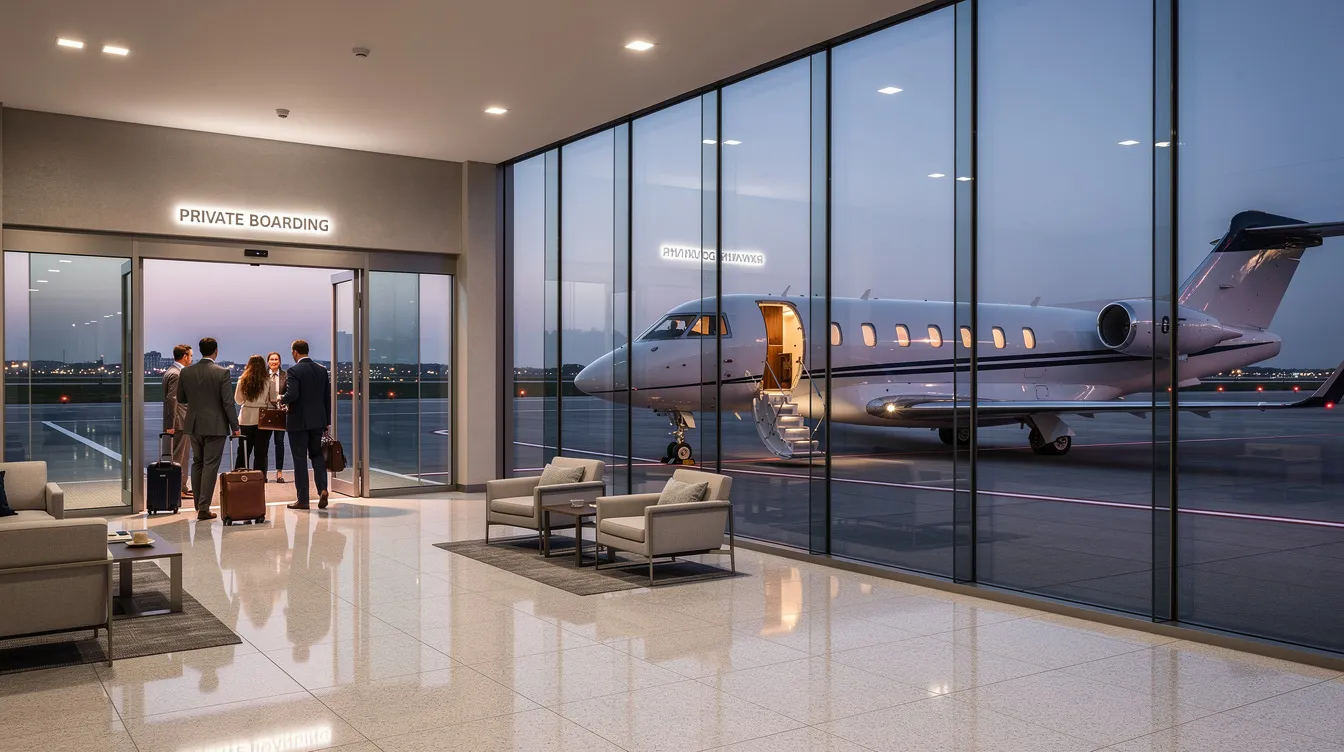
The best small jet aircraft is the one that fits a traveler's mission profile: the routes flown, the number of passengers carried, the airports needed, and the budget available. No single aircraft wins every category.
This guide covered the Cirrus Vision Jet and Cirrus SR22T as stepping stones into jet travel, the Embraer Phenom 100EV and 300E as the volume leaders in their respective segments, the HondaJet Elite II as the most advanced VLJ, the Citation M2 Gen2 as a reliable workhorse, and the Pilatus PC-24 as the rough-field specialist.
Fractional aircraft ownership and structured membership give most business travelers a smarter way to fly private than full ownership. The capital savings, tax flexibility, and aircraft variety available through programs like BlackJet outweigh the appeal of owning a single aircraft for all but the highest-utilization operators.
Safety, technology, fuel efficiency, and airport access deserve as much weight as cabin comfort and prestige when narrowing a shortlist of light jet models. Glass cockpits, autothrottle, and autoland systems have closed the gap between small jets and larger jets on operational safety.
Ready to find the right small jet solution for your travel patterns? Visit FractionalJetOwnership.com to explore BlackJet Fractional Jet Ownership programs, request a customized cost comparison, or schedule a consultation with an aviation advisor.
With the right aircraft and access model, door-to-door travel time drops by several hours per trip, turning travel from a constraint into a strategic advantage.
