July 9, 2026
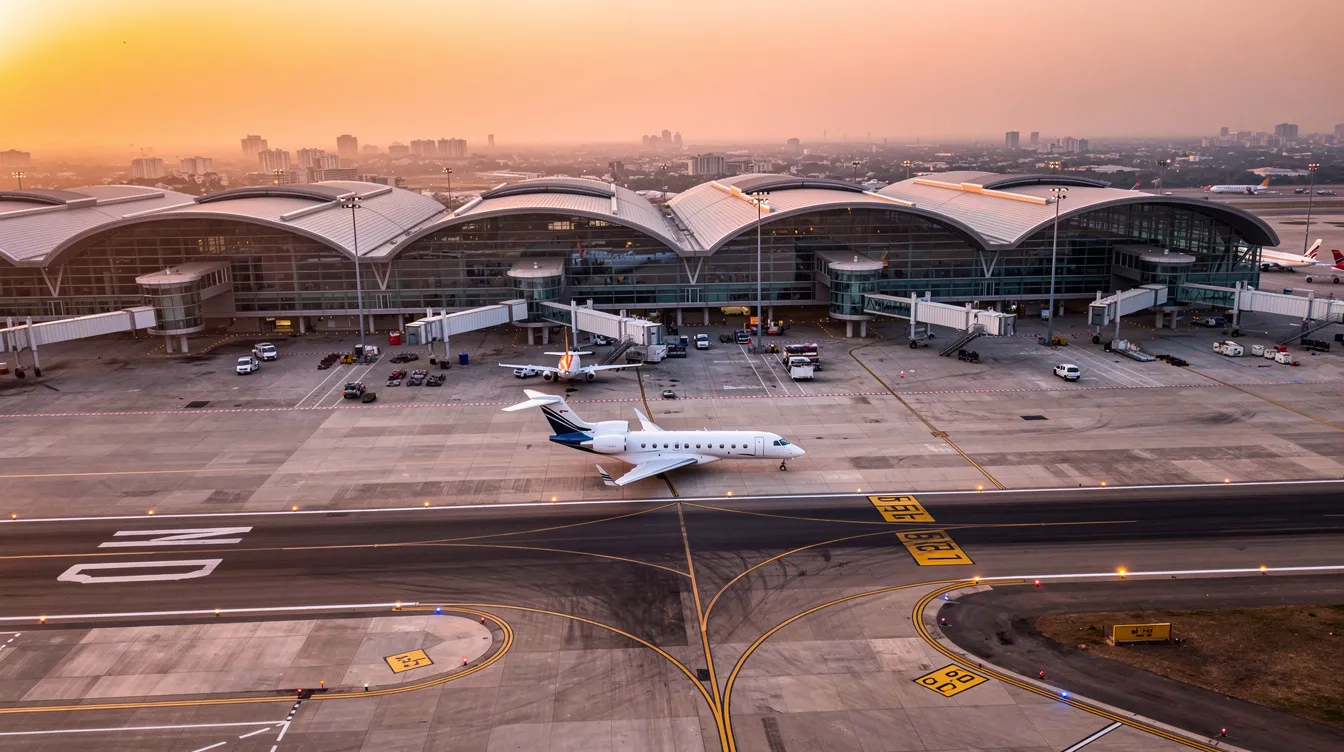
Charter flights from India provide flexible and private travel options for executives, families, and corporations who need on-demand services without commercial layovers. This guide is for executives, families, and corporations considering private jet travel from India. With India's growing private aviation sector, knowing your options can save time and money and provide unmatched flexibility. This guide covers aircraft options, real pricing, key routes, and when fractional jet ownership delivers better value than ad-hoc charter.
Charter flights from India mean hiring an entire aircraft-private jet, turboprop, or helicopter-for a specific route and schedule. Private jet charter pricing in India typically ranges from ₹2.25L to ₹12L per hour depending on aircraft size.
Light jets: ₹2.25L–₹3.75L per hour (~USD 2,700–4,500)
Midsize jets: ₹3.5L–₹6.5L per hour (~USD 4,200–7,800)
Heavy jets: ₹5.25L–₹9L per hour (~USD 6,300–10,800)
Ultra-long-range jets: ₹7.5L–₹12L+ per hour (~USD 9,000–14,400+)
Mumbai–Dubai (midsize jet): ₹25–40 lakh one-way
Delhi–London (ultra-long-range): ₹60 lakh to ₹1.3 crore one-way
Bengaluru–Singapore (super-midsize, round trip): ₹40–70 lakh
On-demand charter is pay-per-trip. For travelers flying 25–150 hours annually, fractional jet ownership through BlackJet Fractional Jet Ownership offers more predictable access and cost per hour.
A chartered plane differs from a scheduled airline flight in one fundamental way: the client controls the aircraft, the route, and the schedule. Private charter flights provide exclusive access for passengers, enhancing comfort, privacy, and efficiency on every leg.
Key charter categories from India include:
Whole-aircraft private jet charter for business or leisure
Helicopter charter for last-mile transfers and pilgrimage sites
Air ambulance and medical evacuation for emergency travel
Corporate shuttles on recurring city pairs
Pilgrimage charters (Char Dham, Shirdi, Vaishno Devi)
BlackJet Fractional Jet Ownership focuses on predictable access via its Reserve Fleet and Equity Fleet models rather than ad hoc charter brokerage.
Aircraft category determines your range, cabin comfort, runway requirements, and cost. India's charter market uses aircraft of different sizes to match mission profiles:
Turboprops (King Air 350, Pilatus PC-12): 4–8 seats, ideal for short hops under 1,000 km, capable of operating into smaller airstrips
Light jets (Citation CJ2, Phenom 300): 4–7 passengers, efficient for sub-2.5-hour domestic flights like Mumbai–Bengaluru or Delhi–Udaipur
Midsize/super-midsize jets (Hawker 800XP, Legacy 500): stand-up cabin, suited for India–Gulf and India–SE Asia sectors
Large/ultra-long-range jets (Gulfstream G650, Global 6000): nonstop to Europe or the US from Delhi or Mumbai, boardroom-style cabins with sleeping arrangements
Fractional aircraft ownership programs typically favor midsize to ultra-long-range jets because fixed and variable costs are allocated more efficiently over many hours of usage, and understanding fractional jet ownership terminology and concepts helps buyers evaluate which aircraft category fits their needs and budget.
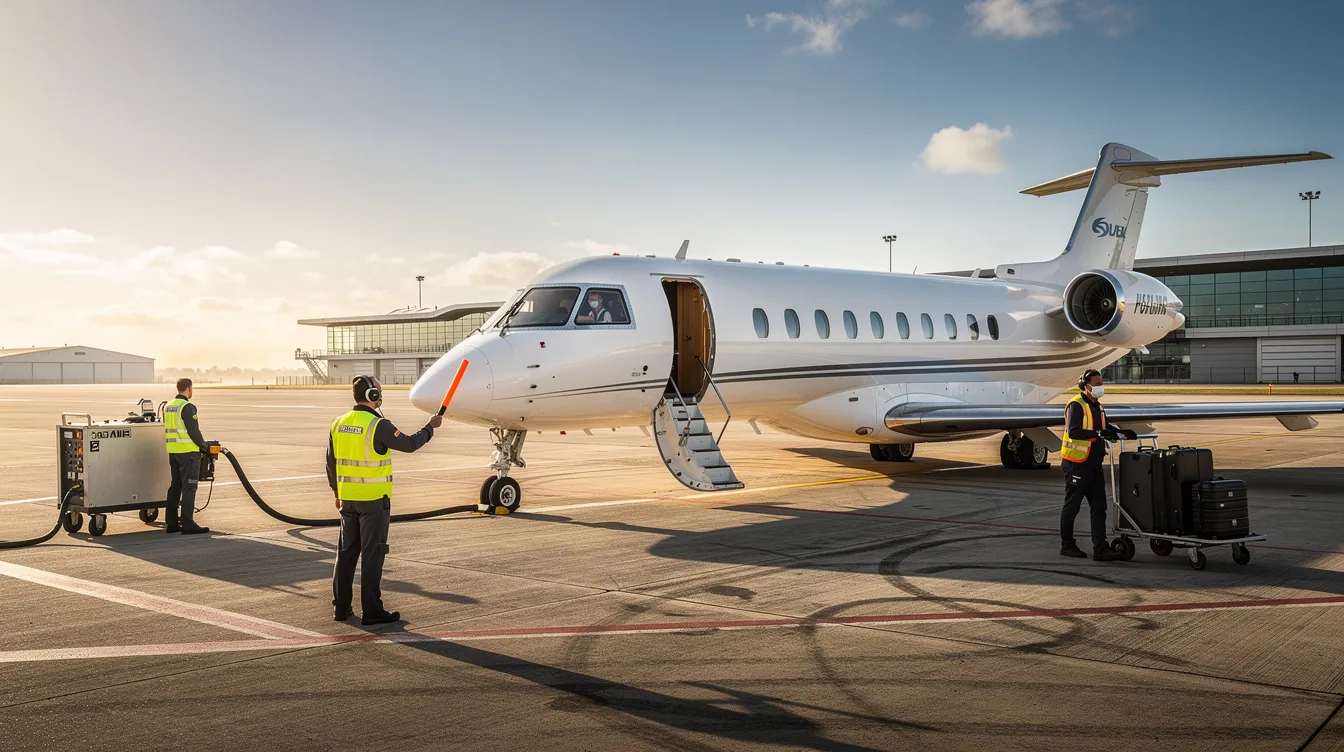
Charter flights provide direct routing and access to more airports than commercial airlines. Charter flights can access over 400 domestic airstrips and international destinations.
Domestic: Mumbai–Goa (~1 hr), Delhi–Mumbai (~2 hr), Bengaluru–Hyderabad (~1 hr), Delhi–Dehradun (~1 hr, gateway to Char Dham)
Regional international: Delhi–Dubai (~3 hr), Mumbai–Malé (~3.5 hr), Bengaluru–Singapore (~5 hr), Mumbai–Bangkok (~5 hr) across Asia
Long-haul: Delhi–London (~9 hr nonstop), Mumbai–Zurich (~8.5 hr), Delhi–New York (~15 hr with tech stop in Europe)
Light jets handle domestic flights efficiently, while heavy jets are necessary for any route exceeding 4,000 km or carrying more than six passengers with baggage.
India has over 486 airports for private jet travel, giving operators easy access to metros, Tier-2 cities, and remote destinations. Charter flights provide direct routing into airfields that commercial airlines rarely serve.
Metro hubs: Mumbai (BOM), Delhi (DEL), Bengaluru (BLR), Hyderabad (HYD), Chennai (MAA)
Leisure and business: Goa (GOI/Manohar International), Kochi (COK), Jaipur (JAI), Ahmedabad (AMD)
Religious and remote: Dehradun (DED) for Char Dham, Aurangabad for Ajanta–Ellora
Bangalore has three major airports within 50 miles: Kempegowda International Airport is a key hub for private jets, Yelahanka Airport is frequently used for private aviation in Bangalore, and Hosur Airport is another option for private jet travel near Bangalore. Slot availability, night-parking restrictions, and customs hours at each airport affect scheduling.
Charter pricing includes operational and airport costs beyond the hourly rate. Understanding plane charter cost requires knowing each component:
Fixed hourly components: aircraft depreciation, crew salaries, maintenance reserves, insurance, operator margin
Variable costs: fuel burn (ATF is heavily taxed in India), ATC fees, landing and parking charges, ground handling, overnight crew hotel, and per diem
Taxes: 18% GST on all domestic charter flights; international segments add overflight permits and foreign airport charges
Positioning fees: if the aircraft must fly empty to your departure city
Fractional jet ownership spreads fixed costs across multiple owners, creating more predictable per-hour cost than a single-trip charter; a detailed view of fractional jet ownership cost components clarifies how acquisition, management, and hourly fees add up over time.
These planning ranges reflect 2026 market conditions-not live quotes:
Mumbai–Goa–Mumbai same-day (light jet, ~2.5 flight hours): ₹8–12 lakh total including handling and minimum billing
Delhi–Dubai one-way (midsize jet, 6 passengers, ~3 hrs): ₹25–40 lakh including landing, handling, and approximate positioning
Bengaluru–Singapore return (super-midsize, 3 days): ₹40–70 lakh total for ~8–10 flight hours
Delhi–London nonstop (ultra-long-range): ₹60 lakh–₹1.3 crore one-way; compare with fractional ownership hourly costs for similar distance and review the total cost of fractional jet ownership to understand long-term affordability
An empty leg flight occurs when an aircraft returns without passengers after completing a drop-off mission. Empty leg flights offer significant discounts on private jet travel-typically 25–50% below standard charter rates.
Common patterns: Mumbai–Delhi, Delhi–Dubai, Bengaluru–Mumbai after one-way charters
Trade-offs: fixed routing, short notice, limited schedule flexibility
Best for opportunistic travelers; frequent flyers may prefer fractional ownership for reliability over sporadic empty leg availability
Choose ad-hoc charter if you fly 1–3 private trips per year, need highly irregular routes, or are testing private aviation for the first time
Consider fractional aircraft ownership if you or your corporation fly 25–150 hours annually; companies can offer fractional ownership programs for private jets to reduce costs and guarantee access, with options such as 1/8 fractional jet ownership structures providing around 100 hours of flying per year
Peak season advantage: during Diwali, New Year, or the wedding season, charter costs spike 20–30% and availability tightens; fractional programs offer guaranteed scheduling
BlackJet's Reserve Fleet (pay-as-you-go hours) and Equity Fleet (fractional ownership) complement occasional charter flights for those who strive for both flexibility and cost predictability.
The biggest jet is not always the best match. Choosing the right category depends on mission distance, passenger count, and runway constraints:
Light jets: compact cabin, room for 2–5 passengers, limited baggage, best for sub-2.5-hour legs within India
Midsize/super-midsize: stand-up cabin, better range for India–Gulf or India–SE Asia, ideal for small-team travel with speed and comfort
Heavy/ultra-long-range: India–Europe or India–US nonstop, larger baggage holds, sleeping berths, boardroom configurations
For split-team travel, two light jets departing Mumbai and Delhi simultaneously can be more efficient than one heavy jet requiring a connecting leg.
Every operator must hold a DGCA-issued Non-Scheduled Operator Permit (NSOP). Safety and compliance are non-negotiable:
Domestic flights: typical permit processing is straightforward for NSOP holders; restrictions apply at defense or sensitive airports
International flights: overflight and landing permits required country by country; crew visa planning adds lead time (days to weeks for Europe, shorter for the Gulf), and duty-rest compliance can affect when the aircraft can depart again for the next sector
Cabotage rules: foreign-registered private jets generally cannot fly between two Indian cities
Professional aircraft management through fractional ownership programs ensures pilots, maintenance, and operational compliance meet the highest standards, while robust liability and insurance coverage in fractional ownership protects owners from shared legal and financial risks.
Charter flights reduce waiting times at airports, allowing check-in just 30 minutes before departure at dedicated GA terminals. Charter flights allow for more privacy and security for passengers throughout the journey.
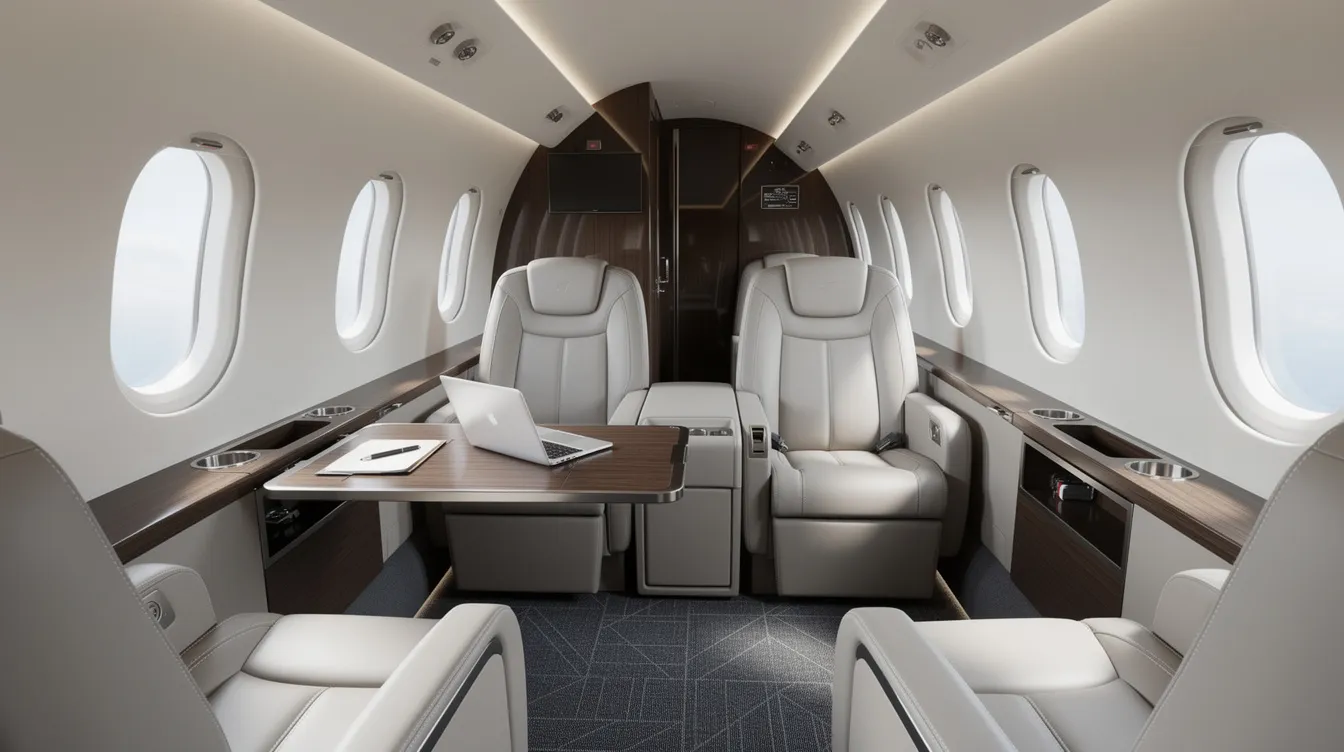
Cabin: passengers can customize in-flight services such as catering and entertainment; regional Indian cuisine available for longer flights; Wi-Fi on most midsize and larger jets
Luggage: charter flights can accommodate extra baggage or specialized equipment-golf bags, film gear, sample cases-subject to aircraft weight limits
Workspace: quiet cabin for confidential discussions, calls, or rest during flight
BlackJet-managed aircraft standardize the cabin quality and amenities for frequent flyers across multiple trips.
Charter transportation facilitates greater productivity for business travelers. Private jets can significantly reduce travel time compared to commercial flights, enabling same-day round trip missions across industries.
Typical missions: multi-city roadshows, factory visits in Tier-2 cities, last-minute board meetings in Singapore or Dubai
Executives reclaim hours lost to layovers-a Delhi–Mumbai–Pune day trip is routine by private jet.
Charter is an operating expense; fractional jet ownership shares may offer depreciation benefits worth exploring with tax advisors, and dedicated fractional jet ownership financing options can further optimize how you structure the investment
Frequent corporate travelers often migrate from pure charter to structured programs like BlackJet's Equity Fleet for financial and logistical advantages over many years.
Private aviation opens destinations that commercial airlines serve poorly or not at all:
Leisure: Maldives, Seychelles, Europe for summer; wildlife lodges via Nagpur (Tadoba) or Jabalpur (Kanha), with India’s rich culture, history, and traditions also driving demand for bespoke itineraries
Pilgrimage: Char Dham via Dehradun with helicopters, Shirdi, Vaishno Devi-avoiding crowds and gaining convenience
Special events: destination weddings in Rajasthan, flying guests or a corporate party to sports weekends, F1 race weekends, and film-related events requiring flexible scheduling, where floating fleet fractional ownership models can increase availability across busy dates
Families who combine frequent leisure with business flying every year find that fractional ownership structured through BlackJet can create a predictable annual travel budget.
Safety is driven by maintenance standards and operator discipline, not aircraft age alone. Reputable operators follow DGCA-mandated inspection schedules and often exceed them with international standards like IS-BAO.
Cabin refurbishment trends include Wi-Fi retrofits, noise-reduction upgrades, and modern seat configurations
Fractional aircraft ownership programs enforce strict maintenance and upgrade cycles to protect co-owners' asset value and ensure consistent flight quality, reinforcing the case for fractional jet ownership as an investment compared with ad-hoc charter or full ownership
Booking a charter flight requires coordination with private operators or brokers. The booking process for charter flights involves submitting travel requests and receiving aircraft options tailored to your mission, covering the full course of planning from request to departure:
Define your trip: cities, dates, passenger count, special needs (pets, medical equipment, oversized baggage)
Request quotes from certified operators; share flexibility windows for better pricing
Review the aircraft, crew credentials, and contract terms (deposit, balance, fuel surcharges, cancellation policy), and for fractional programs pay close attention to essential contract terms in fractional ownership, such as scheduling rules, exit options, and cost allocations
Provide passport copies for international departures; confirm catering and ground transport.
Private jets can be booked with as little as 4 hours notice for domestic flights. Frequent travelers should simultaneously evaluate charter quotes vs fractional ownership programs for better long-term value.
Smart planning goes the extra mile in controlling charter spend:
Choose right-sized aircraft: a light jet for a 2-hour domestic leg costs half of what a heavy jet charges
Optimize routing: sequence multi-city itineraries to avoid unnecessary repositioning
Consider secondary airports (lower fees, faster ground access in some cities)
Be flexible on departure time-off-peak slots reduce handling and parking costs
Predictable hourly structures in fractional ownership protect frequent flyers from seasonal price spikes, but comparing fractional ownership vs membership programs helps determine which structure best matches your flying frequency and commitment level
Three models serve different usage profiles. Understanding which fits your travel pattern is the most efficient path to value:
On-demand charter: maximum flexibility, zero commitment, but variable pricing and no guaranteed availability during peak season
Jet cards: prepaid hours at fixed rates, but often limited fleet and blackout dates; see jet card comparisons
Fractional jet ownership (BlackJet): equity stake in an aircraft, guaranteed access tiers, professional management, and potential tax advantages, similar in structure to leading global fractional jet programs but tailored for India-linked travel needs
Many India-based clients combine models-a fractional share for primary routes plus occasional charter for one-off missions to uncommon destinations across the world.
India's private aviation fleet grew approximately 53.2% from 2023 to 2025, and the country's rising UHNI population signals continued expansion through 2030.
New airports and GA terminals are opening across the country, with the government's regional connectivity scheme unlocking more charter destinations, while well-drafted fractional aircraft ownership contracts ensure co-owners can safely capitalize on this expanding network.
Sustainable aviation fuel (SAF) and carbon-offset programs are becoming part of the planning conversation for environmentally conscious flyers
Innovative ownership models like BlackJet's Reserve Fleet and Equity Fleet will shape how Indian and global clients fly private from India.
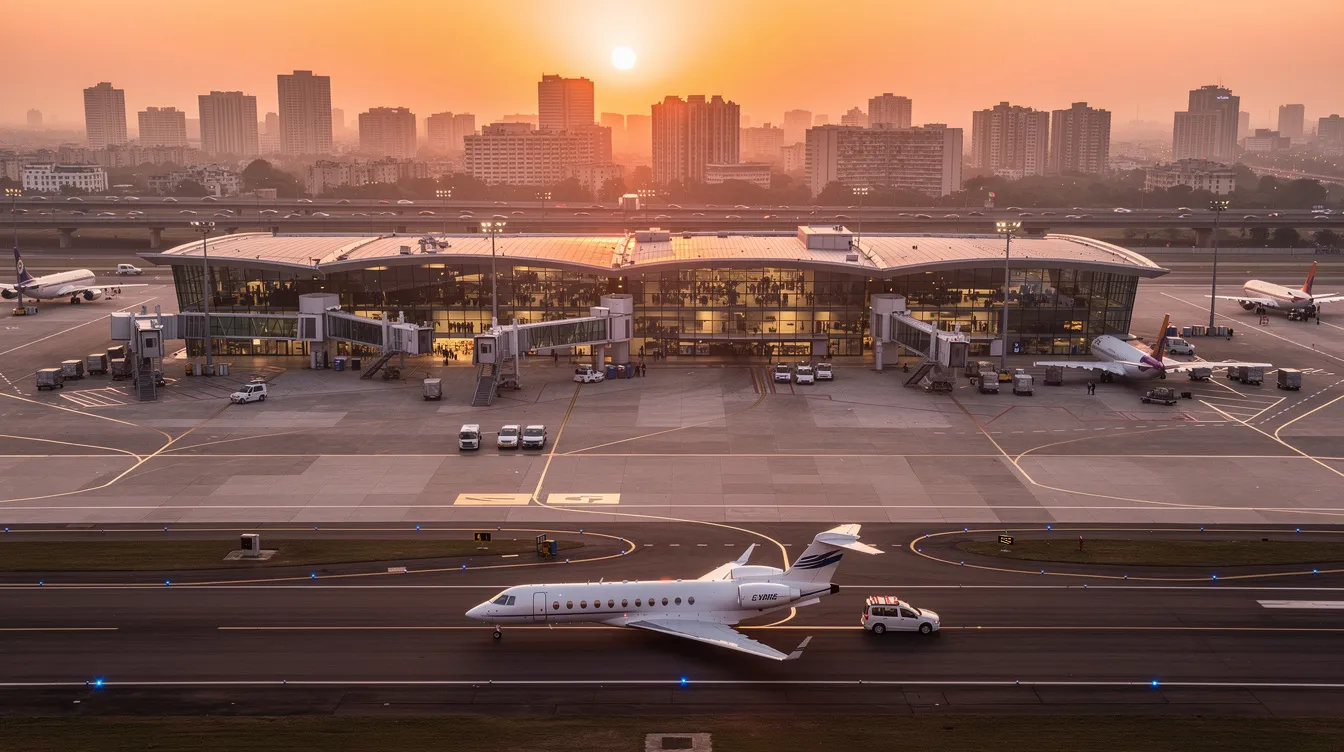
Private jets can be booked with as little as 4 hours' notice domestically; international flights typically need 24–72 hours for permits.
Yes, private jets can accommodate pets with prior notice to the operator.
Most midsize and larger jets offer onboard Wi-Fi; availability varies on light jets and turboprops.
Valid passports, visas for the destination country, and customs declarations; the operator handles flight-specific permits.
Contact operators or use digital marketplaces; schedules are fixed, and notice is short, making them best for flexible travelers, and some owners eventually sell their fractional jet ownership share when switching from structured access to opportunistic flying.
Yes, charter flights can accommodate specialized equipment and extra baggage, subject to aircraft weight limits and advance coordination.
You clear customs and immigration at the departure airport's GA terminal; on arrival, you clear at the destination's designated facility.
Charter flights from India deliver unmatched flexibility for one-off trips, but high-frequency users who fly 25–150 hours per year should assess whether structured ownership solutions deliver a richer return on every hour in the air.
Explore fractional jet ownership and reserve programs with BlackJet Fractional Jet Ownership for guaranteed access, cost predictability, and professional aircraft management.
Visit fractionaljetownership.com for a confidential consultation on optimizing your private aviation strategy beyond ad-hoc charter.
Compare your lifetime charter spend against a fractional ownership investment-the data often reveals a clear, smarter path forward.
Ready to fly smarter? Send a message to BlackJet today and discover how fractional ownership can transform your travel from India and around the world.
