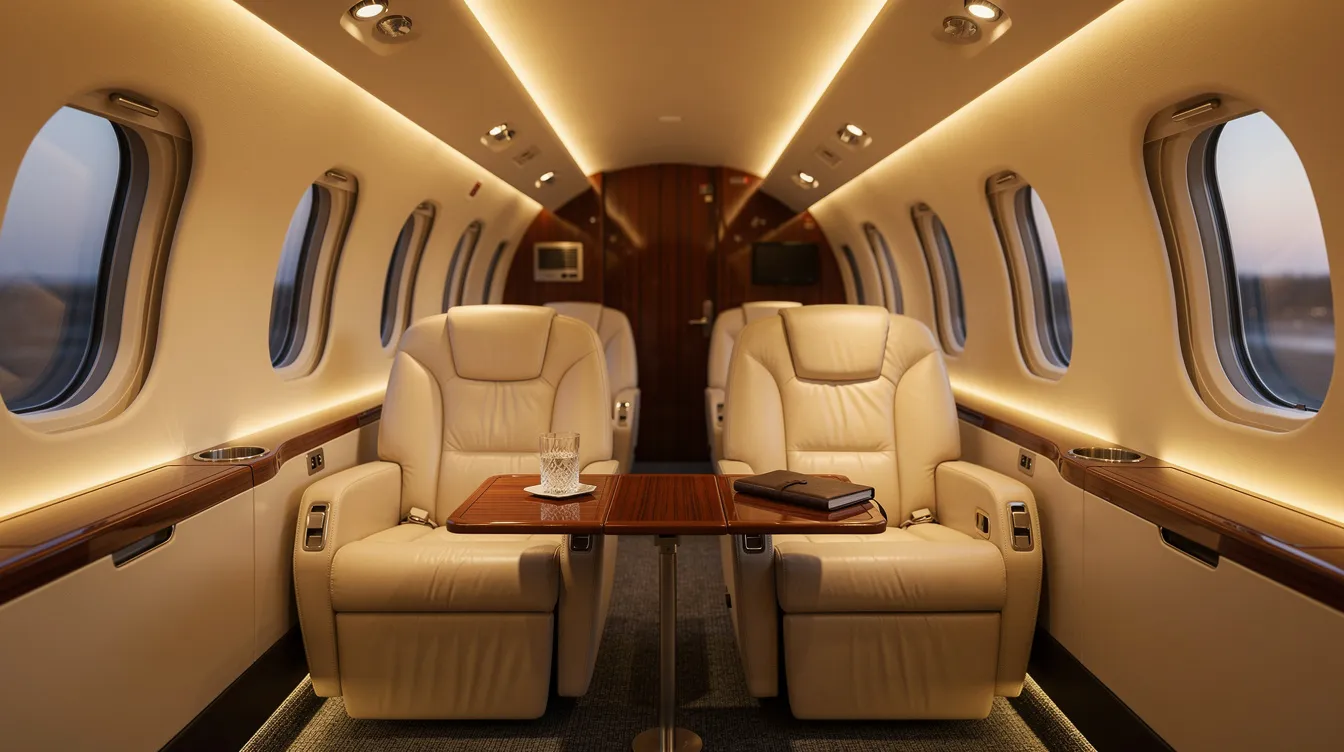
July 7, 2026
Private aviation is no longer a perk reserved for Fortune 100 CEOs and tech billionaires. Over the past five years, the number of people choosing to fly in a private jet has expanded dramatically—driven by new access models, growing demand for time efficiency, and a broader understanding of what flying private actually costs. This guide breaks down real pricing, compares the major access models, and explains how fractional ownership fits into the picture for travelers who want predictability without full aircraft ownership.
Since 2020, private aviation has undergone a structural shift. Charter and fractional ownership flights now account for over 55.8% of all private jet activity in North America—up from roughly 43.7% in 2012, according to ARGUS TRAQPak data. The fractional fleet globally has grown approximately 65% since 2019, with light jets, midsize jets, and super-midsize aircraft representing about 80% of the fleet. Private aviation eliminates the friction of transit compared to commercial travel, and the market has responded.
The range of options now stretches from semi-private seat-share flights starting around $100 per seat to structured fractional ownership programs and jet cards designed for frequent travelers. Most travelers exploring private jet travel today are not buying entire aircraft. They are U.S.-based executives, business owners, and families flying 25 to 150 hours per year who need reliable access without the full burden of ownership.
BlackJet Fractional Jet Ownership serves as a trusted advisor in this landscape, helping travelers evaluate whether air charter, membership programs, jet cards, or fractional ownership best fits their actual travel patterns. Rather than pushing a single product, BlackJet's model centers on matching clients to the right structure—whether that's flexible pay-as-you-go hours through the Reserve Fleet or an equity-backed ownership position through the Equity Fleet.
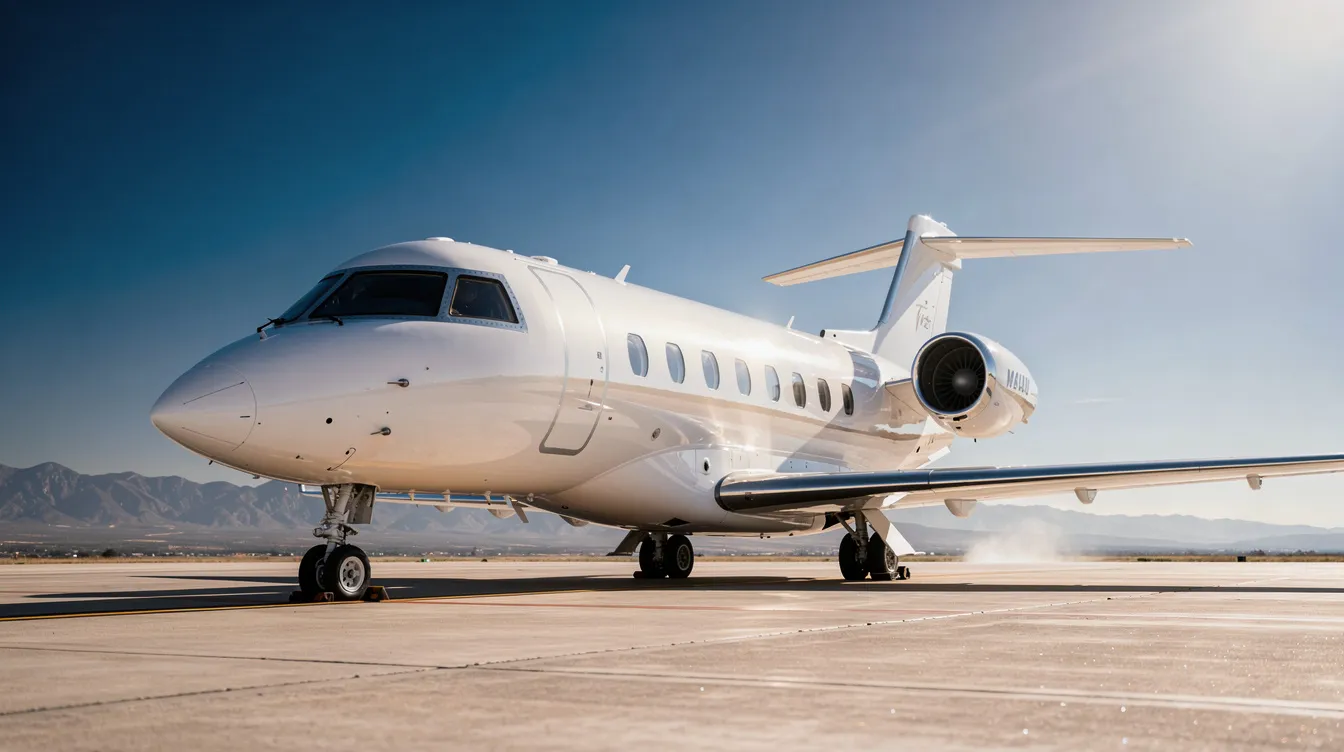
Flying private in 2026 is more accessible than ever, with options ranging from on-demand charters to fractional ownership tailored to diverse travel needs.
Chartering a private jet costs between $1,200 and $14,000+ per hour depending on aircraft type and route, with additional fees typically increasing total trip costs by 20–40%.
Fractional ownership offers predictable costs, guaranteed availability, and potential tax benefits for travelers flying 50–150 hours annually, while jet cards and membership programs provide fixed hourly rates without full ownership.
Understanding the full cost structure—including positioning fees, taxes, landing and handling charges, and crew expenses—is critical to budgeting and comparing private aviation options accurately.
Private jets save significant time door-to-door by accessing over 5,000 airports, allowing travelers to avoid commercial airport bottlenecks, long security lines, and indirect routes.
BlackJet Fractional Jet Ownership’s Reserve Fleet and Equity Fleet models provide flexible and equity-backed solutions designed to match individual travel patterns and priorities.
Consulting with a private aviation advisor ensures the right program choice based on actual usage, routes, and passenger needs, maximizing value while minimizing surprises.
Chartering a private jet typically costs between $2,000 and $14,000 per flight hour, depending on the aircraft type and route. Here is a snapshot of typical 2026 charter rates:
Turboprops: $1,200–$3,000 per hour
Light jets: $2,800–$5,000 per hour
Midsize jets: $4,500–$8,000 per hour
Super midsize: $6,000–$10,000+ per hour
Heavy jet / long-range: $8,000–$14,000+ per hour
A short domestic flight on a light jet costs around $10,000. For a concrete example, a light jet flying from New York to Miami (roughly 2.5 hours of flight time) runs $12,500–$15,000 in base costs, often reaching $15,500–$18,000 all-in with additional fees and taxes.
A super midsize jet from New York to Los Angeles (approximately 5.5 hours) carries total trip costs of $35,000–$50,000+ when landing fees, crew, and positioning are included. Chartering a private jet can cost thousands to tens of thousands of dollars per flight, depending on these variables.
Empty leg flights can offer discounts of 25–75% off standard charter rates, but they require flexible schedules and route tolerance. For travelers flying regularly, the choice between pay-as-you-go charter flights and predictable hourly rates through jet cards or fractional ownership often determines whether private flying is sustainable or financially volatile.
A private jet charter quote is not simply an hourly rate multiplied by flight time. It is built from multiple layered components, and understanding them is essential for comparing offers honestly.
The main pricing drivers include:
Aircraft type and size – fuel burn, crew requirements, maintenance costs
Flight time – wheels-up to wheels-down, with contractual minimums per leg
Positioning and empty legs – ferry flights to and from the departure airport
Seasonality and market demand – peak periods trigger surcharges
Onboard services – catering, Wi-Fi, ground transport, special requests
The difference between an air charter (a single-trip contract) and structured programs like jet cards or fractional ownership is significant. Charter exposes the traveler to market-rate swings on every trip. Structured programs lock in or cap hourly rates, providing transparent pricing over months or years.
This is where BlackJet's Reserve Fleet and Equity Fleet models are designed to help: they give clients cost predictability modeled against their actual flight details, so there are no surprises on the invoice.
Hourly rates scale with aircraft capability. Chartering a turboprop costs between $1,200 and $3,000 per hour. Light jets range from about $2,800 to $5,000 per hour. Midsize jets typically fall between $4,500 and $8,000 per hour, and heavy jets can exceed $14,000 per hour for long-haul flights.
Private jet costs range from $2,000 to over $14,000 per hour, and the aircraft type is the single largest variable. Billable flight time is calculated from wheels-up to wheels-down, often with a minimum billable time per leg of 1.0 to 2.0 hours, which means very short trips can be disproportionately expensive.
Choosing the right aircraft type for passenger count and route length is one of the most effective ways to control cost. A midsize jet is unnecessary for a 90-minute hop that a light jet handles comfortably. BlackJet advisors work with clients to select the best business jets for their typical missions.
Positioning flights occur when an aircraft must fly empty to reach the departure airport or return to base after a trip. These ferry legs are billed as part of the charter flight, sometimes adding a high cost. For example, if a client charters a flight from Teterboro to Dallas but the aircraft is based in Miami, approximately two hours of empty repositioning are added to the invoice.
An empty leg is a pre-scheduled repositioning segment that operators resell at a discount to reduce waste. These leg flights can save money, but the route and timing are dictated by the operator—not the traveler.
Structured programs like fractional ownership reduce exposure to ad hoc positioning fees. With a larger circulating fleet, aircraft are better distributed geographically, and repositioning costs are shared across many owners rather than falling on a single client per trip.
Beyond the hourly rate, several additional fees contribute to total trip costs. These can increase the final bill by 20–40% over the base estimate:
Federal Excise Tax (FET): 7.5% on domestic charter transport charges in the U.S.
Per-segment fees: approximately $4–$6 per passenger per flight segment
Landing fees: $100–$1,500+ depending on aircraft weight and airport (major airports like Teterboro or Van Nuys charge more)
Ramp and handling (FBO fees): typically $150–$500+ per stop
Crew overnight expenses: hotel and per diem for two pilots when the aircraft stays at an out-base location
Hangar fees: required to store the aircraft overnight, especially during winter at snow-prone airports; costs vary based on airport and aircraft size
Consider a 2-day round trip where the aircraft overnights at both ends. Two nights of crew hotel, per diem for two pilots, hangar storage at a winter airport, and handling at non-base FBOs can collectively add thousands to what appeared to be a straightforward quote.
BlackJet clients see these costs modeled clearly during annual planning, helping corporate travel managers and individual owners budget operational expenses accurately.
Full ownership—buying an entire plane—only makes financial sense above roughly 200–300 flight hours per year. Annual operating costs for a midsize jet under full ownership often run $1.2 million to $2.5 million or more, excluding financing and depreciation, so many flyers turn to shared-use models and analyze the total cost of fractional jet ownership before deciding. For the vast majority of private flyers, shared-use models are the practical path.
With over 20,000 unique aircraft available for private jet charters and structured programs across the U.S., there are four main ways to access private flights in 2026.
Charter flights offer the simplest entry: book a private aircraft for a specific trip with no long-term commitments. A CEO needing a last-minute flight from Chicago to Toronto for a same-day board meeting can book flights with as little as 15 minutes' notice in some cases, though booking early—typically 2–4 weeks in advance for short trips—usually improves aircraft choice and pricing, especially around peak travel periods.
Pros:
Ultimate flexibility
No capital outlay
Best for travelers under approximately 25 hours per year
Cons:
Variable pricing
Exposure to peak-demand surcharges
Repositioning costs
Limited predictability on charter rates
Need to shop for every specific trip
Jet cards let clients prepay for a set number of flight hours—commonly 25 to 50 hours—at fixed hourly rates with service guarantees. Jet cards require an upfront deposit of typically $50,000 or more, with terms ranging from 12 to 36 months and blackout date rules during peak periods.
BlackJet's Reserve Fleet concept offers an alternative: pay-as-you-go access with transparent hourly pricing but without large non-refundable deposits or rigid lock-ins. Frequent flyers who want charter-like flexibility but capped rates should consider both membership programs and Reserve Fleet access side by side, weighing fractional jet ownership vs membership programs to see which better matches their hours and priorities. Private jets offer a flexible travel schedule without fixed routes, and the right program preserves that flexibility while adding cost control.
Fractional ownership means purchasing a legal share—commonly 1/16, 1/8, or 1/4—of a specific aircraft type, and understanding key fractional jet ownership terms helps clarify exactly what that share provides in practice. Some travelers first enter private aviation through public charters rather than full aircraft access. Those programs sell individual seats on shared private flights instead of the entire aircraft. This share typically provides 50 to 200 occupied hours per year and grants predictable access, known aircraft standards, and potential tax benefits in the United States when used for qualifying business purposes; for example, 1/8 fractional jet ownership often translates to around 100 annual flight hours for a single owner.
BlackJet's Equity Fleet program differs from generic charter by providing an equity stake, asset-backed value, and priority scheduling. A business owner flying 100 hours per year between New York, Dallas, and Miami can often achieve a lower effective cost per flight hour through fractional ownership than through charter or jet cards alone, especially when they evaluate fractional jet ownership as an investment rather than just a travel expense. For a deeper look at how programs compare, see this fractional jet ownership programs comparison.
For travelers flying 25–150 hours annually, the choice between fractional ownership and charter comes down to four dimensions: cost per flight hour, guaranteed availability, aircraft familiarity, and administrative burden. The answer is not about luxury—it is about time savings, predictability, and whether your travel patterns justify a structured commitment.
BlackJet helps clients model both scenarios using their actual 12-month travel history, comparing charter-only costs against fractional and Reserve Fleet alternatives.
Ad-hoc charter exposes flyers to fluctuating hourly rates, seasonal surcharges, and volatile fuel costs. A trip that costs $6,500 per hour in March might cost $8,500 in December. Fractional ownership and structured programs lock in or stabilize rates over multi-year terms, which matters for corporate travel planning and cash-flow management.
Consider a 5-year scenario: a client flying 75 hours per year on charter at an average all-in cost of $7,000 per hour spends roughly $525,000 annually—$2.625 million over five years, with no equity retained. A 1/8 share in a midsize jet might require $800,000–$1.5 million upfront plus monthly management fees of $30,000–$60,000, but the owner retains residual equity and pays predictable hourly usage fees, which is why understanding fractional jet ownership financing options is critical before committing capital. The net cost difference depends on utilization and resale value, but the budget stability is substantial—and long-term planning should also account for how you might sell a fractional jet ownership share or transition out of a program.
Charter constraints intensify during peak periods—Christmas through New Year's, Super Bowl weekend, Art Basel Miami, ski-season weekends. Aircraft availability drops while surcharges spike. Private charter clients often find themselves unable to book at any price during these windows.
Fractional programs typically guarantee availability within defined notice periods: 8–10 hours on non-peak days, 24–48 hours during peak periods. BlackJet's approach to scheduling provides centralized operations with consistent aircraft access, enabling multi-city itineraries—three or four site visits across U.S. regional airports in a single day—that would be nearly impossible to arrange reliably through one-off charter.
Full aircraft ownership requires handling crew salaries, maintenance, hangar fees, insurance, and regulatory compliance—essentially running a small aviation department, whereas some fractional programs offer floating fleet access structures that spread these burdens across a larger, more flexible fleet. Charter clients avoid this but must shop for every trip or rely on a broker with no continuity guarantee.
Fractional programs like BlackJet's Equity Fleet include turnkey aircraft management, scheduling, and regulatory oversight. Corporate leaders can focus on business outcomes rather than coordinating with mechanics, insurers, and pilots. This operational simplicity is a primary reason clients move from charter to fractional.
Right-sizing the aircraft type to each mission is one of the biggest levers for controlling cost and comfort. Overspending on a heavy jet for a 400-mile hop wastes money; squeezing into a small plane for a coast-to-coast flight wastes productivity.
Five broad classes cover most missions: turboprops, light jets, midsize jets, super midsize, and large/long-range jets.
For routes under 500–700 miles—Boston to Washington, D.C., Dallas to Houston, Los Angeles to Las Vegas—turboprops and light jets are the cost-effective solution. Turboprops cruise at 250–330 mph, while light jets reach 400–480 mph.
Private jets can land at smaller, more convenient airports, and private jet charters can access over 5,000 airports in the U.S., including smaller regional airports that commercial airlines never serve. This means landing closer to your final destination, cutting ground transport time significantly.
Cost advantages are clear: lower hourly rates, reduced fuel burn, and access to shorter runways. A client should step up from turboprop to light jet when passenger count exceeds four, since these aircraft are often the most efficient fit for small groups on short regional trips, weather conditions demand higher performance, or schedule constraints require faster cruise speeds.
U.S. cross-country routes like New York to Los Angeles or Chicago to San Francisco require 4–6 hours of flight time. Midsize and super midsize jets are the sweet spot for 4–10 passengers on these legs, offering stand-up cabins, ample luggage capacity, and enough range to fly nonstop.
Heavy jets can fly up to 7,000 miles without refueling, making them the right choice for nonstop international routes like New York to London, Los Angeles to Tokyo, or Dubai to London. Private jets fly at altitudes up to 45,000 feet, above most commercial traffic and weather, contributing to smoother rides and more direct routing.
BlackJet can structure Equity Fleet access around a primary aircraft type for recurring domestic routes while arranging occasional upgrades for long-range missions through its broader network.
Understanding the full cost structure prevents surprises and improves negotiating leverage. The hourly rate is the headline number, but it rarely represents the final invoice.
Main components beyond hourly rates include taxes, landing and handling, crew expenses, hangar fees, catering, de-icing, and connectivity. BlackJet clients see these costs forecasted over an annual plan rather than discovered trip by trip.
Federal Excise Tax: The U.S. Federal Excise Tax adds 7.5% to most domestic charter legs.
Per-segment fees: Approximately $4–$6 per passenger apply on many flights.
Landing fees: At major airports, these scale with aircraft weight—expect $1,000 or more at locations like New York Teterboro or Los Angeles Van Nuys, versus $100–$300 at smaller airports.
Ramp and handling fees: Charged by FBOs, typically $150–$500+ per stop, though fuel purchases at the FBO can sometimes offset a portion.
Using a nearby reliever airport instead of a major hub often saves hundreds in landing fees and handling charges while placing the traveler closer to their final destination in many metro areas.
Most jet operations require two pilots. Midsize and larger jets sometimes include a flight attendant. When a trip requires the aircraft to remain overnight at a remote location, crew overnight costs—hotel and per diem for each crew member—accumulate quickly. A 2-night trip could generate $1,500–$3,000 or more in crew expenses alone, depending on location.
Hangar fees apply when aircraft need indoor storage, particularly during winter months at airports in Denver, Chicago, or the Northeast, where de-icing and weather protection are essential. Fractional programs and managed fleets negotiate these expenses at scale, often lowering the per-hour impact for individual owners compared to one-off fixed costs in charter.
De-icing at northern U.S. and European airports can cost $500 to $4,000 per application, depending on aircraft size and conditions. This is a seasonal cost that catches many first-time flyers off guard.
Catering ranges from simple snacks and beverages to full hot meals with specific dietary accommodations, children's menus, or curated wine selections. Optional Wi-Fi, streaming, and in-flight business tools may be bundled or billed separately.
It is also worth noting that private jets produce substantially more carbon emissions per passenger than commercial flights—a factor increasingly relevant to corporate sustainability commitments. BlackJet helps clients standardize service levels so these variable costs remain predictable across the year.
An empty leg occurs when a private aircraft repositions—flying without passengers to pick up its next client or return to base. Operators resell these segments at steep discounts to recover some cost.
Typical discounts run 25–75% off standard charter pricing, making empty leg flights attractive for flexible leisure travelers or as a supplement to an existing membership. For budget-conscious options, empty legs can make a private jet flight accessible at a fraction of the normal price.
The trade-offs are significant:
The schedule, route, and aircraft type are all operator-driven.
Changes or cancellations are common.
Shared flights on empty legs may involve accepting a departure time that shifts by hours.
For frequent travelers who value reliability, empty legs are a tactical tool—not a core strategy. BlackJet can sometimes integrate available empty legs into a broader travel plan, but they are not recommended as a primary solution for corporate or high-frequency usage.
The real advantage of flying private is not just speed in the air—it is door-to-door time savings. Private flyers save between 4 and 9 hours per journey compared to commercial flights when accounting for airport logistics, security, and connections.
Private travelers typically arrive only 15–30 minutes before departure at a private terminal (FBO), compared to 90–180 minutes at a commercial terminal. Private aircraft bypass major airport bottlenecks completely, and private jets allow travelers to avoid long security lines entirely. The entire cabin of a private jet acts as a secure environment, eliminating the need for traditional screening.
Private jets offer direct routes, avoiding layovers and delays. A New York to Chicago trip that takes 4–5 hours door-to-door via commercial airlines often takes under 2.5 hours total when flying private from Teterboro—including drive time, a 15-minute check-in, and a direct flight. Flying in a private jet provides unmatched time efficiency for this reason.
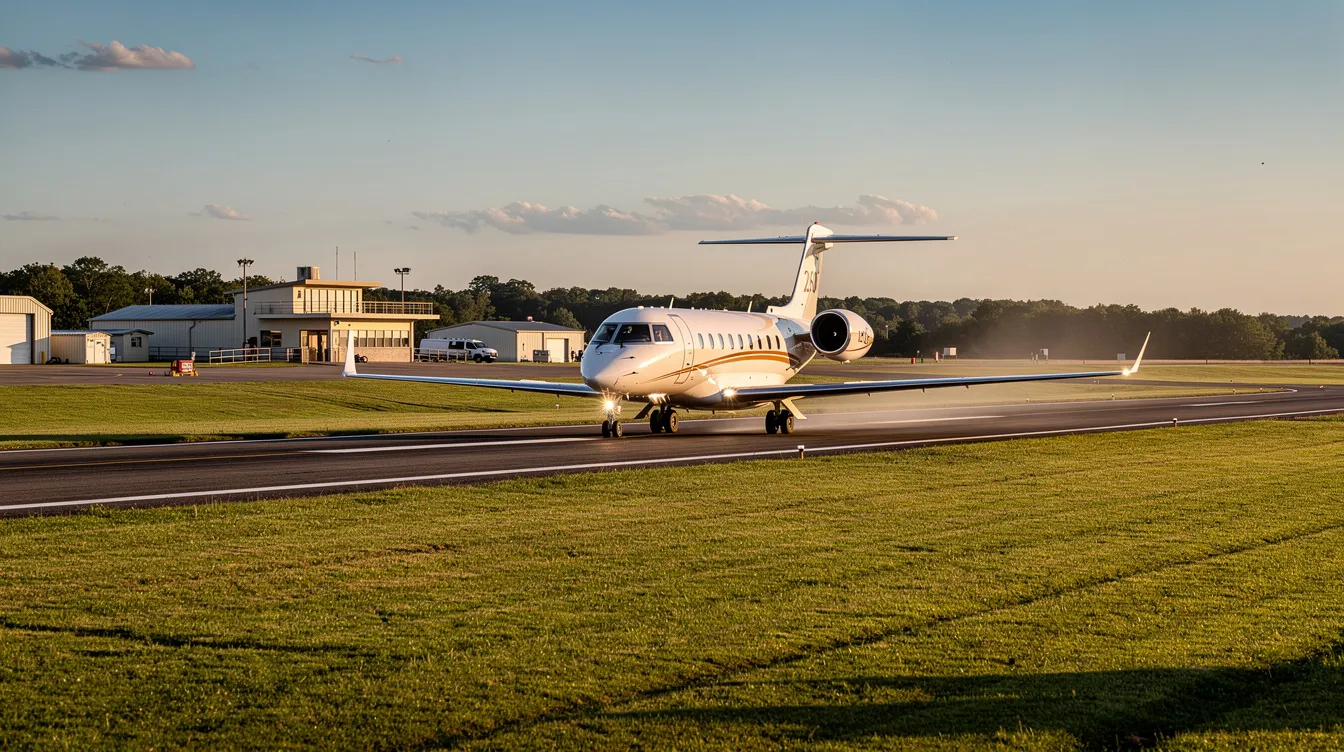
Speed varies based on aircraft class:
Aircraft Category | Cruise Speed | Typical Range |
|---|---|---|
Turboprops | 250–330 mph | 500–1,200 miles |
Light jets | 400–480 mph | 1,200–2,000 miles |
Midsize jets | 450–530 mph | 2,000–3,500 miles |
Super midsize | 480–550 mph | 3,500–4,500 miles |
Heavy/long-range | 500–600+ mph | 5,000–7,000+ miles |
Example flight times: Miami to Nassau runs roughly 50 minutes on a light jet. New York to Dallas is about 3.5 hours on a midsize. Los Angeles to Vancouver is 3 hours on a super midsize.
Weather, headwinds, and ATC routing can shift these numbers, but private operations typically face fewer ground delays than commercial airlines. BlackJet advisors factor realistic block times into annual planning so client timetables stay accurate.
Motivations for private jet travel split along two lines: executives maximize productivity and schedule density, while families prioritize flexibility, privacy, and comfort. BlackJet serves both individual high-net-worth travelers and corporate accounts with tailored scheduling and fleet options.
Private jets allow access to over 5,000 airports in the U.S., opening shorter routes to more airports near popular business centers and leisure destinations alike.
Typical business scenarios include:
Same-day trips to multiple plants or offices
Investor roadshows
Urgent site visits
Private jets provide a comfortable workspace for in-flight meetings, and passengers enjoy exclusive cabin space with the privacy required for confidential discussions. Private jets offer greater privacy than commercial airlines, which matters for board-level conversations and deal negotiations.
Consider a regional CEO visiting offices in Chicago, Detroit, and Cleveland. By commercial airlines, this itinerary spans two days with connections and overnight stays. Via a private jet experience, all three stops fit into a single day with time to spare. Private jet charters provide personalized travel experiences that allow business travelers to structure their day around objectives rather than airline schedules.
BlackJet's predictable access model helps corporate travel departments manage recurring routes and budget against consistent hourly rates.
Family use cases include:
School holidays
Multi-generation trips
Ski weekends
Summer escapes
Last-minute getaways
Private jet charters can accommodate more luggage than commercial flights—skis, golf clubs, strollers, and oversized bags all travel in the hold without fees or restrictions. Traveling with pets in a private jet is often simpler than in commercial airlines, with animals riding in the cabin alongside the family.
Popular leisure routes include New York to Aspen, Los Angeles to Jackson Hole, and Miami to Turks and Caicos. Private jets save significant time compared to commercial flights on these routes, where connections and regional airport limitations often add hours to the journey.
Fractional and membership programs balance predictable peak-holiday access with the flexibility for ad-hoc leisure trips throughout the year—a combination that pure charter cannot reliably offer.

In the United States, private aircraft operations fall under FAA regulatory frameworks: Part 91 for aircraft owners, Part 91K for fractional ownership programs, and Part 135 for charter operators, and robust liability and insurance coverage in fractional ownership is essential across all of these frameworks. Each framework sets different standards for pilot duty times, maintenance, insurance, and operational specifications.
Third-party safety audits—ARGUS Platinum, Wyvern Wingman, IS-BAO Stage 3—represent the gold standard for vetting operators. BlackJet partners with vetted operators and manages safety and regulatory compliance oversight on behalf of fractional owners and members. Private jets maintain a lower simulated cabin altitude pressure than commercial airliners, contributing to reduced passenger fatigue on longer flights.
Before booking any private charter or joining a program, conduct due diligence:
Verify the operator's FAA certificate (Part 91K or Part 135)
Review aircraft maintenance history and records
Confirm insurance coverage for hull and liability
Ask about crew experience, minimum flight hours, and type ratings
Inquire about duty time limits and minimum weather standards
Understand the substitution aircraft policy for maintenance events or scheduling conflicts
A charter broker arranges flights but may not own or operate aircraft. An operator controls the aircraft, crew, and maintenance. A fractional program like BlackJet sits between these roles: managing operations, regulatory compliance, and scheduling, while the client holds an ownership stake or structured access agreement, all governed by fractional jet ownership contract terms that define rights, costs, and exit options.
First-time private flyers should schedule a consultation to walk through safety and service questions before committing to any program.
BlackJet Fractional Jet Ownership offers two core models designed for different usage levels:
Reserve Fleet: Non-equity, pay-as-you-go access for clients who need flexibility without ownership commitments—ideal for 25–75 hours per year.
Equity Fleet: Fractional ownership with an equity stake, priority scheduling, custom aircraft sourcing, and potential tax benefits—designed for 50–150 hours per year.
Key differentiators versus traditional charter and generic jet cards include tailored fleet selection, annual cost forecasting, and strategic tax planning for U.S. business use. BlackJet coordinates scheduling, aircraft management, crew, and maintenance so clients focus on travel outcomes rather than logistics. For a look at the top business jet companies in this space, BlackJet's approach stands out for its dual-model flexibility.
Reserve Fleet functions as an alternative to jet cards and on-demand charter, providing access to a curated network of private aircraft at competitive fixed hourly rates. Clients avoid large upfront deposits and long-term commitments while still receiving consistent service standards and transparent pricing.
Example: A company flying 30 hours per year across the eastern United States for project-based travel uses Reserve Fleet access to secure midsize jets at locked-in rates without the capital commitment of fractional ownership. For clients whose usage grows, Reserve Fleet serves as a natural stepping stone into Equity Fleet fractional ownership.
Equity Fleet is BlackJet's fractional aircraft ownership model. Clients purchase a share—typically translating to a set number of annual flight hours—with scheduling and aircraft type tailored to their routes. The equity stake provides asset-backed value and potential U.S. tax benefits for qualifying business use, including depreciation under current IRS rules, so owners should understand tax implications for fractional jet ownership when structuring their participation. (Individual tax situations vary; consult a tax advisor.)
Example: Consider a regional CEO flying 120 hours per year between New York, Atlanta, and Chicago. A midsize jet share through Equity Fleet provides priority access on a known aircraft class, predictable monthly management fees, and fixed hourly usage charges—eliminating the rate volatility and availability uncertainty of charter while building equity in an appreciating or stable asset class.
The best program choice depends on actual travel patterns, not assumptions. Start by gathering the last 12–24 months of travel data:
Total hours flown
Common route pairs
Number of passengers per trip
Flexibility requirements
Seasonal patterns
BlackJet advisors create side-by-side models comparing charter-only, jet card, fractional ownership, and Reserve/Equity Fleet scenarios against this real data, helping you see the complete cost of fractional jet ownership next to alternative access models. The goal is to evaluate cost per productive hour saved—factoring in time savings, schedule flexibility, and reduced travel friction—not just cost per flight hour in isolation.
Before committing to any program, work through these questions and review an aircraft fractional ownership sample contract with counsel to understand how different providers structure rights and obligations:
How many flight hours did you log in the last 12 months, and what do you expect in the next 12?
What are your typical routes, and do they include international routes or primarily domestic legs?
How many passengers travel on an average trip? Do you need group travel capability?
What aircraft type matches your most common mission profile?
Is budget predictability more important than securing the absolute lowest per-trip price?
Do you travel during peak demand windows where guaranteed availability matters?
How much notice do you typically need—same-day, 8 hours, 24 hours?
Are you eligible for business-use tax benefits on a fractional share?
Ask any provider how they handle peak days, diversion airports, maintenance events, and substitution aircraft. BlackJet builds these answers into custom ownership or membership proposals for each client, ensuring no surprises in the first year.
There is no single best way to fly private. The optimal solution depends on hours, routes, passenger loads, and financial priorities. What works for a CEO flying 120 hours between three cities is very different from a family flying 40 hours for leisure throughout the year.
BlackJet Fractional Jet Ownership specializes in helping clients move from occasional charter to structured, efficient private aviation usage—whether that means Reserve Fleet access for cost-effective flexibility or Equity Fleet ownership for long-term value and priority scheduling.
The global private aviation market is valued at approximately $36.8 billion in 2025 and projected to reach $68.4 billion by 2034. The fractional segment is growing faster than full ownership, particularly among clients in the 50–200 hours per year band. Demand is not slowing down, and access is not getting simpler on its own.
Ready to explore the smarter way to fly private? Visit FractionalJetOwnership.com to learn how fractional ownership can transform your travel experience. Schedule a confidential consultation, review your current travel patterns, and receive a custom cost comparison tailored to your routes, hours, and priorities.
