June 16, 2026
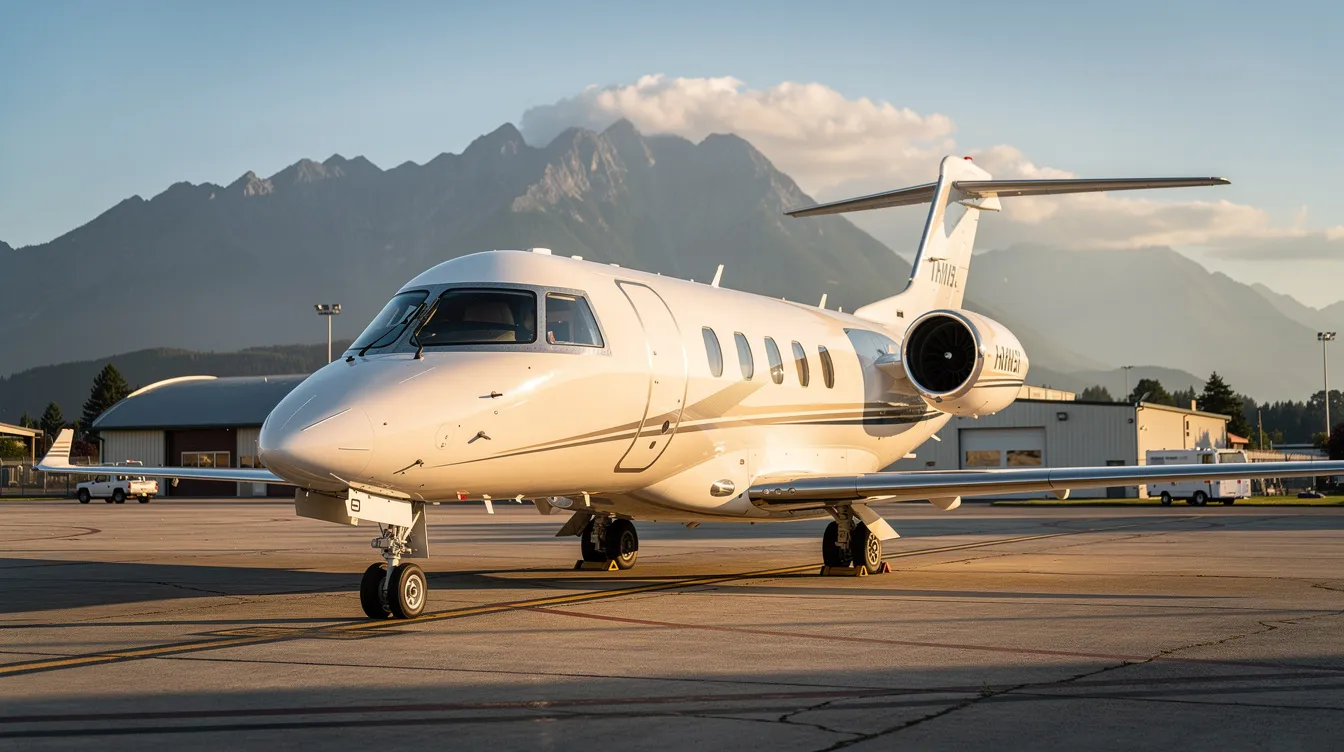
Private jet rental costs range from $2,000 to $14,000 per hour in 2026, depending on aircraft size and mission. VIP airliners can cost $16,000 to $23,000 per hour for the largest cabin configurations.
A typical New York to Miami round trip on a light jet runs approximately $14,000–$18,000 before taxes and fees. Under BlackJet's Reserve Fleet or Equity Fleet fractional ownership programs, frequent flyers on this route often achieve a lower effective cost per flight hour by eliminating repeated repositioning and securing predictable rates.
The federal excise tax of 7.5% on domestic flights, segment fees, landing fees, and short leg fees can add 20–35% to base private jet rental pricing, a reality many first-time charter clients underestimate.
Travelers flying 25–150 flight hours per year can often reduce their effective private jet cost per hour by choosing fractional jet ownership with BlackJet instead of booking ad-hoc private jet charters, which carry variable pricing and peak-season surcharges.
BlackJet Fractional Jet Ownership focuses on predictable, transparent private aviation costs rather than simply quoting the lowest on-demand charter price, emphasizing long-term value and budget clarity for executives and business owners.
Picture a CEO in Los Angeles wrapping up a board presentation on a Tuesday afternoon. A critical client meeting in Dallas is set for Wednesday morning. Commercial airlines offer a 6:00 a.m. departure with a layover, arriving just barely in time. A private jet flight on a light jet departs at her convenience, lands at a regional airport fifteen minutes from the client's office, and gets her home the same evening. The question is not whether private jet travel saves time. It does. The question is: how much does it cost?
The answer in 2026 is that private jet costs typically fall between $2,000 and $15,000 or more per flight hour, and jet charter costs vary by aircraft type, route distance, and access model. That range is wide for good reason. A turboprop shuttling passengers on short regional flights operates in a fundamentally different cost bracket than a Gulfstream G650 crossing the Atlantic nonstop. This article breaks down private jet costs from three angles: on-demand private jet charter, full aircraft ownership, and fractional aircraft ownership through programs like those offered by BlackJet Fractional Jet Ownership.
BlackJet acts as a trusted advisor in this process, helping clients evaluate whether charter, jet card programs, or fractional ownership best fits their annual usage, preferred routes, and budget goals, and clarifying fractional jet ownership terminology and concepts so decision-making is straightforward. The sections ahead provide the specific numbers, fee breakdowns, and model comparisons needed to compare what it takes to charter a private jet with ownership and fractional options with confidence.
Before diving into the details, here is a concise reference of typical 2026 hourly rates by aircraft category and example trip costs, since charter costs typically range by aircraft class and mission profile:
Hourly Rates by Aircraft Type
Turboprop aircraft: $2,000 to $2,300 per hour
Very light jets: $2,750 to $3,500 per hour
Light jets: $2,900 to $3,500 per hour
Midsize jets: $3,800–$5,500 per hour
Super midsize jets: $5,100 to $6,500 per hour
Heavy jets: $8,000 to $14,000 per hour (hourly rates for heavy jets can exceed $14,000 on premium missions)
Ultra-long-range jets: $10,000–$15,000+ per hour
VIP airliners (Boeing Business Jet and similar): $16,000 to $23,000 per hour
Example Trip Costs (All-In Estimates)
New York to Miami on a light jet: approximately $14,000–$18,000 round trip
Los Angeles to Aspen on a light or super-light jet: approximately $18,000–$22,000 round trip
New York to London on a heavy or ultra-long-range jet: approximately $120,000–$170,000+ round trip
Key Pricing Notes
Most charter operators impose a 2-hour daily minimum for billable flight time on light jets. For ultra-long-range aircraft, minimums can reach 3–4 hours. This means very short hops may be billed at rates far exceeding actual flight time, inflating cost per mile significantly.
The "headline hourly rate" quoted by a charter company is rarely the final invoice. Federal excise tax, segment fees, airport landing fees, crew expenses, and fuel surcharges typically increase costs 20–35% above that base hourly rate.
BlackJet helps clients benchmark these private jet charter prices against the economics of its Equity Fleet and Reserve Fleet programs, so travelers can see exactly where on-demand charter stops making sense, and fractional ownership begins delivering real savings.
Understanding private jet pricing starts with recognizing that no single number captures the full cost. Several variables interact to determine what appears on the final invoice, and knowing these drivers helps travelers avoid sticker shock.
The main factors behind private jet charter cost include:
Aircraft size and category: A turboprop costs a fraction of what a heavy jet charges. Larger business jets burn more fuel, require more crew, and carry higher insurance, maintenance, and operational support overhead than smaller aircraft.
Route distance and flight time: Longer routes mean more fuel burn, more billable hours, and potentially crew overnights.
Time of year and demand: Peak demand can increase charter prices by 20–40%, particularly during holidays and major events at popular destinations.
Departure and arrival airports: Major international airports charge higher landing fees and handling costs. Regional airports are often cheaper but may require aircraft positioning from farther away.
Operating model: An operator flying its own fleet under an air carrier certificate has different economics than a brokerage sourcing aircraft from third parties or a fractional operator like BlackJet managing a shared fleet.
The base hourly rate covers the aircraft, crew salaries, fuel, and basic insurance. Additional line items-repositioning flights, federal excise tax, landing and ramp fees, and overnight expenses for each crew member-are where total cost diverges significantly from that initial quote. Some operators provide an all-in fixed price per trip, while others send an itemized estimate where fuel surcharges and international handling fees appear as separate charges.
BlackJet structures its fractional jet ownership pricing around predictable hourly rates and clearly defined fixed fees. For frequent flyers, this approach reduces the cost volatility that makes ad-hoc private jet charter services difficult to budget.
Most private jet charter cost quotes are calculated using billable flight time, measured from wheels-up to wheels-down. This is not the same as total trip time, nor does it reflect only the distance the passenger travels. Repositioning legs, where the aircraft flies empty to reach the departure point or return to base, are also billed at or near the full hourly rate.
Daily minimums are standard across the aviation industry. A light jet typically carries a 2-hour daily minimum. If a passenger books a 45-minute hop, that flight is still billed as at least 1.0 to 1.5 hours. For ultra-long-range aircraft, minimums may reach 3–4 hours per day. These minimums exist because the fixed costs of preparing and dispatching an entire aircraft-crew scheduling, fuel, maintenance cycles-don't scale down for shorter flights.
Short leg fees apply for flights under 30 to 60 minutes. These additional charges cover the disproportionate wear from frequent takeoff-and-landing cycles and the operational overhead of very brief segments. For example, a 35-minute Boston to New York private flight on a light jet might be billed as 1.0–1.5 billable flight hours, making the effective cost per mile significantly higher than a longer leg on the same aircraft.
Under a BlackJet Reserve Fleet program, these short legs can be managed more efficiently. Because the fleet is positioned strategically and scheduling is coordinated across multiple members, the deadhead and short leg inefficiencies that inflate charter quotes are often reduced, improving the effective cost per billable flight hour for fractional owners.
Repositioning is one of the least understood but most significant drivers of private jet cost for ad-hoc charters. Aircraft positioning fees are charged when jets must relocate for a flight, and these fees can add substantially to the total invoice.
Here is how it works: a client in Omaha books a light jet charter to Chicago. The nearest available aircraft is based 60 minutes away in Kansas City. That 60-minute empty flight to Omaha is a repositioning leg, billed at the standard hourly rate even though no passengers are on board. After the Chicago trip, the aircraft returns empty to Kansas City-another repositioning charge. On a 90-minute mission, an extra 2 hours of repositioning can nearly double the cost.
Fractional jet ownership with BlackJet mitigates this exposure. By stationing aircraft across key U.S. regions and coordinating scheduling among members through flexible floating fleet structures, BlackJet's fleet management reduces the frequency and duration of empty repositioning. The result is a lower effective hourly rate for owners compared to ad-hoc chartering, particularly for travelers in cities not served by large charter fleets.
Empty leg flights-when repositioning aircraft offer one-way seats at a discount-can provide savings of 25–75% off standard rates. However, these flights are unpredictable in timing and routing, making them unreliable for business travelers who need specific schedules.
Private jet rental prices vary dramatically based on the aircraft category selected. Below is a breakdown of each major category, including representative aircraft, typical missions, and 2026 cost ranges. For a deeper dive into specific models, see the guide to types of private jets and prices, and for ownership economics, see understanding the total cost of fractional jet ownership.
Turboprops ($2,000–$2,300/hr): Aircraft like the Pilatus PC-12 handle short regional flights efficiently. A Dallas to Houston hop is a typical mission. Lower speed and range limit their use, but light jet costs are overkill for sub-500-mile segments where turboprops excel. For current turboprop economics, explore turboprop charter rates.
Very Light Jets ($2,750–$3,500/hr): Small-cabin aircraft such as the Cessna Citation M2 seat 4–5 passengers with ranges around 1,200 nautical miles. These are ideal for point-to-point business trips under two hours. For detailed pricing on this category, see very light jet price.
Light Jets ($2,900–$3,500/hr): The workhorse category for domestic private jet travel, with capacity for 6–8 passengers and ranges of 1,500–2,000 nautical miles. Aircraft like the Cessna Citation CJ3+ and Embraer Phenom 300 are common choices. Missions include New York to Chicago, Los Angeles to Aspen, or Chicago to Naples, Florida.
Midsize Jets ($3,800–$5,500/hr): The Citation XLS and Hawker 800XP are representative aircraft with stand-up cabins and 3–4-hour range capability. A midsize jet handles routes like Los Angeles to Denver or Atlanta to New York comfortably.
Super Midsize Jets ($5,100–$6,500/hr): Aircraft like the Challenger 350 and Citation Longitude provide coast-to-coast capability with larger cabins and more baggage capacity. A New York to Los Angeles mission is the classic use case.
Heavy and Ultra Long Range Jets ($8,000–$15,000+/hr): The Gulfstream G600, Bombardier Global 6500, and similar aircraft serve transcontinental and international flights. A New York to Tokyo nonstop flight is within reach for ultra-long-range models.
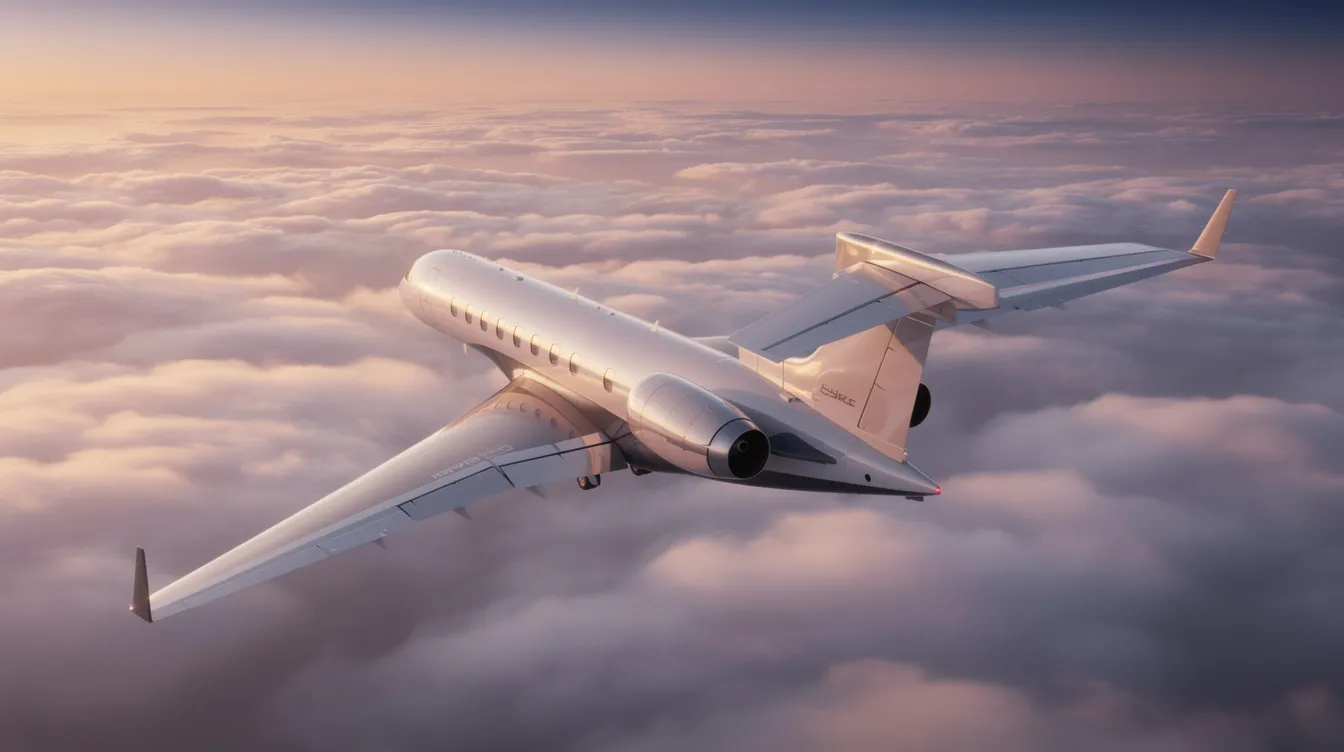
Light jets remain the most popular aircraft category for 2–3-hour domestic business trips across the United States. With typical 2026 light jet costs of $2,900 to $3,500 per billable flight hour, a 6–8-seat cabin, and ranges of 1,500–2,000 nautical miles, they cover the majority of business routes without the overhead of larger aircraft.
Consider a round trip from Los Angeles to Aspen. At approximately $18,000–$22,000 all-in (including taxes, positioning, and handling), this trip illustrates how light jet costs per trip differ substantially from the headline hourly rate once minimums, fuel surcharges, federal excise tax, and landing fees are factored in.
Under a BlackJet fractional program, an owner flying this route regularly may see a lower effective hourly rate. Guaranteed aircraft availability eliminates the scramble for positioning during peak ski season, and standardized fee structures remove the pricing volatility that makes ad-hoc chartering expensive during high-demand periods. For a complete cost analysis comparing charter to fractional, visit the fractional jet ownership vs charter comparison.
A midsize jet at $3,800–$5,500 per hour handles 3–4-hour domestic or short transcontinental flights efficiently. For executives who need more cabin space for work or rest, the midsize category offers stand-up headroom and a meaningful step up in comfort compared to light jets. Typical missions include cross-country flights from the East Coast to the Mountain West or hubs like Atlanta to Los Angeles.
Super midsize jets at $5,100 to $6,500 per hour are the aircraft of choice for coast-to-coast missions such as New York to Los Angeles. Their larger aircraft cabins accommodate extended meetings, and their baggage capacity handles full luggage for multi-day trips without compromise. The same aircraft type works well for international flights to the Caribbean or Central America.
Ultra-long-range jets command hourly rates from roughly $10,000 to $15,000 or more. Aircraft like the Gulfstream G600 and Bombardier Global 6500 are capable of nonstop flights between New York and Tokyo or Los Angeles and London. While the private jet cost is higher per hour, avoiding a fuel stop can save 2–4 hours of total travel time. For corporate travelers whose time carries significant opportunity cost, the premium for a nonstop flight is often worth it.
BlackJet helps clients match their aircraft share or usage plan to their most frequent route types. A business owner who primarily flies 90-minute legs between East Coast cities has no reason to pay for ultra-long-range capability. Conversely, a client who regularly crosses the Atlantic benefits from structuring fractional hours around the right aircraft category.
Advertised hourly rates for private jet charter services rarely represent the final cost. Mandatory government charges and operational fees add meaningfully to every private plane trip, and understanding these line items is essential for accurate budgeting.
Here are the key fee categories that affect private jet pricing:
Federal excise tax (FET)
Domestic segment fees
Landing and ramp fees
International handling fees
Crew overnight costs
Hangar fees and deicing
Fuel surcharges
For a typical U.S. domestic trip, these fees add 20–35% to the base charter quote. For complex international routing with multiple stops, the increase can be higher. With BlackJet's structured fractional ownership and membership programs, many of these costs are forecastable and integrated into program pricing models, giving businesses far better budgeting accuracy than open-market charter.
A 7.5% federal excise tax applies to all domestic flights operated under FAR Part 135 charter. This federal excise tax (FET) is calculated on the total charter amount, not just the base hourly rate. For a $15,000 charter flight, the FET alone adds $1,125. The Federal Aviation Administration also imposes a per-passenger segment fee of approximately $4.80 per departing flight segment in 2026.
Landing fees vary by airport, typically ranging from $100 to $1,500. At smaller regional airports, fees may be as low as $100–$200, based primarily on aircraft weight. At major international airports like JFK or Los Angeles International, landing fees can reach $1,500 or more depending on traffic level and aircraft category.
Ramp and handling fees are charged by the Fixed Base Operator (FBO) at each airport. These fees range from $150 to $500 per visit for services like ground handling, passenger lounge access, and aircraft marshaling. Some FBOs waive ramp fees when the aircraft purchases a minimum amount of fuel.
Here is what a realistic invoice might look like for a 2-leg light jet round trip between New York and Miami:
Line Item | Approximate Cost |
|---|---|
Base charter (2 legs × 2.5 hrs × $3,200/hr) | $16,000 |
Federal excise tax (7.5%) | $1,200 |
Segment fees (6 passengers × 2 legs × $4.80) | $58 |
Landing fees (4 airport touchdowns) | $600 |
Ramp/handling fees (4 FBO visits) | $800 |
Estimated Total | $18,658 |
BlackJet helps clients interpret and anticipate these fees upfront, so invoices align with initial expectations rather than delivering unwelcome surprises.
Fuel surcharges are variable add-ons triggered when Jet A fuel prices exceed a contractual baseline. Fuel surcharges start at around $300 per hour and can climb further during periods of elevated oil prices. Across a full trip, fuel surcharges typically add 10–15% to the total cost. Some operators calculate surcharges per flight hour, while others express them as a percentage of the base charter rate.
Short leg fees apply for flights under 30 to 60 minutes, as discussed earlier. These fees are particularly common on light jets and turboprops where the ratio of fixed operating costs to actual flight time is highest. A 25-minute charter flight may carry the same short leg fee as a 55-minute flight, making ultra-short hops disproportionately expensive.
Seasonal and peak-demand surcharges are another significant factor. Peak demand can increase charter prices by 20–40% during holidays, major sporting events, and high-traffic seasons. A New York to Miami charter flight in late December can cost 25–30% more than the same route in early February. Booking early can protect against seasonal price spikes of 20–40%, but many business travelers cannot plan that far ahead.
BlackJet's fractional programs provide more stable pricing across the calendar year, protecting frequent travelers from the most extreme seasonal spikes in private jet charter cost. Because fleet utilization and scheduling are managed across the member base, the cost volatility that plagues the open charter market is significantly dampened.
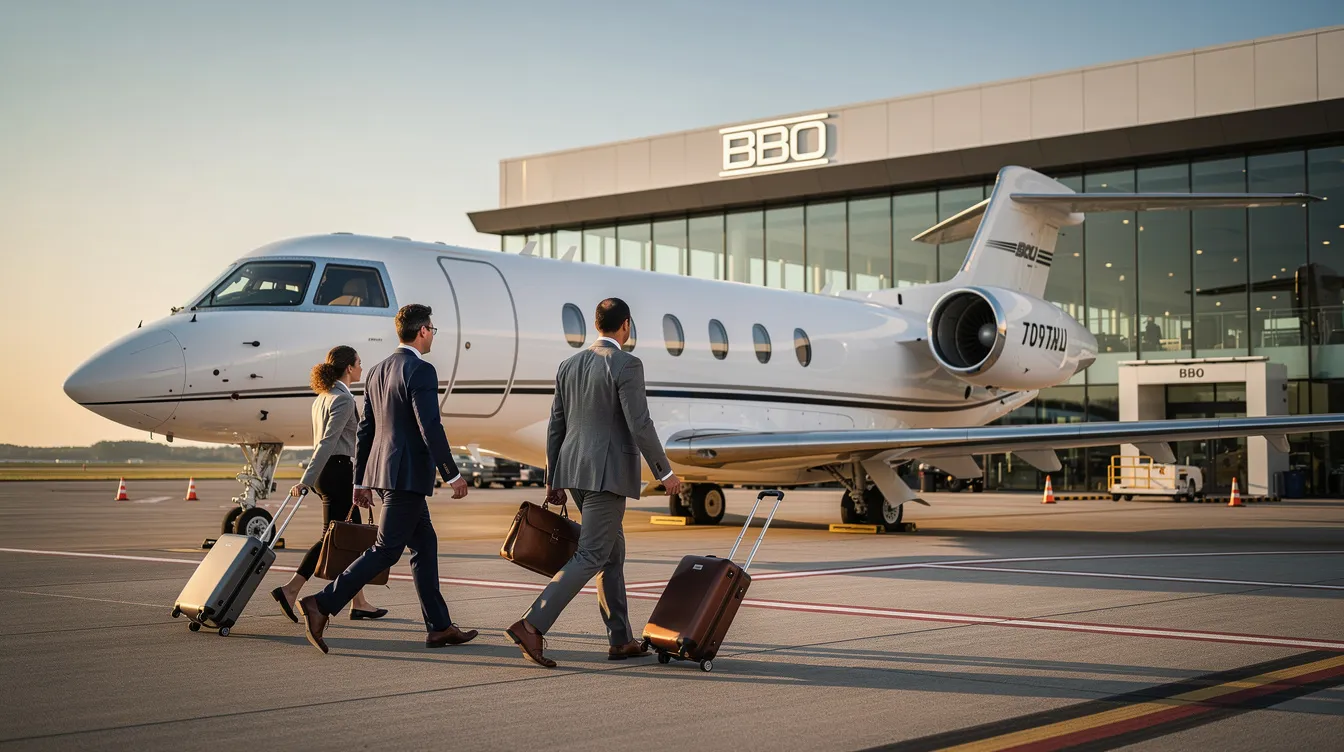
Private jet cost is heavily influenced by how a traveler chooses to access the aircraft. The three primary models-on-demand charter, fractional jet ownership, and full private jet ownership-each carry different cost structures, risk profiles, and operational benefits. For a comprehensive breakdown of these options, explore the private jet price list.
On-demand charter offers pay-per-trip access with maximum flexibility and no long-term commitment. It is the simplest entry point into private aviation. However, private jet charter prices are variable, regularly exposed to repositioning fees, and subject to aircraft availability constraints during peak periods.
Full private jet ownership is capital-intensive. Purchase prices range from $6–$9 million for a new light jet to over $60–$100 million for an ultra-long-range aircraft or a Boeing Business Jet. Annual operating costs-including crew salaries, training, insurance, hangar fees, maintenance reserves, and upgrades-often run from $500,000 to several million dollars. Owners can expect to fly between 50 to 400 hours per year, but only at the higher end of that range does full ownership become economically rational.
Fractional aircraft ownership sits between these two extremes. It is designed for clients flying roughly 25–150 flight hours per year who want the predictability and priority of ownership without the capital exposure and complexity of owning an entire aircraft. Membership programs provide guaranteed aircraft availability and simplified booking, while equity-based shares offer asset ownership and potential tax advantages.
BlackJet specializes in fractional jet ownership and membership solutions engineered for this middle ground, delivering predictable access and cost efficiency without the overhead of full private jet ownership, and helping clients evaluate fractional jet ownership as an investment relative to charter or whole-aircraft purchase.
Full ownership is generally considered only when annual usage exceeds 200–300 flight hours, and often 400 or more for corporations requiring a dedicated private plane at all times. Below that threshold, the fixed costs of maintaining a crew, insuring the aircraft, and keeping it hangared overwhelm the hourly savings.
Example ownership cost ranges illustrate the scale of commitment:
A new light jet at $6–$9 million, with annual operating costs approaching $1 million, including crew salaries, insurance, hangar fees, training, and maintenance
An ultra-long-range aircraft with a purchase price exceeding $60 million and annual costs of several million dollars
These figures do not account for depreciation risk, downtime during heavy maintenance, or the operational burden of managing crew scheduling, regulatory compliance, and aircraft engine maintenance. Many high-net-worth individuals who initially consider full ownership find that their actual usage-often 40–120 hours per year-is far better served by fractional ownership or a structured membership with a fractional provider like BlackJet. For travelers around the 100-hour-per-year mark, 1/8 fractional jet ownership structures often align closely with real-world demand. For a deeper financial comparison, see Understanding the Cost of Fractional Jet Ownership.
BlackJet offers two core models for accessing private aviation:
Equity Fleet: Fractional aircraft ownership where the client purchases a deeded share of a specific aircraft type. This provides equity, scheduling priority, and potential tax benefits such as depreciation and deductions for business-use flights, including expensing under Section 179.
Reserve Fleet: Non-equity, pay-as-you-go private jet access with guaranteed aircraft availability. This model suits travelers who want predictable pricing without the upfront capital of ownership.
Fractional jet ownership requires an upfront investment of $500,000 to $1.5 million, depending on aircraft type and share size. Owners typically purchase a share corresponding to expected annual flight hours-for example, a 1/16 share for approximately 50 hours or a 1/8 share for roughly 100 hours. Each share includes a fixed monthly management fee and an occupied hourly rate charged only when the aircraft is in use, all detailed within an aircraft fractional ownership sample contract that defines rights and obligations among co-owners.
Fractional ownership is ideal for those flying over 100 hours annually, though it begins to make financial sense for some travelers at 25–50 hours per year, depending on route patterns and how frequently they fly to the same destinations. Fractional jet ownership offers guaranteed access to a specific aircraft type, eliminating the uncertainty that comes with sourcing a charter flight on short notice.
Effective private jet cost per hour under fractional ownership typically falls between ad-hoc charter rates and the true cost of operating a whole aircraft. For travelers between 25 and 150 hours per year, this is often the most cost-efficient access model. Potential U.S. tax advantages-such as accelerated depreciation on the equity share and expensing under Section 179-can further improve the economics, though clients should consult their own tax advisors for guidance specific to their situation and review the tax implications for fractional jet owners in depth. For details on financing structures, visit fractional jet ownership financing.
BlackJet positions itself as a long-term strategic partner, helping clients model total 5–10-year private aviation spend across charter, jet card, and fractional ownership scenarios to identify the optimal structure.
Raw dollars per ticket rarely tell the whole story when comparing a private jet flight to first- or business-class on commercial airlines. The real comparison involves total time, total cost (including ground transportation, hotels, and lost productivity), and flexibility.
Private jets access over 5,000 airports in the United States, compared to roughly 500 served by commercial flights. This difference alone eliminates hours of ground transfers, overnight stays near hub airports, and the time lost to security lines, delays, and connections. For executives, the ability to work in a private, secure environment during flight time translates directly into measurable productivity.
Consider a team of 6 executives flying from multiple regional cities to a client location served only by regional airports with limited commercial schedules. Chartering a light jet or using fractional hours with BlackJet may cost $3,000–$4,000 per person each way-comparable to commercial business-class fares when last-minute booking premiums, multiple tickets, and hotel stays are factored in. Flying private can match commercial business-class fares on group trips, and the time savings on a 6-person team trip can represent tens of thousands of dollars in recovered executive productivity.
BlackJet focuses on optimizing both financial and time efficiency, helping clients identify the trips where private aviation delivers disproportionate value and the trips where commercial flight remains the smarter choice.
BlackJet Fractional Jet Ownership operates as a cost-clarity partner, not just a private jet service provider. The approach begins with transparent pricing and tailored program design built around each client's actual travel patterns.
BlackJet assesses each client's typical routes, passenger counts, and annual hours to recommend the optimal mix of fractional ownership, Reserve Fleet access, and occasional on-demand private jet charters. For a corporate client flying 120 hours per year-mostly between New York, Chicago, and Miami-the recommendation might look very different than for a family office principal flying 50 hours per year across varied domestic and international destinations.
Guaranteed aircraft availability, standardized hourly rates, and clearly defined federal excise tax and fee structures allow businesses to forecast annual private aviation budgets with far greater accuracy than the open charter market permits. BlackJet's scheduling team works to minimize repositioning and short leg inefficiencies across the fleet, indirectly lowering effective light jet costs and midsize jet costs for all members.
Ready to see what your private jet cost would look like under a structured ownership or membership program? Visit FractionalJetOwnership.com to request a customized private aviation cost analysis and fractional jet ownership proposal.
The following FAQs address common cost and structure questions that arise when executives, business owners, and high-net-worth individuals evaluate their private aviation options for 2026 and beyond.
Fractional jet ownership tends to make financial sense starting around 25–50 hours annually for individuals and 50–150 hours for corporations. Below 25 hours per year, occasional private jet charters or jet card programs may still be more economical due to lower fixed commitments.
The tipping point depends not just on total hours but on trip patterns. A traveler flying the same route 20 times per year extracts more value from fractional ownership than someone flying 20 different routes once each, because fleet positioning and scheduling efficiencies compound with route repetition.
BlackJet typically analyzes three years of expected travel demand to recommend whether a fractional share or a Reserve Fleet membership is likely to reduce effective private jet cost per hour. Beyond raw economics, consider how many of those hours involve high-value trips where time savings and direct routing deliver substantial business or personal benefits.
In the United States, certain private jet costs related to bona fide business use may be deductible, but the rules are complex and depend on IRS regulations and corporate structure. Tax benefits include depreciation and deductions for business-use flights when properly documented and structured.
Equity-based fractional aircraft ownership can sometimes allow owners to claim depreciation on their share under current tax law, subject to limitations, bonus depreciation phase-outs, and proper documentation. Notably, Section 179 of the IRS tax code allows expensing of aircraft used for business purposes, providing immediate tax relief. State sales taxes on the acquisition of an aircraft share can also vary, adding 3–10% depending on the state of purchase or registration, and should be assessed alongside liability and insurance considerations in fractional jet ownership.
BlackJet does not provide tax advice but coordinates with clients' tax advisors to structure ownership in a tax-efficient way where appropriate. Always consult a CPA or tax counsel before assuming any specific level of deductibility for private jet flight expenses, and ensure you understand essential contract terms in fractional jet ownership that may affect tax treatment, resale options, and long-term obligations.
Jet card programs require a prepaid deposit-jet cards require a deposit of $50,000 or more for fixed rates-that purchases access to a pool of aircraft at set hourly rates, with no equity ownership. Cards are straightforward: deposit funds, book flights, and draw down the balance. They suit travelers who want to fly private without long-term commitments or capital outlay.
Fractional jet ownership involves purchasing a legal share of a specific aircraft type, combined with monthly management fees and an occupied hourly rate. This model typically provides stronger scheduling priority, access to the same aircraft or aircraft type consistently, and potential asset value at the end of the ownership term.
Jet cards are often better for irregular or trial usage, while fractional ownership is designed for consistent, recurring private jet flight demand. BlackJet can help clients compare both models and sometimes recommends a hybrid approach where fractional shares cover core routes and hours, supplemented with Reserve Fleet access for overflow demand. Travelers can also benchmark leading providers using a guide to the best fractional jet ownership programs. For a side-by-side comparison, see fractional jet ownership vs membership programs.
While last-minute private jet charters are possible-often with as little as 4–8 hours' notice-they can carry premium pricing, especially during peak travel dates and at busy airports. Booking early can protect against seasonal price spikes of 20–40% that are common during winter holidays, major sporting events, and global conferences.
For high-demand periods like late December travel from New York to South Florida, or summer routes to European hotspots, booking several weeks in advance helps secure preferred aircraft types at more favorable charter costs. BlackJet fractional owners benefit from guaranteed availability within defined notice periods, which insulates them from the steepest peak-demand surcharges encountered in the open charter market.
Coordinating recurring business routes-monthly board meetings, quarterly site visits, or regular client trips-as part of an annual flight plan maximizes both scheduling efficiency and cost predictability. BlackJet's advisory team can help structure these plans to align fleet positioning with anticipated demand.
Many sophisticated travelers combine commercial business-class flights for long-haul trunk routes with short private jet legs for last-mile access to smaller airports. This hybrid strategy optimizes both cost and convenience without requiring private aviation for every segment.
For example, an executive might fly commercial from London to New York, then use a light jet from Teterboro to a regional airport in the Southeast, balancing the economics of a transatlantic commercial ticket with the time savings of a private flight for the final leg. BlackJet advisors often help clients design these blended itineraries, using fractional or Reserve Fleet hours only where private aviation delivers the greatest value relative to its cost.
This approach is especially effective for global companies seeking to manage travel budgets while maintaining executive productivity and security on the segments that matter most, and for existing owners who may eventually sell a fractional jet ownership share as their travel patterns evolve or as they transition between programs.
Private jet cost in 2026 depends on three core decisions: the aircraft category needed (from turboprops to ultra-long-range jets), the access model chosen (on-demand charter, jet card, fractional ownership, or full ownership), and the trip profile (short regional flights versus intercontinental missions). There is no single answer to "how much does it cost to fly private," but there is always an optimal structure for a given traveler's needs.
While chartering remains the right choice for occasional travelers who fly private a handful of times per year, fractional jet ownership and structured membership programs consistently provide the best blend of cost efficiency, scheduling reliability, and budget predictability for those flying 25 to 150 flight hours annually. The cost advantages compound over time as repositioning exposure decreases, seasonal surcharges are moderated, and the owner builds equity in a tangible asset.
Think beyond headline hourly rates. The true cost of travel includes delays, overnight stays, ground transportation, and the productivity lost when a team of executives spends a full day navigating commercial airlines instead of arriving refreshed and ready to work. Private aviation is not just a cost line-it is a strategic investment in time.
Explore detailed pricing models and schedule a one-on-one consultation at FractionalJetOwnership.com to understand your personalized private jet cost options and find the ownership structure that fits your travel life.
