June 24, 2026
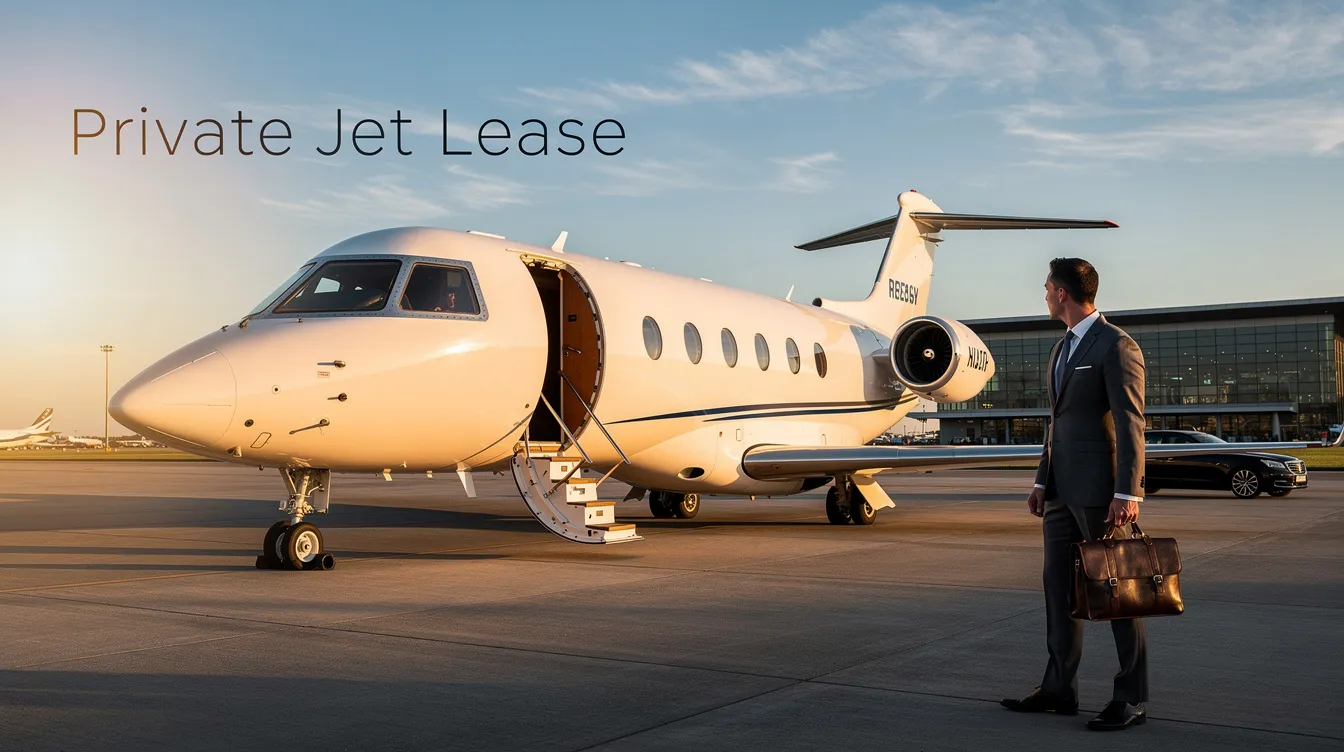
Leasing a private jet typically costs $500,000 to over $1 million annually before variable expenses—and for many travelers, that commitment may not be the smartest path to private aviation. Whether you run a corporate flight department, manage a family office, or simply fly frequently enough to consider dedicated aircraft access, understanding how a private jet lease works, what it truly costs, and how it stacks up against fractional ownership and membership programs is essential before signing a multi-year agreement.
A private jet lease grants the right to use a specific aircraft for a defined term (typically 12–60 months) without purchasing it. It best suits users flying 200–300+ flight hours per year with consistent routes and predictable travel plans.
In 2026, base monthly lease payments range from roughly $80,000–$160,000 for a light jet to $400,000–$1,000,000+ for large cabin jets and ultra-long-range aircraft, excluding variable costs.
Total private jet lease costs include fixed base rent plus variable expenses such as fuel, crew salaries, maintenance, and airport fees—often adding 30–60% to the base lease payment.
Many travelers who fly 25–150 hours annually are better served by fractional ownership or membership programs like BlackJet's Equity Fleet and Reserve Fleet, which provide access to aircraft with fewer hidden fees and lower fixed costs.
BlackJet Fractional Jet Ownership offers tailored consultations to compare leasing, fractional ownership, and membership solutions based on each client's actual flight profile.
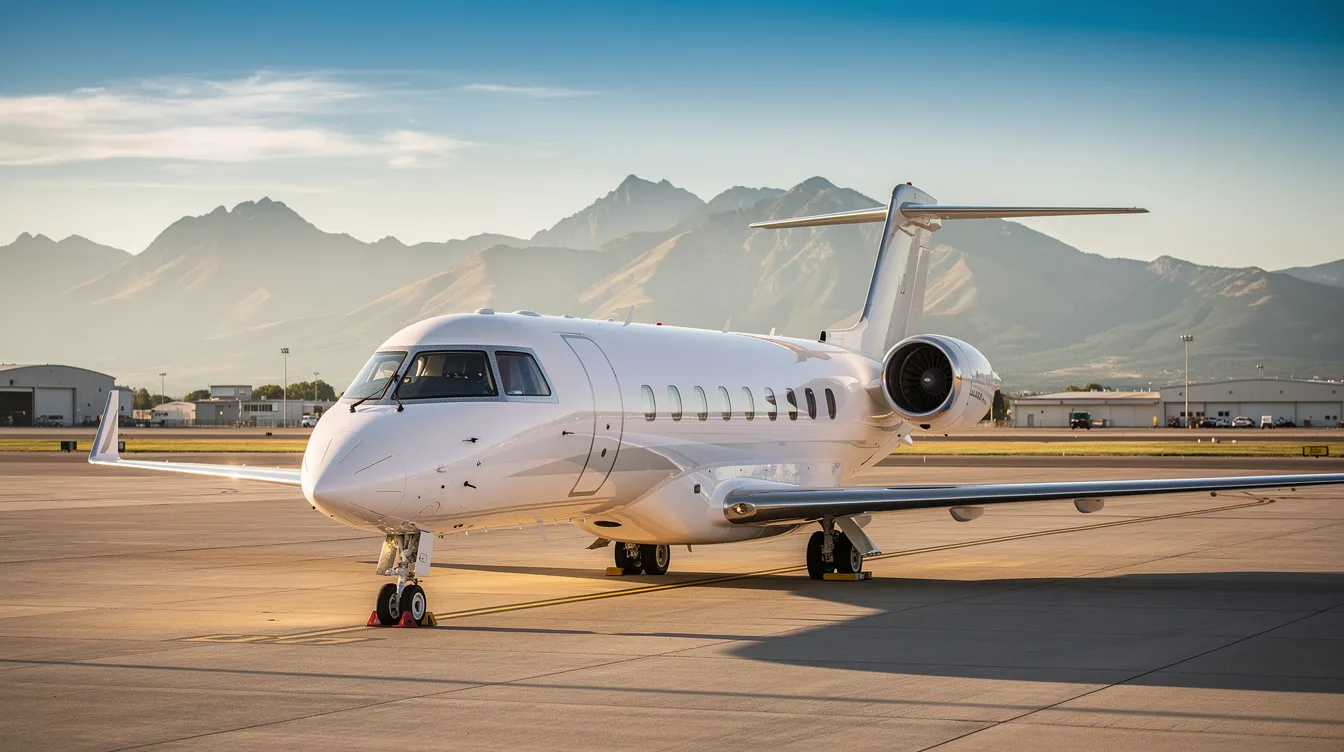
A private jet lease is a contractual agreement in which a lessee obtains the right to use a specific aircraft for a defined period—typically 12 to 60 months in the United States and Europe—without purchasing it outright. The lessor retains ownership, while the lessee pays a monthly lease payment and covers various operational costs depending on the lease structure.
Leasing typically requires a minimum commitment of 36 months, with contracted flight hours ranging from 50 to 300+ annually. The core appeal is straightforward: leasing a private jet offers convenience without ownership risks, providing predictable costs without massive capital expenditures.
Lessees gain dedicated aircraft availability that feels similar to outright ownership, with a known aircraft type, consistent cabin configuration, and often a familiar crew—all without the initial capital outlay of buying a jet valued at $5 million to $75 million or more.
The ideal lessee profile includes corporations flying executive teams regularly between hubs like New York, Dallas, and Los Angeles. Family offices with recurring U.S.–Caribbean routes and sports or entertainment groups with tour schedules demanding reliable private travel also fit this model.
For these users, the predictability and control of a lease can be highly attractive. However, the commitment is significant, and the financial exposure is best justified by those with high, consistent usage.
For private individuals and businesses flying fewer than 150 hours per year, BlackJet's Equity Fleet fractional ownership or Reserve Fleet membership programs often deliver comparable access with lower risk and greater flexibility than a full jet lease.
Travelers new to these models may benefit from reviewing a comprehensive glossary of fractional jet ownership terms to better understand program structures and costs.
Not all lease agreements are the same. The structure of a private jet lease directly impacts total cost, operational control, and responsibility. Leasing can be categorized into wet leasing and dry leasing, with further distinctions between short-term leases and long-term lease commitments.
Each structure fits different operator profiles, and understanding these differences is critical before committing. BlackJet Fractional Jet Ownership does not offer traditional wet or dry leases but instead provides fractional ownership and membership alternatives that deliver many of the same benefits without the operational burden.
Short-term leases typically run 3–24 months and are used for seasonal demand spikes, special projects, or trial periods. They offer flexibility for limited travel needs but carry higher monthly rates and sometimes stricter usage limits.
A 6-month lease on a midsize jet category aircraft, for example, will generally be priced at a premium compared to a multi-year arrangement.
Long-term leases typically span 36 months or more. A 36-month contract on a 2018 Gulfstream G550, for instance, will usually offer lower monthly rates and more favorable fixed costs in exchange for a long-term commitment and reduced flexibility.
Market demand and residual value assumptions strongly influence pricing—leases signed during the elevated demand period of 2024–2026 tend to reflect tighter supply and higher rates. Clients with uncertain future needs may be better served by fractional ownership—such as a 1/8th fractional jet ownership structure—or short-term leases rather than locking into a multi-year obligation.
Many lease agreements in private aviation are described as wet, dry, or ACMI, each defining who supplies the complete crew, maintenance, and insurance. Understanding these structures is essential before comparing a leased private jet to alternatives.
A wet lease includes aircraft, crew, maintenance, and insurance in one rate, with the lessee typically covering fuel, airport fees, and catering. Wet leases include aircraft, crew, maintenance, and insurance, making them operationally simple but more expensive per hour.
A dry lease provides only the aircraft—the lessee manages operations entirely, including hiring crew, arranging routine maintenance, securing liability insurance, and complying with FAA or EASA regulations. Dry leases require lessees to hire their own crew and cover maintenance, which means corporate flight departments or experienced operators often favor this structure for control, while first-time lessees usually gravitate to wet or ACMI options.
ACMI (Aircraft, Crew, Maintenance, Insurance) is a hybrid structure commonly used by charter operators, where the lessee handles fuel, ground handling, and route-specific international fees.
Readers should examine contract clauses carefully to understand which costs are included versus excluded, and compare these structures with BlackJet's managed fractional ownership, where operations, crew, and scheduling are handled by the provider.
Private jet lease costs in 2026 are shaped by aircraft type, age, lease duration, contracted flight hours, and broader market forces. Costs for leasing a jet vary based on size and type, and geographical location impacts lease costs due to varying airport fees, hangar rates, and crew expenses.
Understanding these factors is essential before negotiating a lease or evaluating alternatives such as fractional ownership, jet cards, and on-demand charter.
Aircraft type is the single biggest driver of private jet lease costs. A light jet like the Cessna Citation CJ3+ or Embraer Phenom 300 typically leases from roughly $80,000 to $160,000 per month in 2026, supporting missions under about 2.5–3 hours.
Midsize jets such as the Citation XLS+ or Challenger 350 command higher lease payments but add range and payload suitable for routes like New York–Denver or Los Angeles–Chicago. Super midsize jets push monthly costs to $250,000–$450,000+.
Large cabin jets like the Gulfstream G550, G600, or Bombardier Global 6000 support intercontinental flights but can exceed $400,000–$1,000,000 per month in base lease payments. Selecting the smallest aircraft type that reliably meets the mission profile helps contain both base lease costs and variable expenses.
Newer aircraft (2019–2025 deliveries) cost more to lease but can lower maintenance risk and improve fuel efficiency. Newer jets burn 15–20% less fuel per mile than older models, which directly reduces variable costs over a multi-year lease.
Older aircraft—an early-2000s Hawker 800XP or Challenger 604, for example—may offer lower monthly base lease payments but require higher maintenance reserves and more downtime.
Upcoming heavy inspections (C-checks, 96-month inspections) and engine overhauls can significantly affect lease pricing and may appear as specific contract clauses or maintenance reserves in the agreement. Review detailed maintenance logs and engine program enrollment before signing to avoid unexpected six-figure repair obligations.
For clients who do not want to assume maintenance risk, fractional ownership through BlackJet, where maintenance and scheduling are fully managed, offers a more predictable alternative. It is important to understand the total cost of fractional jet ownership when comparing it to a traditional lease.
Lease duration and contracted annual flight hours determine the effective hourly rate and overall financial commitment. Leasing typically requires an annual commitment of flight hours, and lease duration affects costs—longer leases usually lower monthly rates, particularly when signed during periods of softer market demand.
Including more guaranteed hours (200–300 per year instead of 100) often yields a lower per-hour cost but increases total spending and potential underutilization risk.
The 2024–2026 private jet leasing market reflects continued high interest in private jets after the pandemic, combined with limited new-aircraft supply and OEM production backlogs. This market demand pushes lease pricing upward and reduces discounting for lessees.
Readers should analyze realistic annual usage and compare these numbers with fractional ownership programs at BlackJet, which are optimized for 25–150 hours per year.
Leasing operations can be split into fixed and variable expenses, and understanding this division is crucial for budgeting. Fixed costs are owed regardless of how much you fly, while variable costs scale with each flight hour.
For many leased private jets, total lease costs can increase by 30–60% due to variable expenses layered on top of the base lease payment.
Leases often include monthly payments and preset hourly rates for budgeting. Here are typical 2026 base monthly lease ranges by category:
Aircraft Category | Approximate Monthly Base Lease (2026) |
|---|---|
Turboprops / Very Light Jets | $55,000–$110,000 |
Light Jets | $80,000–$160,000 |
Midsize Jets | $160,000–$300,000 |
Super Midsize Jets | $250,000–$450,000+ |
Large Cabin / Ultra-Long-Range | $400,000–$1,000,000+ |
Base lease payments are often calculated as a percentage of the aircraft's fair market value and may include scheduled annual escalations of 2–4%. Other fixed costs the lessee may bear include aircraft management fees, hangar or tie-down fees, hull and liability insurance, and recurring regulatory or registration fees.
These fixed costs apply whether the aircraft flies 50 hours or 300 hours per year—underuse dramatically increases the effective hourly cost.
For travelers flying 25–150 hours annually, BlackJet's Equity Fleet fractional ownership converts many of these fixed aircraft-level costs into predictable, shared program fees. Prospective owners should evaluate fractional jet ownership financing options alongside lease structures to determine the most efficient use of capital.
Variable costs scale with each flight hour. Key variable expenses include:
Fuel: 2026 estimates per flight hour—light jets average $1,800 to $3,000, midsize jets roughly $2,500–$4,500, and large cabin jets $4,000–$8,000+, depending on route and fuel prices. Fuel costs can add 30–60% to the total monthly lease payment.
Crew salaries: For dry lease structures, pilot salaries can range from $130,000 to $260,000 annually for captains, with first officers at $80,000–$150,000 and cabin attendants from $50,000–$100,000, plus per diem, hotels, and recurrent training.
Maintenance reserves: Average $200–$600 per engine hour flown.
Landing fees: Higher landing fees at major international airports.
Navigation charges
De-icing costs
Catering
Fuel surcharges
Other operational costs
Under BlackJet's model, clients see clearly defined hourly rates or program costs and do not manage crew salaries, maintenance invoices, or administrative expenses directly.
Leasing costs range from $500,000 to several million annually, depending on aircraft category, usage, and basing. These figures represent ballpark base lease payments before variable costs—actual quotes vary by age, condition, and market demand.
Light jets and turboprops often represent the entry point for private jet leases. Turboprops like the Pilatus PC-12 or King Air 250 may be leased for approximately $55,000–$110,000 per month, suitable for regional flights under 500–800 nautical miles.
Monthly lease costs for light jets—such as the Citation CJ3+, HondaJet Elite II, and Phenom 300—range from $80,000 to $160,000 depending on model year and interior configuration.
These aircraft typically seat 6–8 passengers and are ideal for city pairs like New York–Chicago, Dallas–Atlanta, or Los Angeles–Scottsdale.
For clients flying 25–100 hours per year on similar routes, BlackJet's Reserve Fleet or Equity Fleet options—including floating fleet fractional ownership models—can deliver comparable or lower effective hourly costs without long-term lease obligations.
Moving up in size dramatically increases base lease and operational costs, but also expands range and payload. Midsize jets like the Citation XLS+ typically lease for about $160,000–$300,000 per month.
Super midsize jets such as the Challenger 350 and Gulfstream G280 often fall in the $250,000–$450,000+ range.
Large cabin jets and ultra-long-range aircraft—the Gulfstream G550, G600, and Bombardier Global 6000—may command lease payments of $400,000–$1,000,000+ per month, especially on newer airframes.
A multinational firm with regular New York–London flights might consider a large cabin lease, whereas a U.S. regional company shuttling between Chicago, Houston, and Denver might optimize cost with a midsize jet or fractional program.
Organizations considering these cabin classes should evaluate whether a mix of fractional ownership, memberships, and on-demand charter through BlackJet offers a better balance and analyze fractional jet ownership as an investment to understand long-term cost, risk, and flexibility compared to a full lease.
A private jet lease is only one of several ways to gain access to private jet travel. The four main models—full lease, fractional ownership, non-equity membership, and on-demand charter—each handle fixed costs, variable costs, scheduling flexibility, and operational control differently.
Chartering offers pay-per-use flexibility without long-term commitments and allows access to over 20,000 aircraft worldwide, while leasing provides dedicated access to a specific aircraft model. Fractional ownership and memberships sit between these poles.

Model | Commitment Level | Fixed Costs | Variable Costs | Aircraft Access | Scheduling Flexibility | Operational Control | Best For |
|---|---|---|---|---|---|---|---|
Full Lease | High (12–60 mo) | High | High | Dedicated | High | High | 200–300+ hrs/year, corporations |
Fractional Ownership | Medium (3–5 yr) | Medium | Medium | Shared | Medium-High | Medium | 25–150 hrs/year, HNWIs, SMBs |
Membership | Low (annual) | Low | Medium | Shared | High | Low | 10–100 hrs/year, flexible users |
Charter | None | None | High | Any | Highest | None | Occasional flyers, one-off trips |
Leasing is a rational choice for corporations with predictable schedules exceeding 200–300 flight hours annually, sports teams on multi-year tours, or charter operators needing additional lift.
Leasing is more economical for users flying over 200 hours annually on consistent routes. Flight hour minimums are typically required in leasing agreements, and lessees assume operational oversight and regulatory compliance responsibilities, including maintenance compliance and sometimes full crew salaries.
Leasing can be more expensive than ownership in the long term for very high-usage operators, but lessees do not bear the risk of aircraft depreciation. Lease agreements may also provide accounting advantages by avoiding large capital expenditures.
Leasing allows access to modern and fuel-efficient aircraft without the initial capital outlay of a purchase. For those in this high-usage category, consider modeling a hybrid approach that combines a smaller leased aircraft with supplemental fractional ownership or memberships for overflow demand or empty leg flights when repositioning.
For many high-net-worth individuals and mid-sized businesses, the fixed costs and complexity of a full lease are not justified by their actual flight hours.
Fractional ownership allows shared access to private jets—owners typically purchase a share (for example, 1/8 or 1/16 ownership) for a set number of flight hours. Many flyers compare fractional jet ownership vs membership programs to decide which structure best fits their travel profile.
Fractional ownership can reduce costs compared to full ownership and offers guaranteed availability during peak travel times, plus benefits like aircraft interchangeability across multiple cabin classes and types.
BlackJet's Reserve Fleet pay-as-you-go model offers aircraft access across light jets, midsize jets, and large cabin classes without long-term lease commitments or asset risk. These programs spread fixed costs like crew salaries, hangar fees, and maintenance across many owners, which can deliver significant savings for flyers who do not need a dedicated aircraft full-time while reducing individual exposure to market demand swings and hidden fees.
Frequent flyers with 25–150 hours of annual travel should compare leasing against a tailored fractional ownership or membership program to find the right fit.
Private jet lease agreements are legally complex, and seemingly minor contract clauses can significantly impact long-term cost and flexibility. Similarly, fractional co-owners should review an aircraft fractional ownership sample contract guide to understand how rights and responsibilities are allocated.
Many lease agreements contain minimum annual flight hour commitments or payment floors, meaning a lessee may still pay for hours not flown. Hidden fees often arise from repositioning leg flights, fuel surcharges, maintenance pass-throughs, de-icing charges, and usage limits embedded in the agreement.
It can be helpful to benchmark these against the best fractional jet ownership programs when assessing overall value. Prospective lessees should collaborate with experienced aviation attorneys and consultants before signing any multi-year lease from a leasing company.
Usage limits and minimums: Underuse may trigger penalties or non-refundable fixed payments tied to a minimum commitment of contracted flight hours.
Maintenance and downtime: Who pays for scheduled inspections, how long-term groundings are handled, and whether replacement aircraft are provided or sourced at extra cost.
Return conditions: Required cosmetic condition, interior wear levels, and mechanical status at lease end can lead to significant bills if not planned for.
Insurance and liability: Clear language on hull coverage, liability insurance, crew oversight, and international operational risk, taking cues from the essential liability coverage considerations in fractional jet ownership.
Termination and renewal: Early termination rights, extension options, and any escalation clauses that may affect total financial exposure and unexpected costs, much like the considerations involved when selling a fractional jet ownership share or exiting a shared-use program.
How a private jet lease, fractional ownership, or membership affects taxes and financial reporting varies by structure and use case. Lease payments may qualify as fully deductible operating expenses when the aircraft is used primarily for qualified business travel and business purposes.
Expenses like fuel and maintenance can also be tax-deductible. Tax deductions can significantly reduce taxable income for businesses using private aviation.
However, tax depreciation benefits are not accessible through leasing—leasing avoids the depreciation benefits available through ownership. Fractional ownership may offer depreciation opportunities on the owner's equity interest, which can provide significant financial benefits, and prospective buyers should study the tax implications for fractional jet owners when modeling different structures.
Under current U.S. tax law, 100% bonus depreciation may be available for aircraft equity placed in service, making structure selection important for tax planning.
New accounting standards often require long-term leases to be recognized on corporate balance sheets, affecting debt ratios and covenants. The private jet leasing industry is also seeing growing attention to sustainability: sustainable aviation fuel can reduce lifecycle CO₂ emissions by up to 80%, carbon offset programs typically cost $5–$20 per ton of CO₂, and operators are becoming more aware of sustainable aviation fuel options.
Private aviation is increasingly adopting carbon offset initiatives and environmental projects, factors that may influence both residual values and operating costs going forward. Consult aviation-savvy tax and accounting professionals, and note that BlackJet's team can work alongside these advisors to design strategies aligned with financial goals.
BlackJet Fractional Jet Ownership positions itself as a trusted advisor among private jet companies in a market that includes providers like NetJets, Flexjet, Vista Global, and Wheels Up. BlackJet's two core models serve distinct needs:
Equity Fleet: Fractional ownership with priority access, custom aircraft sourcing, and potential tax benefits through depreciation of lease shares in the aircraft.
Reserve Fleet: Flexible pay-as-you-go hours with no ownership stake, ideal for frequent travel without a long-term commitment.
BlackJet evaluates client profiles—annual hours, typical routes (New York–Miami, Los Angeles–Aspen, London–Geneva), corporate vs. personal use, and budget—to recommend fractional ownership, membership, leasing, or hybrid approaches.
The result is guaranteed access, predictable scheduling, and centralized aircraft management, removing the need to manage crew, maintenance, and regulatory compliance personally. Compared to commercial air travel, clients gain time, privacy, and flexibility tailored to their actual needs.
Ready to explore the smarter way to fly private? Visit FractionalJetOwnership.com to request a consultation and receive a detailed comparison between private jet leasing and BlackJet's fractional and membership options.
Once lease terms are agreed, it often takes 30–90 days to finalize documentation, secure insurance, complete any required maintenance, and set up crew and operating approvals.
Aircraft already on an operator's certificate with crew in place can sometimes be delivered faster, while those needing interior refurbishment or major inspections may take longer. Clients needing immediate access can bridge the gap with fractional ownership hours or on-demand flights through BlackJet.
While the private jet leasing market standard is 12–36 months, short-term leases of 3–11 months are sometimes available for seasonal demand, special events, or interim fleet needs.
These carry higher monthly rates and may come with stricter usage rules or minimum flight hour commitments. For projects or seasonal flying under one year and under about 150 total hours, fractional ownership or a membership program can often offer better value.
Most traditional lease agreements are tied to a specific aircraft tail number and do not automatically allow upgrades or downgrades without renegotiating lease terms.
Some large fleet operators may offer internal exchange rights, but these are governed by contract clauses and may affect pricing. By contrast, fractional ownership and membership programs at BlackJet allow clients to routinely move between light jets, midsize jets, and large cabin aircraft based on each trip's passenger count and range.
Many lease agreements contain minimum annual flight hour commitments, meaning a lessee may still pay for hours not flown.
Significant underutilization can push the effective hourly cost much higher than originally forecast, particularly on leases of large cabin jets with substantial fixed costs. Clients with uncertain long-term needs should consider fractional ownership or Reserve Fleet access through BlackJet, where programs can be right-sized and adjusted as requirements evolve.
Neither option is inherently cheaper in all cases. Cost-effectiveness depends on annual flight hours, route consistency, aircraft size, and desired level of control.
High-usage operators exceeding 300–400 hours per year on predictable routes might find a well-structured lease cost-competitive. For most private individuals, family offices, and mid-sized companies flying 25–150 hours annually across varied routes and aircraft types, shared-use structures like BlackJet's Equity Fleet and Reserve Fleet often deliver lower all-in costs and greater flexibility than a dedicated lease.
Private jet leasing offers ownership-like access without a purchase, but it involves substantial fixed costs, operational complexity, and contractual detail. Factors such as aircraft type, lease duration, fixed costs, variable costs, and market demand all determine whether a leased private jet is the optimal solution or an unnecessarily expensive one.
For flyers in the 25–150-hour-per-year range, fractional ownership and membership programs—like those offered by BlackJet Fractional Jet Ownership—often strike a better balance of cost, flexibility, and simplicity.
Gather your recent travel data (cities, frequency, passenger counts, and budgets), then schedule a consultation with BlackJet to model leasing vs fractional vs membership scenarios side by side.
Visit FractionalJetOwnership.com to learn more, request a tailored cost analysis, and discover the smartest way to access private jets for your specific needs.
