July 22, 2026
Whether exploring pilot training, evaluating a small plane purchase, or weighing fractional jet ownership against chartering, the cost to fly a plane in 2026 ranges from about $120–$180 per hour for a two-seat trainer at a flight school to roughly $5,000–$9,000 per hour in a fractional jet program, with fuel, maintenance, and crew built into those operating costs. Aircraft type, annual utilization, fuel prices, and the access model all shape the final number. For prospective pilots, individual aircraft buyers, high-frequency private jet travelers, and companies flying 25–150 hours a year, this guide breaks down flight training costs, hourly operating expenses by aircraft type, fixed versus variable costs, ownership versus charter versus fractional pricing, tax benefits, and practical ways to control total aviation spend so you can choose the flying option that fits your mission and budget.
The actual cost per flight hour in 2026 varies dramatically depending on what you fly and how you access it. Here is a comparative snapshot across the most common aircraft categories in the United States:
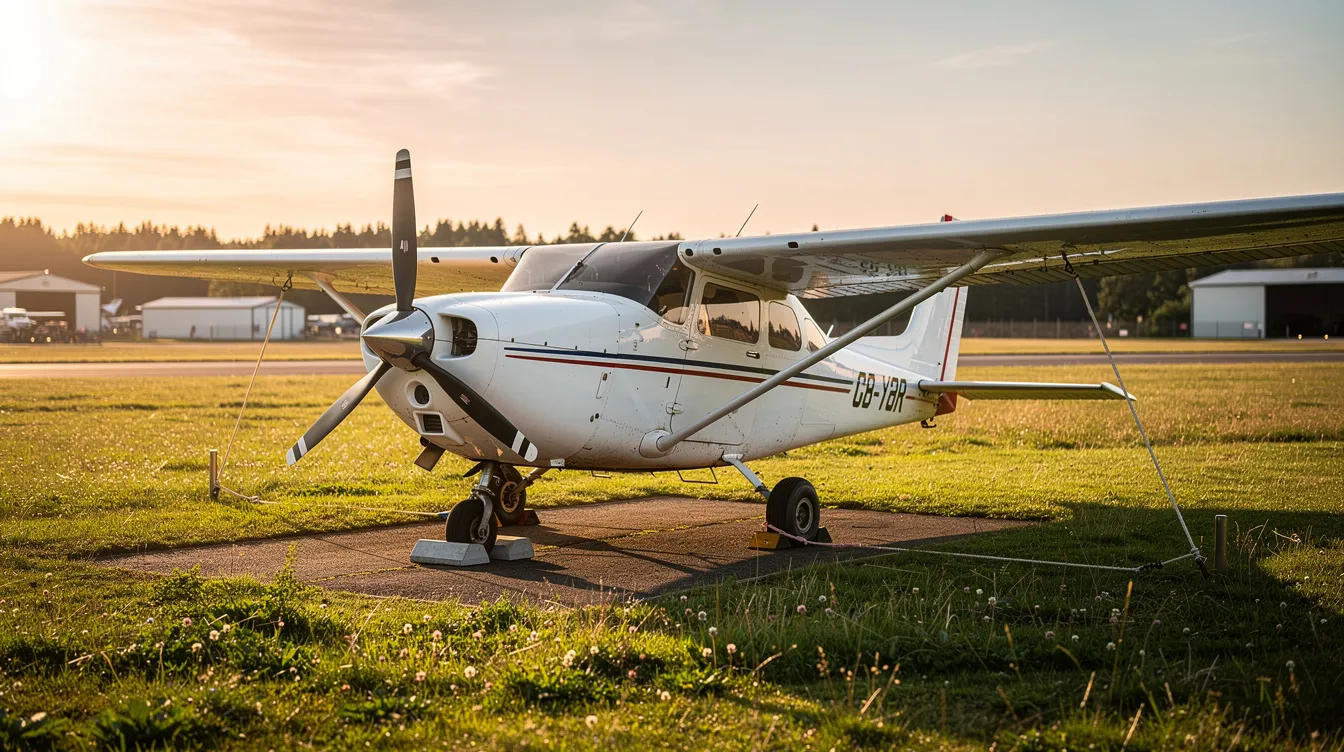
A two-seat trainer rented at a flight school typically runs $120–$180 per hour wet (fuel included). A four-seat piston aircraft like a Cessna 172 or Cirrus SR22, when owner-operated at roughly 100 hours per year, costs approximately $180–$300 per hour all-in. Turboprops such as the Pilatus PC-12 or King Air 250 land in the range of $1,200–$2,000 per hour for owner-operators once fuel, maintenance reserves, and insurance are factored in.
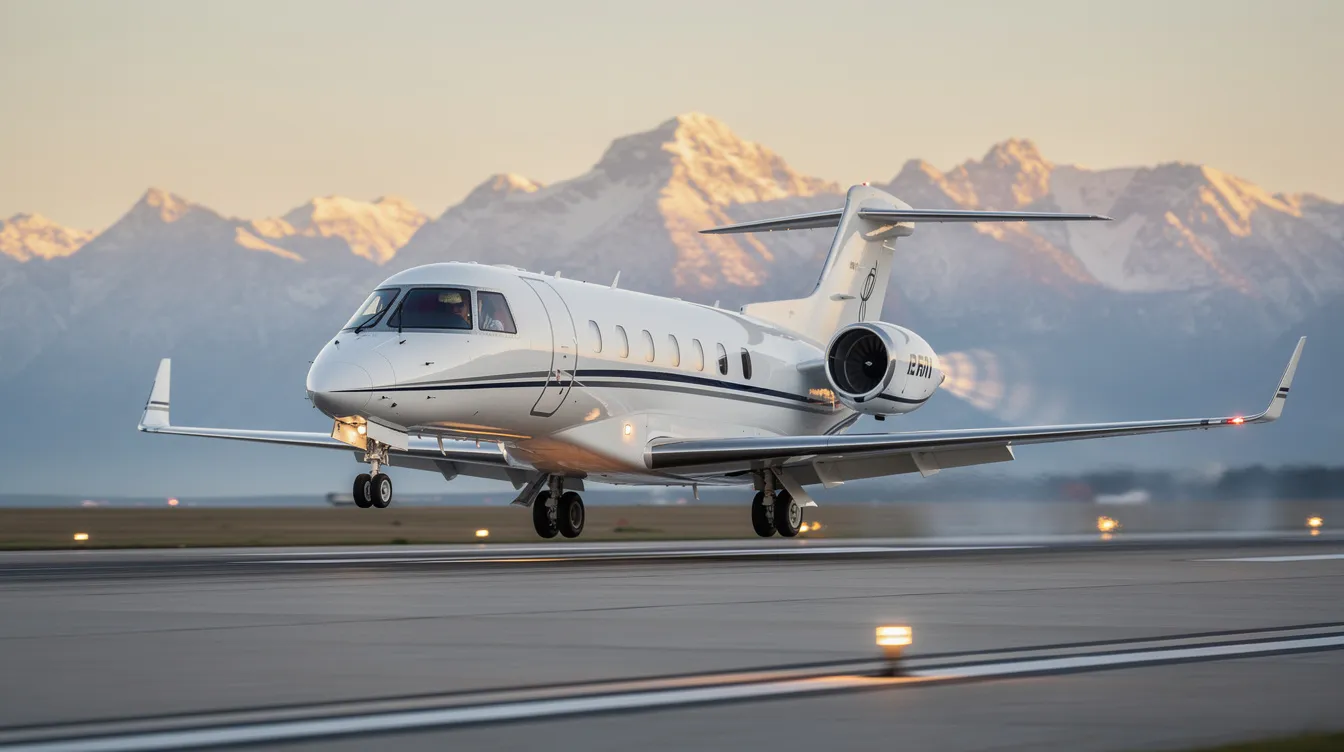
Light jets climb further. An owner flying a Citation CJ3+ or Phenom 300 between 250 and 350 hours annually can expect $2,500–$4,500 per hour when all operating costs are included. Fractional jet programs, including those offered by BlackJet Fractional Jet Ownership, typically run $5,000–$9,000 per flight hour all-inclusive depending on jet size and service level.
When industry professionals say "cost to fly a plane," they mean total operating costs: fuel costs, routine maintenance, landing fees, crew salaries, and fixed costs spread across expected annual flight hours. For most individuals and companies flying 25–150 hours per year, fractional aircraft ownership or structured membership programs are usually more economical than purchasing an entire airplane outright.
The cost of flying an aircraft is divided into fixed and variable costs. Fixed costs are incurred annually, regardless of flight hours, and include expenses such as hangar fees and insurance. Variable costs increase with each flight and include items like fuel, maintenance, and landing fees.
Every flight hour blends fixed costs and variable operational costs, regardless of whether the aircraft is a single-engine Cessna or a large-cabin Gulfstream.
Fixed expenses are incurred whether the plane flies or sits idle:
Hangar or tie-down fees (storage costs that vary widely by region)
Hull and liability insurance
Annual inspections, phase inspection costs, and regulatory compliance
Registration, chart and EFB subscriptions, and management fees for jets
Variable costs scale directly with how many hours the aircraft operates:
Fuel costs and oil consumption
Routine maintenance and unscheduled repairs
Landing fees and airport parking
Crew costs for larger aircraft or when hired pilots are required
Owners calculate a per-hour cost by dividing total yearly operating expenses by planned flight hours. A four-seat piston flown 100 hours per year with $20,000 in fixed costs and $100 per hour in variable costs yields roughly $300 per flight hour all-in. A light jet with $1 million in annual fixed expenses and $2,500 per hour in variable costs flown 300 hours reaches approximately $5,800 per hour. The same cost categories apply across every aircraft type; only the scale changes.
For readers considering pilot training before stepping into ownership or fractional programs, understanding flight training economics is essential. In 2026, the overall cost to earn a private pilot license in the United States typically falls between $12,000 and $22,000. The FAA minimum under Part 61 is 40 hours, but most student pilots need 55–70 flight hours to reach check ride proficiency.
Aircraft rental is the dominant expense.
Two-seat trainers generally cost $120–$180 per hour at wet rates.
Four-seat trainers used for cross-country work run $150–$220 per hour depending on whether the panel features analog gauges or a glass cockpit.
A flight instructor at a structured flight school charges $60–$90 per hour for dual instruction; independent CFIs sometimes work for $50–$75 per hour.
Online self-paced courses that include study materials cost $400–$800.
Classroom programs with simulator access can reach $1,000–$3,000.
Additional expenses include:
A quality aviation headset ($300–$1,000)
ForeFlight or similar EFB subscriptions
Medical certification
FAA knowledge-test fees
The check ride itself (typically $500–$800)
Simulators and Advanced Aviation Training Devices can legally replace a portion of required flight time, helping student pilots save money on aircraft rental.
Other strategies include flying two to three times per week to retain proficiency, preparing thoroughly before each lesson, and considering a flying club with lower monthly dues and hourly rates once the pilot's license is earned.
Some schools also offer financing and scholarship options that further reduce the barrier for additional ratings like instrument or commercial.
Single-engine planes like the Cessna 150, Cessna 172, and Piper PA-28 burn 7–10 gallons of avgas per hour.
With the national average for avgas hovering around $6.50–$8.50 per gallon in 2026, fuel alone runs $50–$85 per hour.
Add maintenance costs, engine overhaul reserves, insurance, and hangar fees, and all-in owner costs at 100 hours per year reach roughly $180–$300 per flight hour.
Small aircraft like these remain the most affordable path into aircraft ownership.
Turboprops step up considerably.
A Pilatus PC-12 or King Air 250 consumes 60–90 gallons per hour of Jet-A.
Variable costs including engine programs and airframe maintenance push direct operating costs to $1,200–$2,000 per hour.
Many owners at this level also employ professional pilots, adding crew salaries to the annual budget.
Light and midsize business jets such as the Phenom 300, Citation CJ3+, or Challenger 350 burn 150–250 gallons per hour.
When flown 250–350 hours annually, total operating costs including fuel burn, engine reserves, crew, and fixed cost contributions reach $3,000–$6,000 per hour.
These figures represent owner-operator economics.
Charter rates for the same aircraft are typically 30–100% higher because operators must cover their own overhead and profit margin.
Specialized planes or ultralight aircraft fall outside these bands and carry their own unique cost profiles.
For a four-seat piston flown 100 hours per year in the United States, annual fixed expenses typically include:
Hangar or tie-down: $1,200–$8,000 depending on airport location (rural airports vs metro fields)
Insurance: $1,000–$3,000 based on pilot experience and hull value
Annual inspections and compliance: $1,000–$3,000 per year
Subscriptions, charts, and admin: several hundred dollars
Variable costs layer on top:
Fuel at $50–$85 per hour
Maintenance reserves of $25–$80 per hour
Modest landing fees
Total yearly operating expenses for a simple piston single can range from $15,000 to $30,000.
For a light jet flown 250–350 hours annually, fixed costs escalate dramatically, and understanding the total cost structure of fractional jet ownership can help benchmark whether full ownership or a shared model delivers better value at those utilization levels:
Crew salaries and benefits for two pilots: $250,000–$400,000 per year
Hangar at a business aviation airport: $35,000–$80,000 per year
Hull and liability insurance: often 0.5–1% of hull value, meaning $50,000+ for a jet valued at $5–$10 million, with additional liability coverage considerations in fractional jet ownership when costs and risks are shared across multiple owners
Management and administration fees if using a third-party operator
Variable costs include:
Fuel at $900–$1,500 per flight hour
Engine program reserves of several hundred dollars per hour
Landing fees plus deicing charges on routes like Teterboro–Chicago–Los Angeles
The gap between small planes and jets is not just the hourly rate; it is the sheer weight of recurring costs that persist whether the jet flies or not.
On-demand charter is the most flexible option.
Travelers pay per trip with no long-term commitment.
Light jet charter rates in 2026 typically run $5,000–$8,000 per flight hour all-in, and midsize jets can exceed $9,000.
These rates cover the operator's fixed overhead, crew, repositioning, and profit.
Jet card programs offer pre-purchased hour blocks at locked-in hourly rates with guaranteed availability tiers.
Cards eliminate the uncertainty of on-demand pricing and provide a consistent service experience, though minimum purchase requirements and peak-period restrictions apply.
Fractional aircraft ownership sits between chartering and full ownership.
Buyers purchase a share of a specific aircraft type, pay monthly management fees, and are charged an occupied hourly rate when they fly.
The program handles crew hiring, maintenance scheduling, insurance, and resale, and understanding the core fractional jet ownership terminology and concepts helps prospective owners evaluate these programs accurately.
Many companies flying under 150 hours per year use a blend of charter and fractional jet ownership to match aircraft size to each trip while controlling budgets.
While the per-hour price in these programs may appear higher than the pure operating costs of an owner-flown aircraft, they exclude the initial purchase price, depreciation risk, and the management time that many owners underestimate.
For most buyers evaluating the true cost of private aviation, the comparison must be apples-to-apples across all ongoing costs, weighing the benefits and considerations of fractional jet ownership as an investment against other access models.
Fractional ownership is designed for travelers who fly frequently enough to justify priority access but not enough to warrant purchasing an entire airplane.
The structure involves three cost layers:
The owner purchases a fractional share, commonly 1/16 (approximately 50 hours per year) or 1/8 (approximately 100 hours per year), of a specific jet within an Equity Fleet.
They pay a monthly management fee covering crew, hangar, insurance, scheduling, and fleet oversight.
Each flight incurs an occupied hourly rate for fuel, maintenance, and direct operating costs.
A 1/8 fractional jet ownership model typically provides around 100 flight hours per year while spreading these expenses among several co-owners.
Realistic 2026 numbers for a 1/8 share of a new light jet valued around $9 million:
The upfront share cost falls in the range of $1.1–$1.3 million
Monthly management fees run roughly $10,000–$18,000 depending on fleet and service level
Occupied hourly rates land between $2,500 and $4,000 per flight hour plus incidentals like catering and deicing
Prospective buyers should also consider fractional jet ownership financing costs and options alongside these headline figures. For a deeper breakdown, BlackJet's cost of fractional jet ownership guide walks through each component.
A Reserve Fleet or pay-as-you-go membership model provides hourly access without the upfront equity purchase, making it ideal for travelers logging 25–75 hours per year who want private jet convenience without a capital commitment. Some programs also use floating fleet structures in fractional ownership to increase aircraft availability and flexibility across a wider operating area.
On the tax side, U.S. owners of Equity Fleet shares may qualify for bonus depreciation and business-use deductions when the aircraft is used for business purposes. The tax implications are meaningful but require qualified tax counsel to navigate properly, and buyers should also understand essential contract terms in fractional jet ownership that govern costs, scheduling rights, and exit options. Verification of successful claims around deductions depends on documented business-use percentages and proper allocation of personal recreation hours.

Full aircraft ownership concentrates both acquisition and operating costs on a single entity. It makes financial sense primarily for operators who need 200–400+ flight hours per year on a consistent mission profile.
Purchase costs for a pre-owned light or midsize jet in 2026, such as a Citation XLS+ or Challenger 300, range from roughly $7 million to $15 million depending on age, total hours, avionics suite, and interior condition. A thorough pre-purchase inspection before committing capital is non-negotiable; aircraft condition and damage history directly affect both the purchase price and ongoing maintenance trajectory. New aircraft command even higher premiums but carry manufacturer warranty coverage, whereas shared aircraft rely on carefully drafted fractional ownership sample contracts to allocate responsibilities and protect each co-owner’s investment.
Annual fixed costs for a typical light jet run $800,000–$1.5 million, covering crew salaries, hangar, insurance, recurrent training, and professional management. Variable operating costs add $2,500–$5,000 per flight hour for fuel, maintenance reserves, and engine programs.
A simple comparison at 250 hours per year: an owned jet might cost $800,000 in fixed expenses plus $900,000 in variable costs (250 hours × $3,600 per hour), totaling approximately $1.7 million annually. Equivalent flying through a fractional program or well-structured membership can deliver similar per-hour economics without tying up $10 million or more in aircraft equity, making it the preferred path for many owners who want to avoid capital risk and resale uncertainty. Owners who eventually outgrow or change strategies must also plan for selling a fractional jet ownership share or disposing of a whole aircraft. A pre-purchase inspection at the acquisition stage only partially mitigates long-term ownership risk.
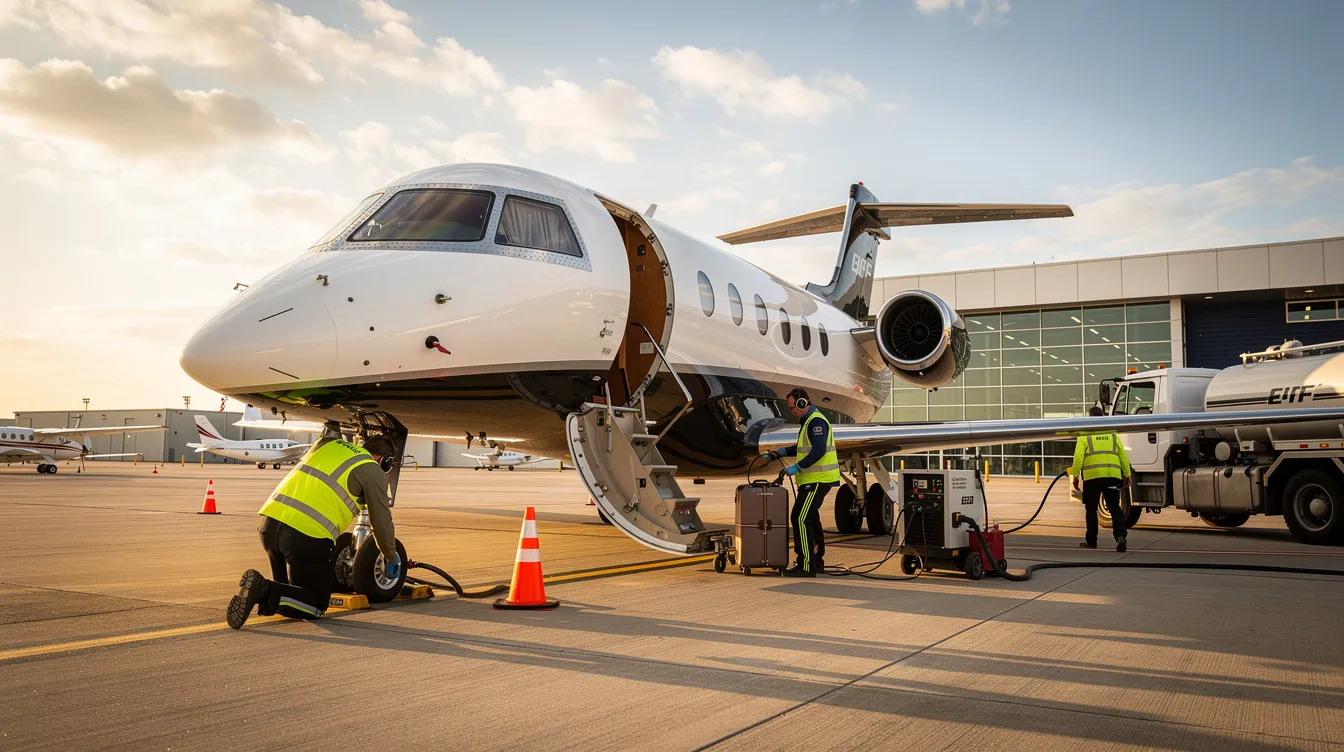
Landing and ramp fees: Vary by airport size and aircraft weight. Small GA fields and rural airports may charge $10–$30 per landing, while major business airports like Teterboro can charge several hundred dollars for jets. Some FBOs waive landing fees with a minimum fuel purchase; others apply separate handling charges.
Inspection costs and compliance: Extend beyond routine annual inspections ($800–$2,500 for pistons). Jets and turboprops face phase inspections at specific hour or calendar intervals that can cost tens of thousands of dollars. Mandatory avionics upgrades, including ads b transponders and datalink systems, add further expense over time. Renters insurance is another line item many overlook if they rent rather than own.
Deicing, catering, and repositioning: Hit hardest on business routes. Winter deicing for a midsize jet departing a Northeast airport can add thousands of dollars to a single departure. Premium catering and ground transportation inflate trip cost for corporate groups.
Training and currency requirements: Are a persistent ongoing cost. Jet crews need recurrent simulator training every 6–12 months at facilities like CAE or FlightSafety, typically costing $20,000 or more per pilot annually. These expenses are embedded in management or crew budgets but are real and cannot be deferred. Fuel prices, labor rates, and parts inflation also create upward pressure on various costs over time, making conservative budgeting essential.
Mission profile and utilization drive the economics of business versus personal flying.
For business travel, the value proposition centers on time. A private pilot or executive flying New York–Chicago–Dallas in a single day avoids overnight stays, connecting flights, and hours of unproductive airport waiting. Direct access to smaller airports near factories, offices, or client sites adds further efficiency. From a tax perspective, qualifying businesses can treat fractional aircraft ownership or jet usage as a deductible expense, often with bonus depreciation on Equity Fleet shares used primarily for business purposes.
For personal recreation and family travel, flexibility is the primary draw. Multi-stop itineraries covering Aspen, Napa, and Scottsdale in one week become practical rather than logistically painful. However, infrequent flying of 10–40 hours per year almost always favors charter, membership programs, or Reserve Fleet-style access over direct ownership. The fixed expenses of owning simply cannot be justified at that utilization level.
Consider a company flying 150 hours per year for regional meetings. Airline tickets plus lost executive productivity, overnight hotels, and scheduling inflexibility can rival or exceed the cost of a fractional or Reserve Fleet membership that provides point-to-point service with predictable per-trip costs. Evaluating the best fractional jet ownership programs for smart investors alongside these numbers can clarify which providers align with specific mission profiles. The economics of private aviation shift decisively in favor of private access once the hours and routes justify it.
Choose efficient, well-maintained trainers. Older analog-gauge single-engine planes with lower aircraft rental rates often teach the same fundamentals as glass-cockpit models at a fraction of the price.
Fly frequently, prepare between lessons with ground school review, and use simulators to reduce total hours needed for a private pilot license.
After earning the pilot's license, join a flying club with shared monthly dues and reduced hourly rates, or explore co-ownership of a small aircraft to cut per-hour costs.
Base at cost-effective airports. Many owners save thousands annually by choosing a field with lower hangar fees and landing fees, even if it means a slightly longer drive.
Follow proactive maintenance schedules to prevent expensive deferred repairs from compounding.
Consider shared ownership or leaseback to a reputable flight school to offset fixed costs, while monitoring utilization and aircraft condition closely.
Right-size the aircraft to each trip. A light jet handles a two-hour hop far more efficiently than a large-cabin aircraft designed for transcontinental range.
Evaluate whether a Reserve Fleet membership, jet card, or fractional jet ownership plan delivers more predictable hourly rates and eliminates surprise expenses compared to ad-hoc charter or other aircraft arrangements.
A: Key factors include aircraft type, annual utilization, fuel prices, maintenance needs, crew salaries, and whether you own outright, use fractional ownership, or charter. Fixed costs like hangar fees and insurance also impact overall expenses.
A: For travelers flying 25–150 hours annually, fractional ownership often reduces capital outlay and spreads fixed costs among multiple owners, delivering predictable access with lower financial risk compared to full ownership.
A: Earning a private pilot license in 2026 typically costs between $12,000 and $22,000, including flight instruction, aircraft rental, ground school, exams, and check rides.
A: Small piston aircraft average $180–$300 per flight hour all-in, while light jets in fractional programs range from $5,000 to $9,000 per hour, reflecting higher fuel, maintenance, and crew expenses.
A: Yes, simulators and Advanced Aviation Training Devices (AATDs) can count toward required flight hours, allowing student pilots to practice procedures affordably and reduce overall rental time.
A: Owners should budget for landing fees, deicing, catering, inspections, recurrent training, and unexpected maintenance, which can add significantly to the base operating costs.
A: Fuel often represents 25–35% of total operating expenses and can fluctuate widely, making it a major variable cost that directly impacts hourly flight costs.
A: Yes, U.S. owners using aircraft for business may qualify for bonus depreciation and deductions, but these require proper documentation and qualified tax advice.
A: Full ownership is generally cost-effective for operators flying 200–400+ hours annually with consistent mission profiles that justify the high fixed costs.
A: Strategies include choosing efficient aircraft, basing at cost-effective airports, proactive maintenance, flying frequently to maintain proficiency, and selecting the right access model based on usage.
The cost to fly a plane depends on aircraft type, annual hours, and whether you own, rent, or access jets through fractional and membership solutions. There is no single answer, but there is a right answer for each traveler's specific mission.
Student pilots should focus on efficient aircraft rental, disciplined ground school preparation, and smart use of simulators. Prospective aircraft owners must plan for both ownership costs and variable costs over a 5–10 year horizon, accounting for depreciation, maintenance inflation, and the final cost of eventual resale. High-frequency travelers and businesses flying 25–150 or more hours per year often find the most value in fractional aircraft ownership or structured membership programs that align cost with actual usage.
BlackJet Fractional Jet Ownership offers both Reserve Fleet access, providing pay-as-you-go private jet hours without equity commitment, and Equity Fleet fractional ownership with scheduling priority and tax benefits. Both models are designed to make the true cost of private aviation more predictable, transparent, and proportional to how often you actually fly.
Ready to see how the numbers work for your routes and schedule? Visit FractionalJetOwnership.com to request a personalized cost comparison between full ownership, charter, and BlackJet's fractional or membership programs, and take the next step toward smarter private aviation.
