Latest Articles
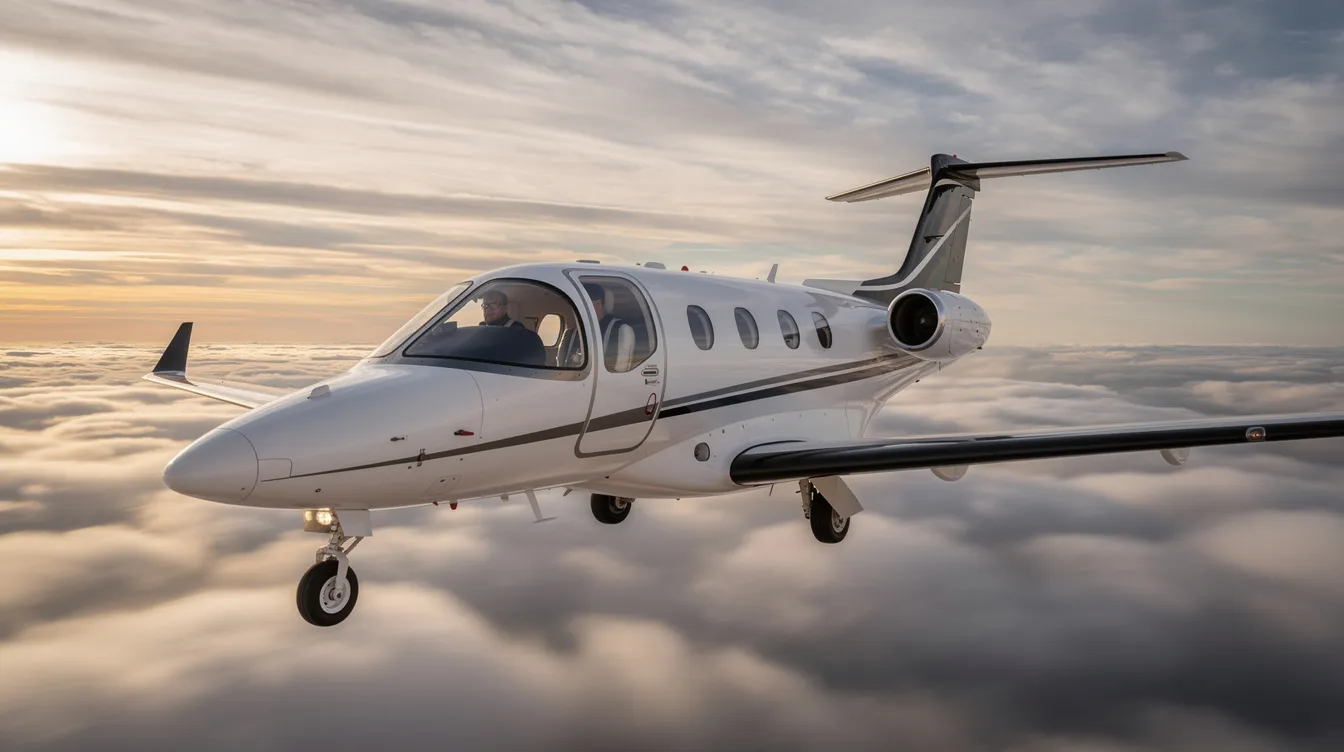
Cirrus Vision Jet: Guide for Private Travelers, Owners & Fractional Members
The Cirrus Vision Jet is a groundbreaking single-engine personal jet that redefines private aviation with its advanced safety features and lower operating costs. This guide provides insights into its performance, cabin comfort, and ownership options, making it ideal for owner-pilots and fractional members seeking efficient regional travel. Discover how the Vision Jet stands out in the market and whether it suits your aviation needs.
Continue readingAll

flyExclusive vs. Fractional Jet Ownership: How Today's Private Flyers Should Compare Their Options
When choosing between flyExclusive's Jet Club membership and BlackJet's fractional ownership, consider your travel needs and budget. flyExclusive offers a straightforward membership model with fixed rates and guaranteed availability, while BlackJet provides tailored fractional ownership solutions for more frequent flyers. Evaluating factors like cost, access, and tax benefits can help determine the best fit for your private flying experience.
Continue readingAll
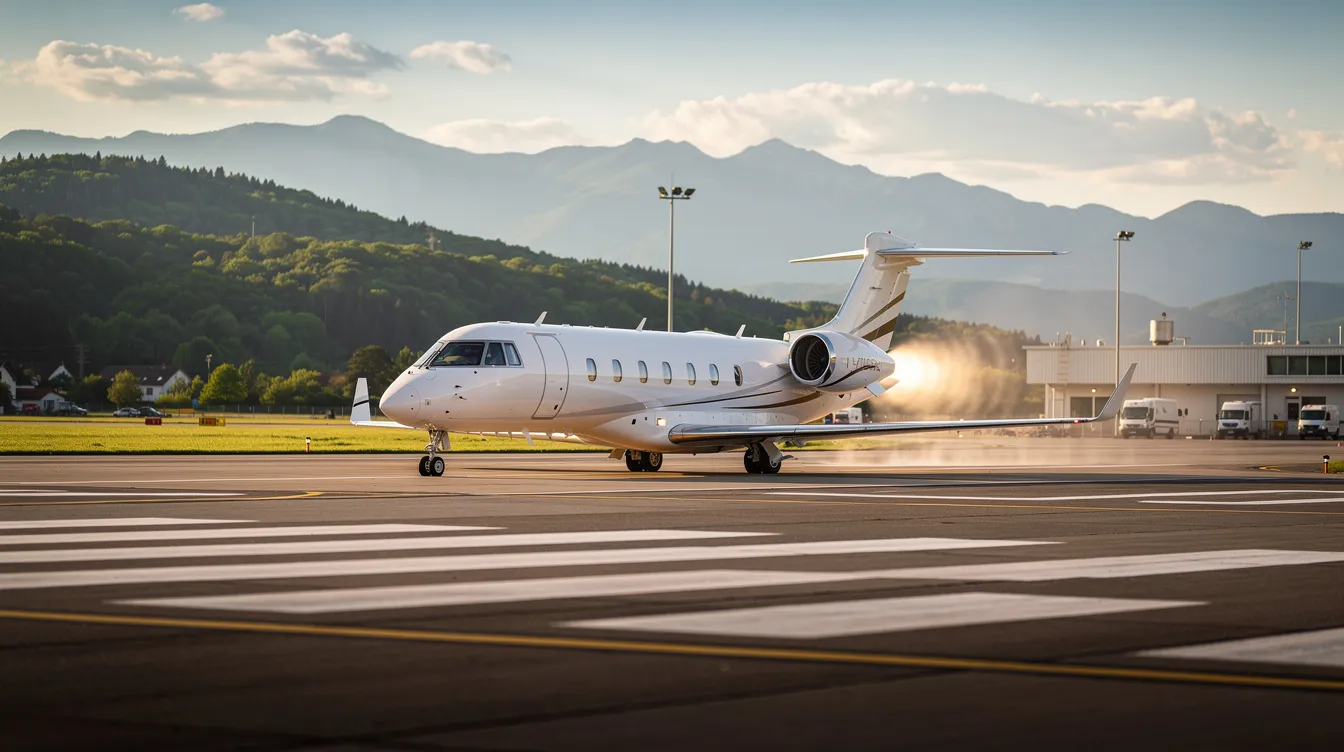
15 Million Dollar Private Jet: What You Really Get (and Smarter Ways to Access It)
A $15 million budget in private aviation typically secures either a new light jet or a high-quality pre-owned midsize jet. This guide explores the aircraft options, associated costs, and smarter alternatives like fractional ownership and jet card programs, helping buyers make informed decisions. Understanding the total ownership costs and evaluating usage patterns are crucial for maximizing investment in private aviation.
Continue readingAll

18 Passenger Private Jet: Models, Costs & Smarter Access with Fractional Ownership
Eighteen-passenger private jets provide exceptional space and range for large groups, ideal for corporations and families. While full ownership is costly, fractional ownership offers a practical alternative, ensuring access to top-tier jets without the complexities of asset management.
Continue readingAll
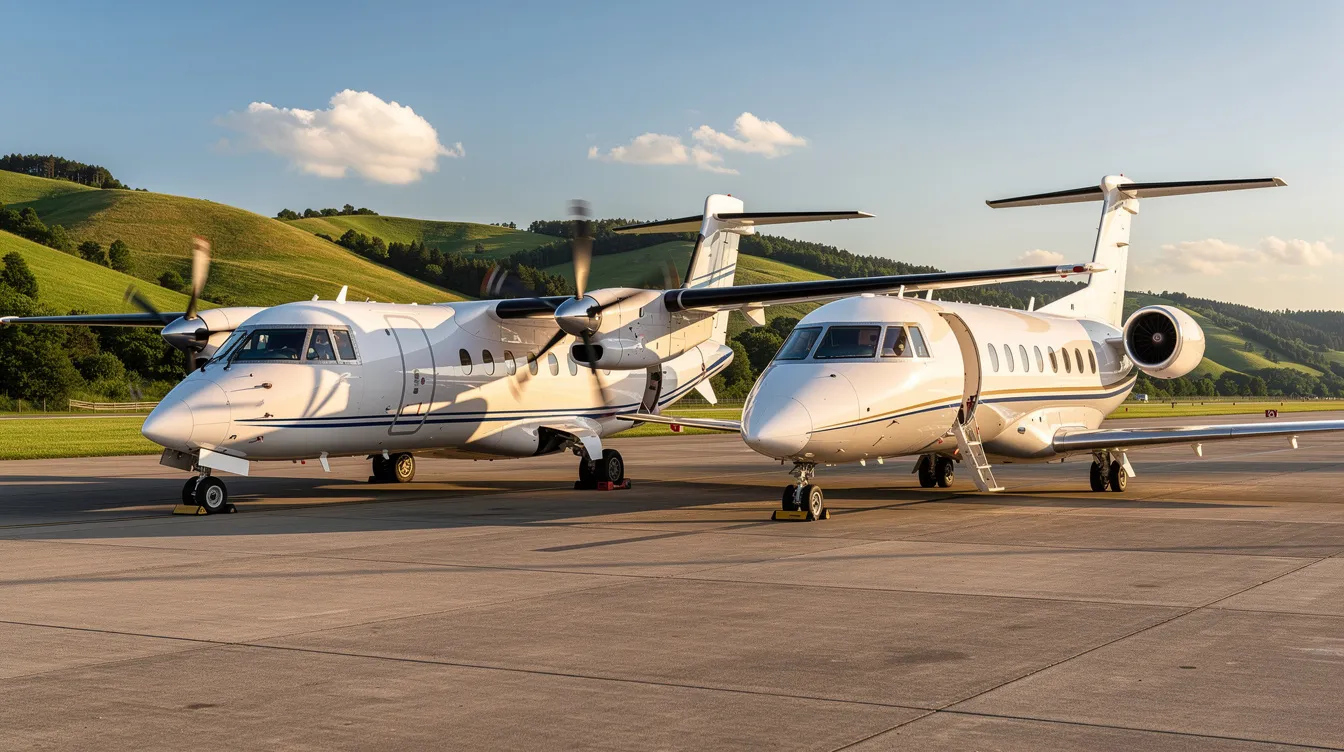
8 Passengers Airplane: Complete Guide to Aircraft, Costs & Fractional Ownership
An 8-passenger airplane offers a perfect blend of capacity and range for both business and family travel, allowing access to thousands of regional airports. This comprehensive guide explores aircraft types, costs, and fractional ownership options, helping you determine the best access model for your travel needs. With insights on operational efficiency and financial considerations, you can make an informed decision about private aviation.
Continue readingAll

16 Seat Private Jet: Models, Costs, and Fractional Ownership Options
A 16 seat private jet is the ultimate solution for groups traveling together, offering unmatched cabin space, flight range, and onboard amenities. Ideal for corporate teams and families, these jets provide direct access to remote destinations and save time compared to commercial flights. This guide explores leading models, costs, and fractional ownership options for 2025 and 2026.
Continue readingAll
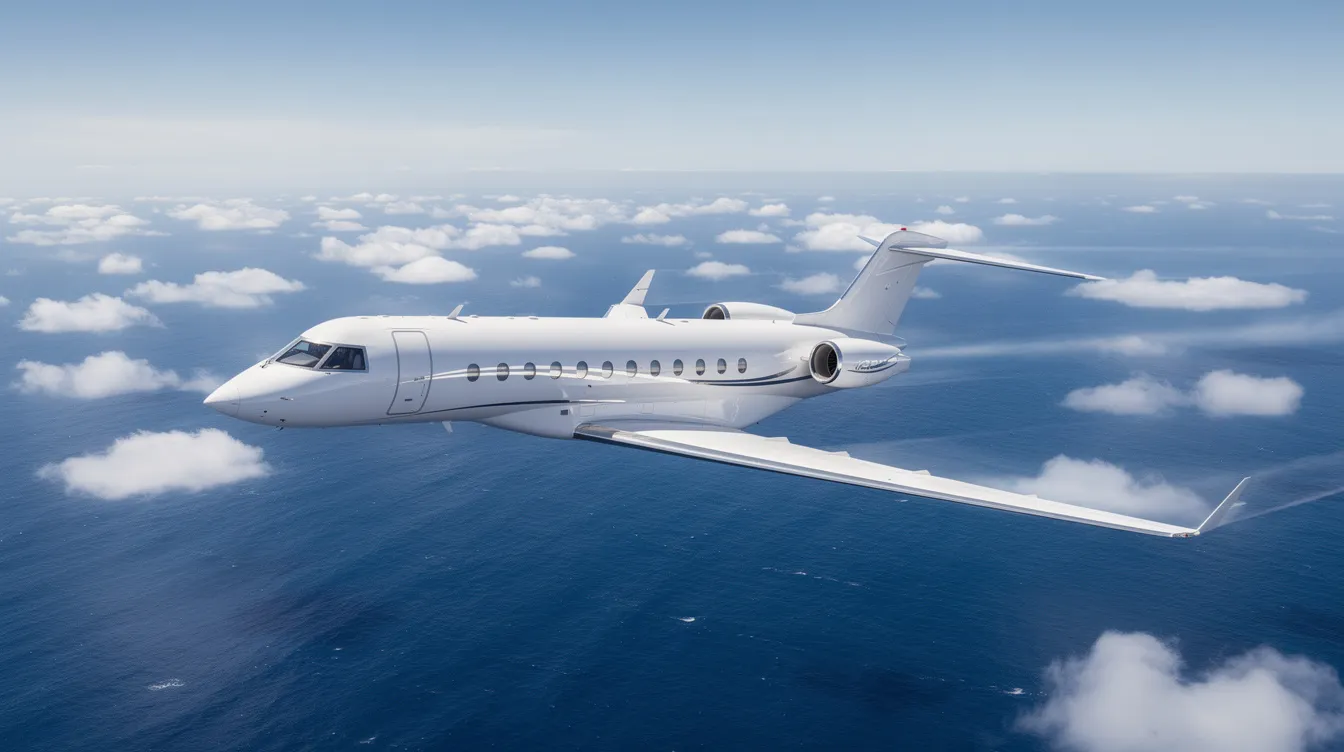
Intercontinental Private Jets: Long-Range Access with BlackJet Fractional Jet Ownership
Intercontinental private jets revolutionize global travel by offering nonstop flights between distant cities, eliminating layovers and enhancing productivity. BlackJet Fractional Jet Ownership provides access to these luxury jets without the financial burden of full ownership, making it ideal for frequent travelers. This guide explores the benefits, performance metrics, and cost considerations of intercontinental flights.
Continue readingAll
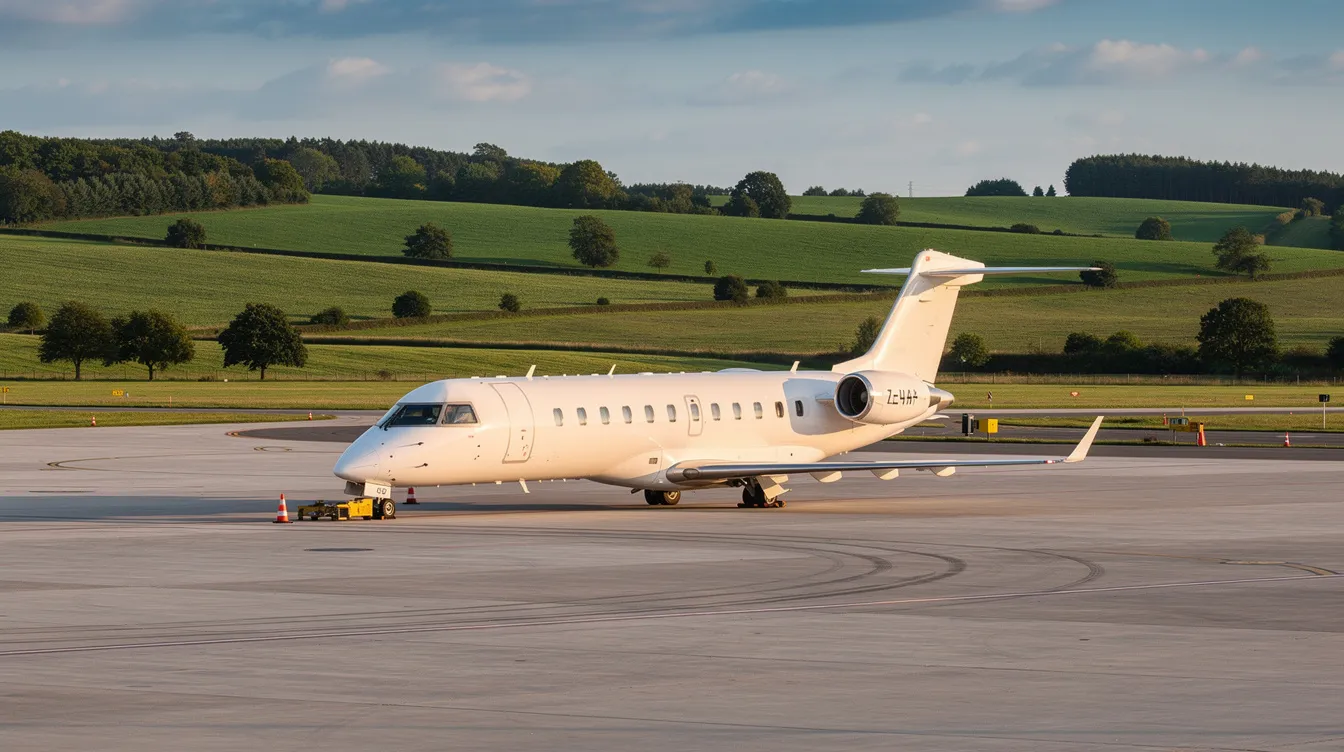
30 Passenger Plane: Complete Guide to Private Charter, Costs, and Fractional Access
A 30-passenger plane, typically a regional jet or turboprop, offers an economical solution for group travel, providing significant cost savings and logistical advantages. Ideal for corporate events, sports teams, and family gatherings, these aircraft streamline travel by accommodating larger groups on a single flight, enhancing privacy and schedule control. Understanding the benefits and options available can help organizations optimize their private aviation strategy.
Continue readingAll

Private Plane to New York: Fractional Ownership & Charter Guide
Flying private jet from Nice offers luxury travelers and executives seamless access to the French Riviera and major global hubs. With options like on-demand charters and fractional ownership, travelers can choose the best fit for their needs, ensuring convenience and efficiency. Nice Côte d'Azur Airport serves as a key gateway, providing direct flights and tailored services for a premium travel experience.
Continue readingAll


